World · United States of America, Islamic Republic of Iran
Trump threatens renewed US strikes on Iran if negotiations fail
The US president said further military action could follow November’s midterm elections as negotiations remained stalled. Reports also described plans for more US naval forces in the Middle East.
Trump warned Iran of severe consequences without an agreement and said renewed strikes after November’s elections were possible. Reports also describe potential US military reinforcements and new sanctions on Iranian transport sectors.
- US-Iranian negotiations in New York reportedly reached an impasse.
- Trump rejected Iran’s latest ceasefire proposal.
- Three aircraft carriers could be sent to the Middle East.
- Around 50,000 US troops are reportedly already in the region.
- New sanctions target Iranian rail and automotive businesses.
What's new
- Trump threatened severe consequences if Iran does not reach an agreement. [s3]
- He said renewed strikes could follow the November midterms. [s1, s2]
- The Pentagon reportedly plans to send more naval forces to the region. [s2]
- Washington announced sanctions on Iranian rail and automotive businesses. [s1]
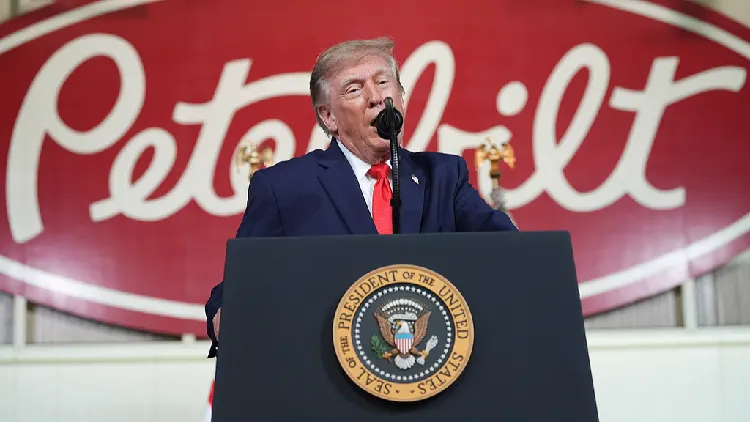
US President Donald Trump on October 2 threatened Iran with severe consequences if it failed to reach an agreement with Washington, while saying renewed large-scale strikes could follow the November midterm elections. His remarks came as US-Iranian negotiations in New York were reported to have reached an impasse.13
Negotiations stall
Trump rejected Iran’s latest ceasefire proposal as “not good enough”, according to CGTN. He said Tehran wanted an agreement but Washington was seeking broader terms. Middle East Eye separately reported that Trump expected the confrontation with Tehran to end soon, while warning of serious consequences if the two sides failed to reach a deal.13
CGTN reported that US officials met in New York with an Iranian team headed by Foreign Minister Abbas Araghchi during the 81st UN General Assembly. The outlet said the negotiations first remained deadlocked and then reached an impasse. The outlet also said Secretary of State Marco Rubio ordered the Iranian team to depart the United States at once.1
Asked about the prospect of renewed large-scale US attacks after the November elections, Trump replied: “Possible.” The Jerusalem Post also reported that the president was considering another round of strikes and had said an increase in bombing after the midterms was possible.12
Military deployments under consideration
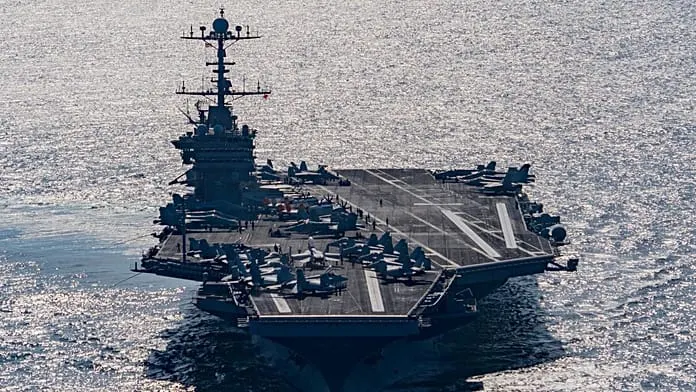
The US military is preparing for a possible deployment of thousands of additional naval personnel to the Middle East in the coming weeks, according to The Jerusalem Post. The newspaper reported that Pentagon plans involved three aircraft carriers and their escort ships, alongside 20,000 troops, as many as 150 fighter aircraft and numerous destroyers.2
Around 50,000 US troops were already deployed in the Middle East, the newspaper reported on October 2. It reported that the three-ship Makin Island Amphibious Ready Group, carrying California-based sailors and Marines, had been deployed to the area recently. The same report put the Boxer Amphibious Ready Group's personnel strength at over 4,000 Marines and sailors.2
The report said some recently deployed ships would probably replace vessels that had been operating in the area for months if Trump did not widen the conflict. It described the Iran war as entering its eighth month and said it had cost the United States billions of dollars, wounded more than 800 troops and killed at least 19. It also reported declining troop morale and additional maintenance requirements for ships.2
Sanctions target transport sectors
The Trump administration also announced sanctions against Iran’s rail and automotive industries, named Iranian companies and foreign suppliers connected to those sectors, CGTN reported. The measures included Iran Khodro Company and SAIPA Iranian Automobile Manufacturing Company, which the outlet said together account for more than 90 per cent of Iran’s domestic car market.1
Among the rail-sector entities targeted were the government-owned Islamic Republic of Iran Railway Company, which provides passenger and cargo transport, Raja Passenger Trains Company, and private freight firm Sherkat-E Rah Ahan-E Khamle-O-Naghle. CGTN reported that limits imposed by the United States on Iran's oil shipments via the Strait of Hormuz had made Tehran more dependent on road and rail routes to transport petroleum, fertiliser, chemicals and other products.1
The US Treasury Department said the sanctions formed part of “Operation Economic Outcast”, launched on August 24. CGTN said the department described the operation as an effort to curb Tehran's ability to finance the war, missile programmes, cyber operations and the Islamic Revolutionary Guard Corps.1
Why it matters
For readers in Europe, the reported US plans indicate that Washington is considering a substantial change in its military presence in the Middle East. The potential deployment includes aircraft carriers, fighter jets and thousands of personnel, while the conflict has already produced significant US casualties and costs, according to The Jerusalem Post.2
Videos
Related stories
background
same actors
Version history
- version 1 ·