World · United Kingdom, Russian Federation
UK prime minister says Russia interfered in 2016 Brexit referendum
Andy Burnham said he received confirmation after asking advisers at Downing Street about Moscow’s role in the vote. He gave no public account of the evidence or methods involved.
Andy Burnham says official advice confirmed Russian interference in the 2016 Brexit referendum, without publicly detailing the evidence. The comments revive scrutiny of earlier government handling of possible Russian influence.
- Burnham says Russia interfered in the 2016 Brexit vote.
- He says Downing Street advisers confirmed it.
- No evidence or methods were publicly disclosed.
- A 2020 committee criticised earlier investigations.
- Burnham linked the issue to Europe-wide influence concerns.
What's new
- Burnham said Russia interfered in the 2016 referendum.
- He said advisers gave him an affirmative answer at Downing Street.
- He linked the issue to alleged Russian influence efforts in Germany and France.
- He said Britain would examine its future relationship with Brussels.
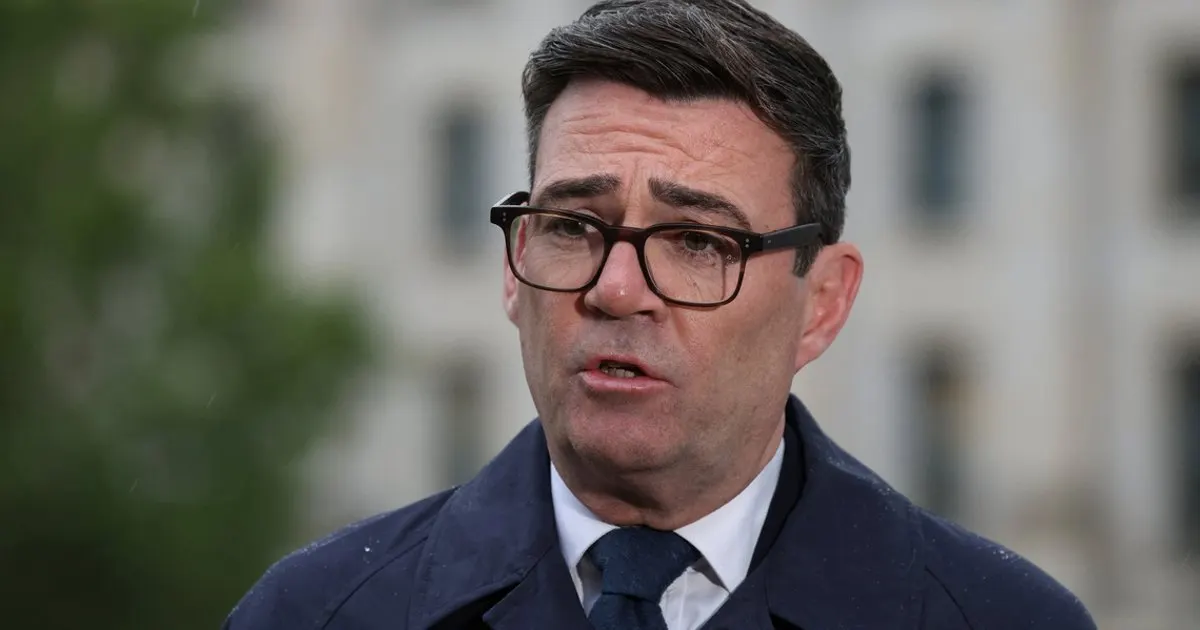
British Prime Minister Andy Burnham said on October 11 that Russia interfered in the United Kingdom’s 2016 referendum on leaving the European Union, saying he received an affirmative assessment after raising the question at Downing Street. Burnham did not publicly set out the evidence or describe how the alleged interference occurred.1246
Assessment at Downing Street
Burnham said that when he asked whether Moscow had been involved in the Brexit referendum, he was given what he described as “the clear answer that yes there was”. The assertion marks a departure from the position of previous Conservative governments, which had maintained there was no evidence of successful Russian interference in the vote, according to reporting by The Guardian.152
The prime minister did not identify the person or body that supplied the assessment, disclose its underlying evidence, or say whether the activity had affected the referendum result, according to The Guardian. Russia has previously denied meddling in the vote, according to The Straits Times.12
Earlier parliamentary scrutiny
In 2020, the parliamentary Intelligence and Security Committee faulted ministers and the intelligence services for insufficiently examining possible Russian involvement. According to the reporting, ministers never commissioned a comprehensive review of Moscow’s actions, even though there was evidence of efforts to sway UK politics through state-backed outlets and social-media accounts.136
The committee said the government had not produced a post-referendum assessment of Russian interference attempts. It also said efforts by hostile states to influence a democratic process were significant whether or not they achieved their intended effect, according to The Guardian.1
European political context
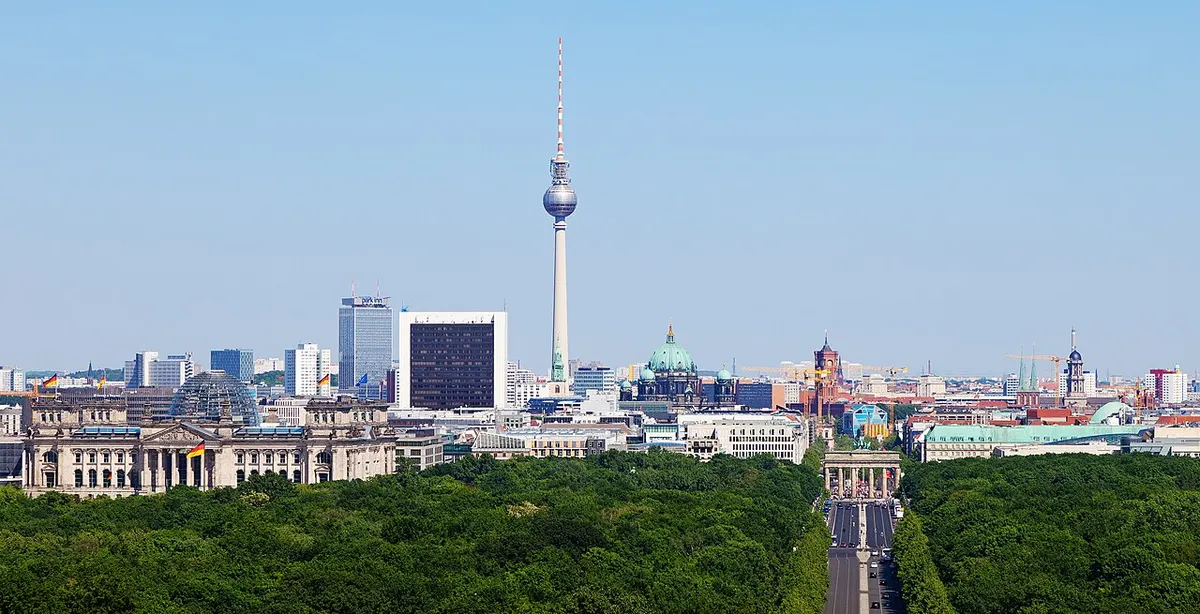
Burnham made the comments while discussing Russian influence in Europe, including during a visit to Berlin where he spoke with German Chancellor Friedrich Merz about Alternative für Deutschland. Burnham said: “There is certainly misinformation, disinformation, that is emanating from Russia into German politics.”136
He also said some political activity in Germany and France was instigated through Russia, and argued that Britain should be more open about efforts by hostile states to shape domestic politics. Separately, Burnham said there was evidence Russia had tried to interfere with the UK’s 2019 general election.1236
Britain’s relationship with the EU
The 2016 referendum concerned whether the United Kingdom should leave the European Union; voters backed leaving by 52% to 48%, according to The Straits Times. Burnham said his government would consider all options for Britain’s future relationship with Brussels and suggested he could campaign for renewed EU membership at the next general election.123
Why it matters
The prime minister’s statement places alleged Russian activity in the Brexit referendum alongside his warnings about influence operations in other European countries. For readers in Europe, it raises questions about the transparency of official assessments of foreign efforts to affect democratic politics and about how governments respond to them.123
Related stories
Version history
- version 1 ·