Health · Democratic Republic of the Congo
UN reports gains in Congo Ebola response as insecurity remains main obstacle
The UN says the Ebola response in the Democratic Republic of Congo has improved. Insecurity remains its biggest challenge as the outbreak reaches more remote areas.
The UN reports improvements in Congo's Ebola response, but says insecurity remains the main challenge. The outbreak continues to spread into remote areas.
- More than 11,000 confirmed cases have been recorded.
- Reports describe the outbreak as the second-worst on record.
- Eastern rural and difficult-to-reach areas are affected.
- Médecins Sans Frontières has criticised the response.
What's new
- The UN reports progress in the Ebola response.
- Insecurity remains the main obstacle, according to the UN.
- The outbreak has spread into more remote and dangerous areas of Congo.
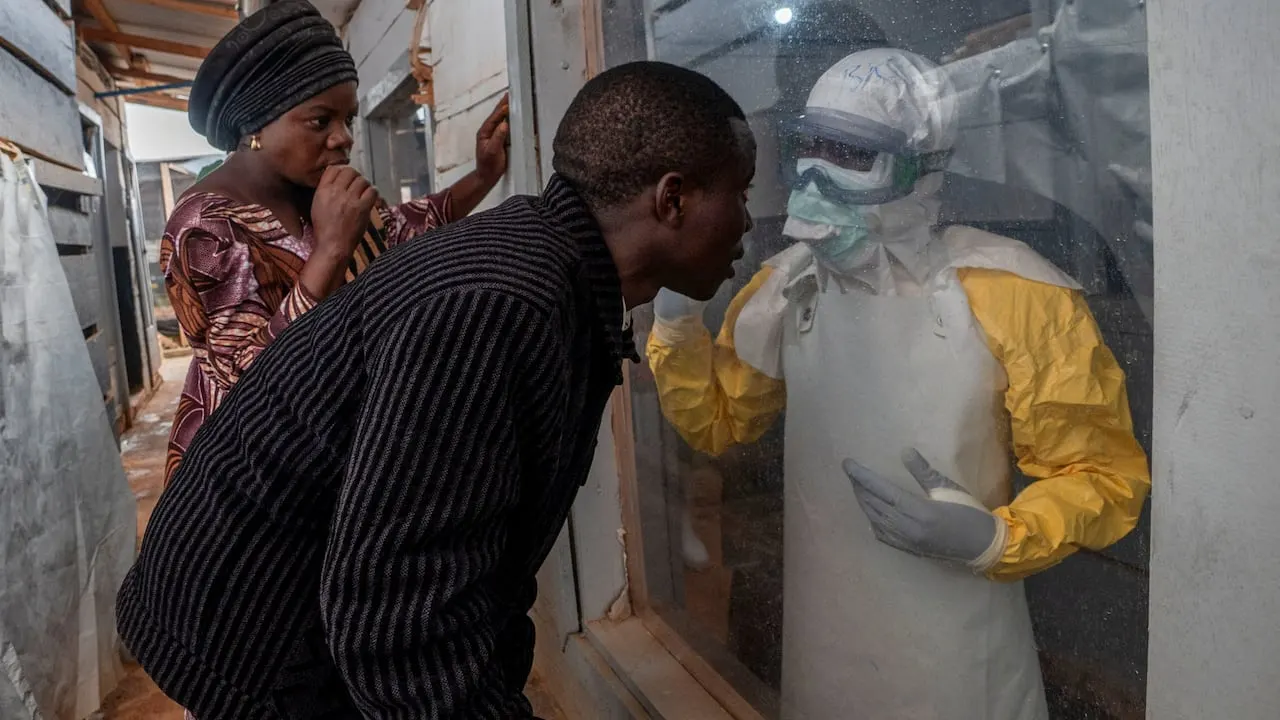
The United Nations says the response to Ebola in the Democratic Republic of Congo has improved, but insecurity remains its biggest challenge, according to reports published on November 13, 2026. The assessment comes as the outbreak spreads into rural areas in the east and other places that are difficult to reach.12
Progress in the response, continued spread
The outbreak has recorded more than 11,000 confirmed cases and is described in the reports as the second-worst Ebola outbreak on record. It began prompting global concern six months ago. The UN's assessment of improvements in the response therefore sits alongside reports of continued geographical spread, rather than an announcement that the outbreak has ended.12
Both The Straits Times and CBC put the same two elements at the centre of their coverage: the UN's account of progress and its identification of insecurity as the leading challenge. Neither framing presents the reported improvement as removing the difficulties facing the response in Congo.12
Insecurity and access
The places now affected include eastern rural communities and areas described as difficult to reach. The reports also describe the outbreak as having moved into more remote and dangerous parts of the country. Those descriptions give the geographical setting for the UN's warning about insecurity, without identifying a single locality as the focus of the challenge.12
The World Health Organization, the UN health agency, is involved in the response through its Health Emergencies Programme. Chikwe Ihekweazu is identified as the programme's head. The reported UN assessment concerns the response to the outbreak; it does not amount to a claim that the disease has stopped spreading into harder-to-reach places.12
A response also facing criticism
Médecins Sans Frontières, described in the reports as a French medical charity, has criticised the Ebola response. That criticism is a separate assessment from the UN's account of improvement.12
The central distinction is between progress in responding and the continuing extent of the outbreak. The UN reports the former while identifying insecurity as its principal obstacle. The case count and spread into remote areas describe the outbreak against which that response is taking place.12
Why it matters
For European readers, the story concerns an outbreak that has prompted global concern and a response involving the UN health agency. The French medical charity Médecins Sans Frontières has also criticised that response.12
Videos
Related stories
background
Version history
- version 1 ·