Business · United States of America, Russian Federation
Trump announces Russian diesel supplies for United States
The announced arrangement would bring Russian diesel to the United States and global markets as the administration seeks lower fuel prices. It has prompted criticism from Ukrainian and US political figures.
Listen to the story
Short version
Trump announced a Russian diesel supply agreement intended to lower US fuel prices, alongside a temporary sanctions licence for covered deliveries.
- Russia promised more than 300,000 tons immediately
- Further deliveries include November and later shipments
- Treasury licence runs for covered deliveries until April 2027
- Zelenskyy and US lawmakers criticised the agreement
- Payment and availability details remain unclear
What's new
- Trump announced diesel supply agreement with Russia
- Russia promised more than 300,000 tons immediately
- US Treasury issued a temporary diesel licence
- Zelenskyy and US lawmakers criticised the move
President Donald Trump announced on 9 October that Russia would supply diesel to the United States, presenting the agreement as a step toward reducing fuel prices. Russia said it would provide more than 300,000 tons immediately, followed by further deliveries, while the US Treasury Department issued a temporary licence affecting covered Russian diesel shipments.123
Supply plans and licence
Reports on the arrangement said Trump and Russian President Vladimir Putin agreed to an initial Russian diesel shipment exceeding 300,000 tons, with 500,000 tons due in November and 1 million tons to follow. Russia also agreed to provide a further 3 million tons subject to the condition of its refineries, according to the Guardian. Russian Deputy Prime Minister Alexander Novak said supplies to the United States could begin in October.12
The Treasury Department issued a temporary general licence under which US sanctions would not apply to certain Russian diesel deliveries until April 2027, according to NPR. The White House had not clarified who would pay for the diesel or when it would be available, NPR reported. The Washington Post reported that the volume covered by the deal was small relative to US demand.13
Putin said Russia was ready to supply oil and oil products to US and global markets. He said: "I am confident that this will have a positive impact on the entire global economy."1
Fuel prices and Russian production
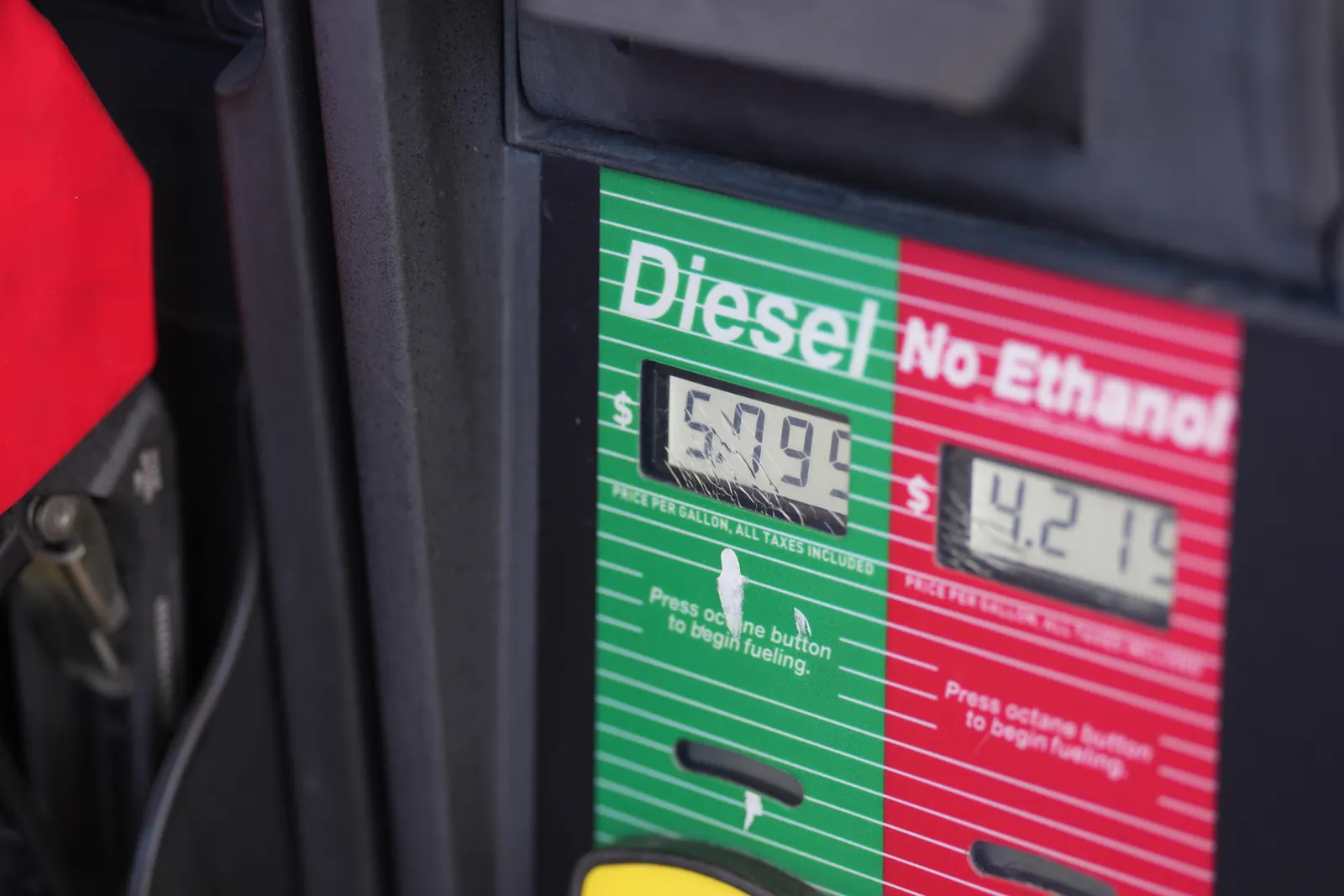
Trump said the agreement was needed to reduce US fuel prices. US diesel had reached $6.52 a gallon last month before falling to a national average of $6.23, according to NPR; the Guardian reported that gasoline averaged $4.20 a gallon. The Guardian linked rising fuel prices to the closure of the Strait of Hormuz.12
Russia had prohibited diesel exports in July amid domestic supply problems, NPR reported. The outlet also reported that repeated Ukrainian attacks on Russian oil refineries had contributed to those difficulties and cited the International Energy Agency as saying Russian diesel production had dropped by about 30%. Novak said Russia was "immediately starting to lift restrictions on diesel exports ahead of schedule."1
Sanctions and Ukrainian response
The agreement was announced after Trump signed a sweeping law concerning sanctions and tariffs related to Russia, according to NPR. The Guardian reported that the law authorised sanctions against Russian banks, officials and tankers, and directed steep tariffs on major importers of Russian energy. Democrats said the diesel arrangement conflicted with that law, while Republican congressman Don Bacon said it supported Putin's war economy.12
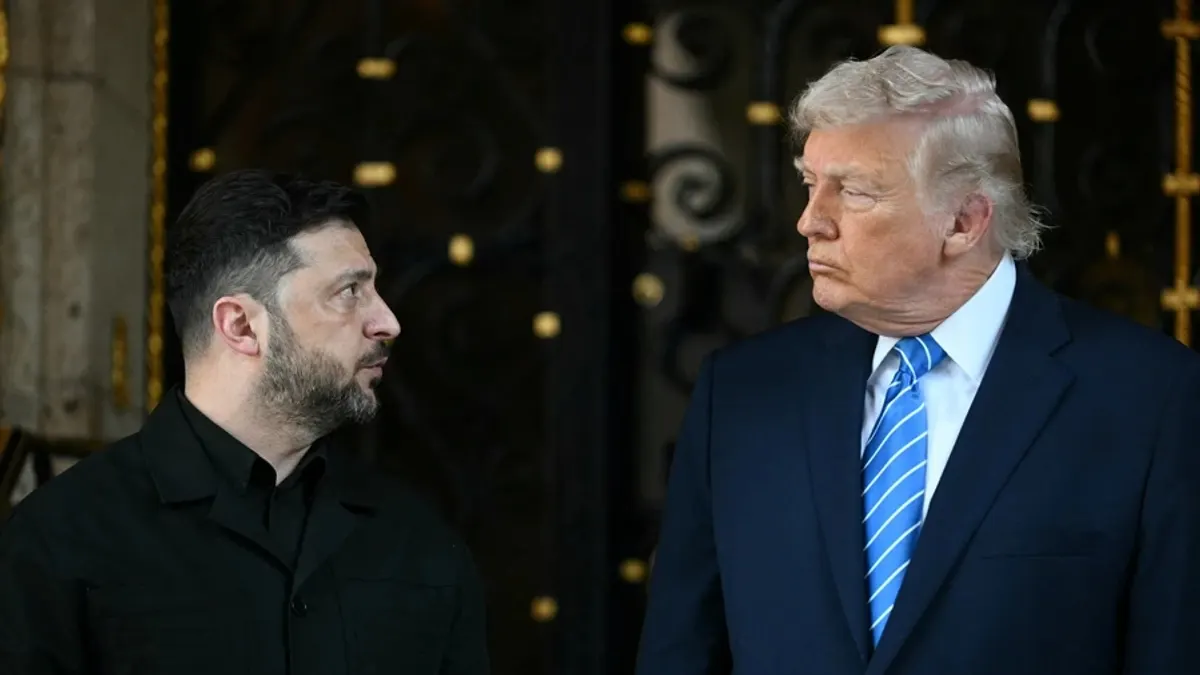
Ukrainian President Volodymyr Zelenskyy condemned the agreement, saying it was "a weak decision, unfortunately, a weak decision by strong partners." He rejected a request by Trump to stop attacks on Russian diesel refineries unless Russia accepted reciprocal de-escalation, according to the Guardian. The Washington Post reported that the deal placed the United States alongside Russia and against Ukraine's refinery campaign.123
Trump said: "Lower prices for Americans, especially our Great Farmers, Ranchers, and Truckers, is my Greatest Priority." He and Putin also discussed the Ukrainian crisis, Iran and bilateral relations, according to NPR.1
Why it matters
For readers in Europe, the agreement connects US fuel-price policy with the wider sanctions approach toward Russia and the war in Ukraine. Ukraine's president has said the arrangement could help Russia sustain the conflict, while US critics argue that it conflicts with recently enacted sanctions measures. The deal also concerns global diesel availability after Russia's production and export restrictions.12
Videos
Related stories
background
background
background
Version history
- version 1 ·