World · United States of America, Iraq, Islamic Republic of Iran
US Completes Two-Decade Military Withdrawal From Iraq
American forces left their last bases by September 30, 2026, closing a military presence that began with the 2003 invasion, amid warnings that Iran and Islamic State remnants could exploit the departure.
Listen to the story
Short version
US forces finished withdrawing from Iraq around September 29-30, 2026, ending a two-decade military presence, with warnings that Iran and Islamic State could gain from the departure.
- US completed Iraq withdrawal by September 30, 2026
- Operation Inherent Resolve against ISIS formally ended
- Pro-Iranian militias called the pullout a historic victory
- Islamic State sleeper-cell movement and a plotted attack were reported
What's new
- US forces completed withdrawal from Iraq's last bases around September 29-30, 2026
- Operation Inherent Resolve, the anti-ISIS military mission, formally ended
- Iraqi forces reported a suspected ISIS cell preparing suicide attacks tied to the pullout
- Pro-Iranian militia commanders declared the withdrawal a victory for Iraqi resistance
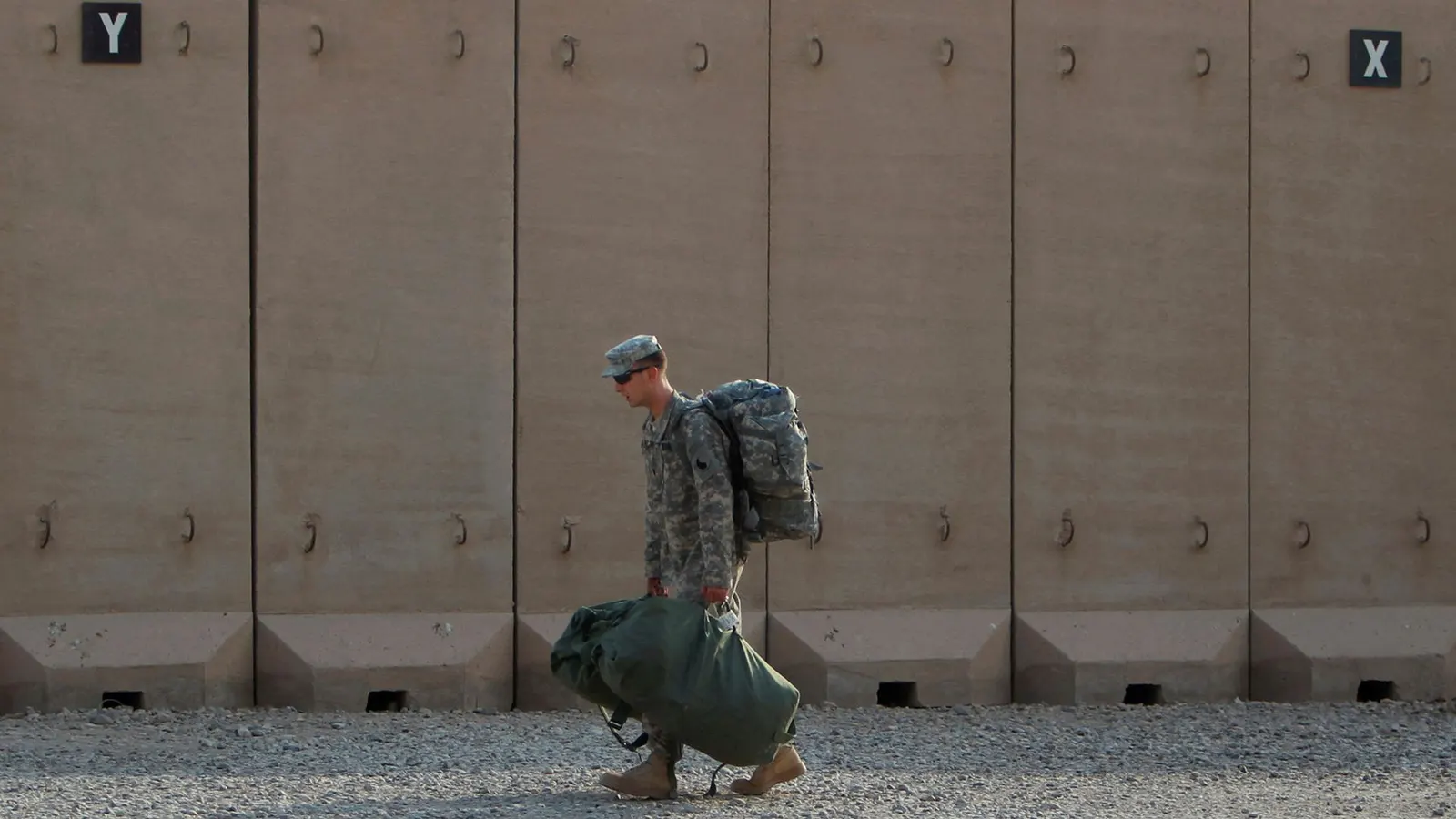
United States forces completed their withdrawal from Iraq by September 30, 2026, ending a military presence that began with the 2003 invasion of the country, as Iraqi officials, Iranian figures and security analysts warned the departure could hand greater influence to Iran and give Islamic State sleeper cells room to regroup.1234
The pullout
Iraqi officials said the US military withdrawal from the country was complete, with forces leaving their last bases around September 28-29, 2026, and the departure formalised by September 30 under a 2024 agreement reached during the final year of Joe Biden's presidency and carried out under Donald Trump.854
The move brought the official end of Operation Inherent Resolve, the military campaign against Islamic State, and US troop numbers in Iraq had peaked at approximately 2,500 personnel before the drawdown, according to SyriacPress. The Atlantic Council also reported that September 30 was the date Ali al-Zaidi had set for militias to lay down arms, yet three factions—Kata'ib Hizbollah, Harakat al-Nujaba and Kata'ib Sayyid al-Shuhada—declined to comply.18
An opening for Iran
Jasim al-Bahadli, an Iraqi analyst focused on Shi'ite armed groups, argued that Tehran is positioned to gain strategically now that coalition forces have left, an assessment shared by multiple outlets that portrayed Iraq as still unprepared to independently manage its own security. Pro-Iranian militia groups are expected to seek greater sway over security and political decisions.2394
Commander Abu Mojtaba al-Yasiri, of the Iran-backed umbrella group Islamic Resistance in Iraq, described the withdrawal as a "historic victory for Iraqi resistance groups," while separately saying "Iraq has proven that its sovereignty cannot be secured by foreign forces, but by the resistance and the will of its people." In Iran, Amir Hayat Moqaddam, deputy chairman of the parliament's National Security Commission, said "lasting security would prevail in Iraq once American forces left the country." Al-Bahadli predicted that Iran-aligned militias would frame the pullout as a win for their cause.54
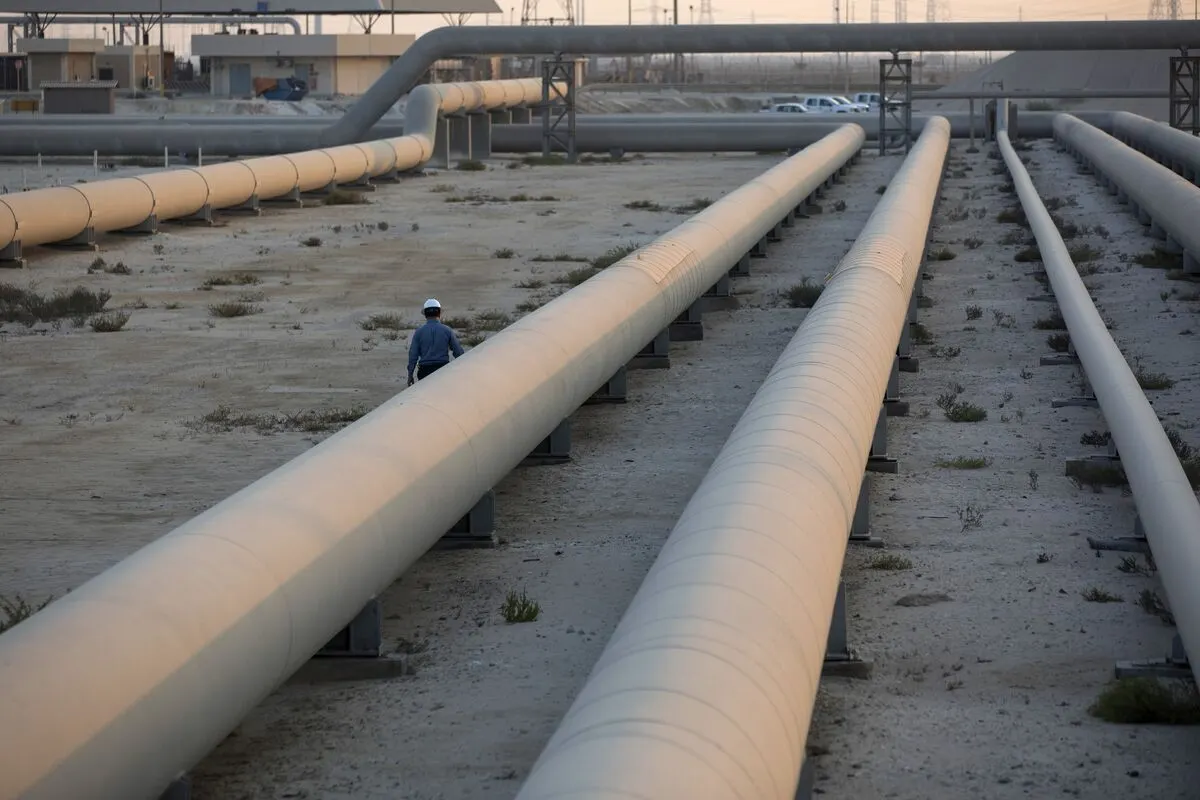
Iran-backed militia groups had already fired on US bases in the run-up to the withdrawal and attacked a major Saudi oil pipeline this month, according to StratNews Global, while the same groups are reported to have carried out attacks on neighbouring countries at Tehran's direction.423
Fears of an Islamic State comeback
Islamic State at its height occupied a third of Iraq, and officials cited by several outlets warned that the loss of US intelligence, logistics and drone capability could let the group regroup. Kurdish commander Sirwan Barzani said, "For more than two weeks, we have noticed movement by Islamic State sleeper cells, after it was announced that there will be an official withdrawal," attributing the increased activity directly to the withdrawal announcement.2354
Kirkuk's senior security official Khalid al-Bayati said "Islamic State is seeking to send a message that the group is still powerful and capable of launching bloody attacks." Separately, Iraqi security forces reported discovering a cell allegedly plotting suicide bombings timed to the withdrawal, and SyriacPress noted that ISIS elements continue operating even after American troops left, citing also a mortar strike near a monitored location that injured a civilian woman.298
The human cost
American military deaths during the Iraq campaign, known as Operation Iraqi Freedom, were roughly double the toll from the Afghanistan war, and seven of the 18 US troops killed this year in the conflict with Iran died in Iraq. Straits Times and South China Morning Post reported that 4,500 Americans died over more than two decades of war in Iraq, a figure not corroborated by StratNews Global or Modern Diplomacy; Sky News separately cited the same 4,500 figure as a single-source report.237
Assessing the aftermath
Atlantic Council analyst Victoria J. Taylor said the withdrawal "closes a chapter of US military presence in Iraq that began with the 2003 invasion that toppled Saddam Hussein." Fellow analyst Alina L. Romanowski said a US departure "will be seen by many in Iraq and across the region as another example of the United States abandoning its partners," while Nate Swanson said the September 30 deadline, once significant for US-Iran policy, "now has little bearing on the relationship or the war itself."1
Devorah Margolin said ISIS "may no longer threaten Iraq's survival, but continued US-Iraqi cooperation and vigilance are essential to preventing hard-won gains from eroding." Omar Al-Nidawi warned that sustained disengagement "risks allowing Iraq to drift further into Iran's orbit, opening the door to renewed instability." Yerevan Saeed added that Kurdish communities in Iraq and Syria are "discovering that survival now depends on painful compromises with the very central powers they spent decades trying to escape."1
Why it matters
The withdrawal marks the close of a two-decade US military commitment that shaped Iraq's post-2003 order and the wider fight against Islamic State. For European readers, renewed instability in Iraq, a resurgent ISIS or expanded Iranian influence carry implications for regional energy infrastructure, already targeted this month, and for broader Middle East security.24
Videos
Related stories
same actors
same actors
same actors
Version history
- version 1 ·