World · United Kingdom
Burnham considers slavery apology but rejects financial reparations
Britain’s prime minister is willing to consider a state apology over slavery while rejecting compensation. His proposals include dialogue and debt restructuring ahead of the Commonwealth summit.
Burnham is open to a formal slavery apology but rejects financial reparations. He is also proposing debt restructuring for poorer Commonwealth countries.
- An apology is under consideration, not announced.
- Burnham continues to reject financial reparations.
- Debt proposals would extend repayment periods and improve rates, The Straits Times reports.
- Browne welcomed the proposals while maintaining the Caribbean position on reparatory justice.
What's new
- Burnham has signalled willingness to consider a formal apology for Britain’s role in slavery.
- He continues to reject financial reparations.
- His plan would revise debt terms for less affluent Commonwealth nations.
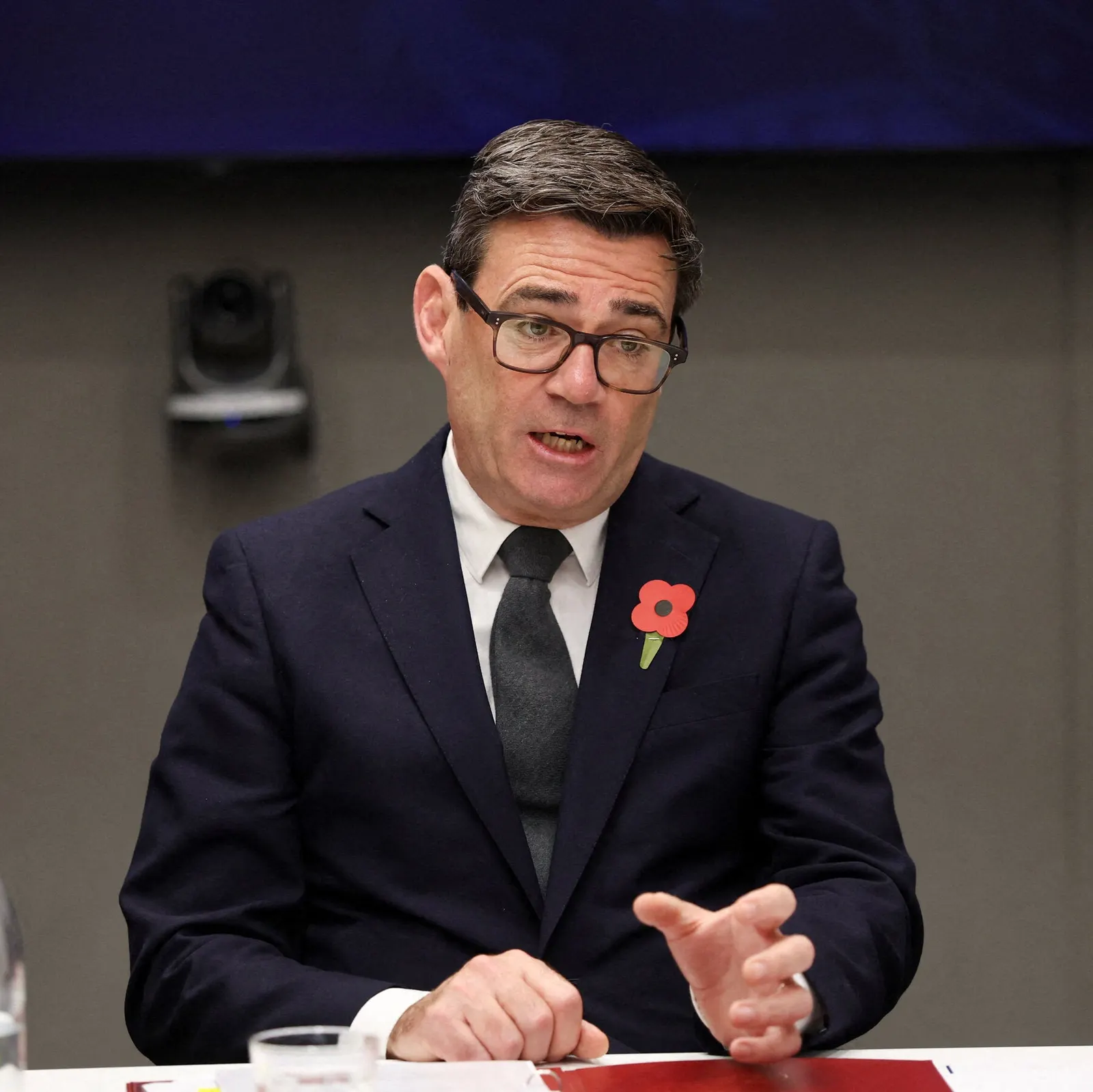
British Prime Minister Andy Burnham has indicated he would consider a formal apology for Britain’s role in the transatlantic slave trade, while rejecting financial reparations, in comments reported on 31 October ahead of the Commonwealth summit in Antigua and Barbuda.12
Apology and compensation treated separately
Burnham’s willingness to discuss an apology changes Britain’s longstanding position, as reported by the Associated Press and The New York Times. According to the BBC, the British government has neither issued a formal apology for slavery nor provided reparations. His comments express openness to an apology rather than announce one.134
Burnham said Commonwealth countries had spent years seeking a candid discussion about the past. The Straits Times reported that Britain was proposing organised talks with people affected by the transatlantic slave trade, with consideration of a state apology included in that process.12
But Burnham rejected financial reparations, arguing that people in Britain today should not bear liability for historical wrongs in which they had no personal involvement. Chancellor John Healey also drew a distinction between the two issues, saying an apology would not establish financial liability for events centuries earlier, the BBC reported.12
Debt proposals and Caribbean responses
Burnham is instead proposing debt restructuring for poorer Commonwealth countries. According to The Straits Times, the initiative would seek to give more vulnerable countries longer repayment periods and improved rates. The Commonwealth Heads of Government Meeting begins on 1 November in Antigua, the BBC reported.123
Caribbean leaders are expected to raise reparations demands at the meeting, according to The Straits Times. The newspaper reported that their demands have often encompassed debt relief, development funding, education, healthcare and measures to strengthen resilience to climate change.2
Antigua and Barbuda’s prime minister, Gaston Browne, welcomed Burnham’s remarks and proposals for practical support, The Straits Times reported. But he said: “The Caribbean's longstanding position on reparatory justice remains unchanged.” Barbados Prime Minister Mia Mottley also welcomed the statement while maintaining her pursuit of reparatory justice, according to the BBC.12
Calls for a formal commitment
The All-Party Parliamentary Group for Afrikan Reparations welcomed Burnham’s statement, the BBC reported. Its chairwoman, Bell Ribeiro-Addy, nevertheless said the government had not delivered a formal state apology, which she noted would carry no financial cost. Repair Campaign founder Denis O’Brien called for a full apology as an initial step towards reparatory justice.1
The BBC also reported differing responses from opposition leaders. Conservative leader Kemi Badenoch opposed making today’s taxpayers financially responsible for events before they were born. Liberal Democrat leader Ed Davey supported an apology, saying Britain had a duty to address the issue.1
Burnham’s position follows earlier refusals. According to the BBC’s account, David Cameron rejected reparations in 2015, Rishi Sunak rejected a request for both an apology and reparations in 2023, and Keir Starmer ruled out compensation in 2024.1
Why it matters
For European readers, the proposals concern how Britain addresses its historical responsibility while defining the financial obligations of its present-day citizens. The discussion also involves debt arrangements for poorer Commonwealth countries, alongside Caribbean demands that extend beyond a formal apology.123
Videos
Related stories
same actors
Version history
- version 1 ·