Climate · United States of America
Hawaii’s 550-year-old Hōlei Sea Arch collapses into Pacific
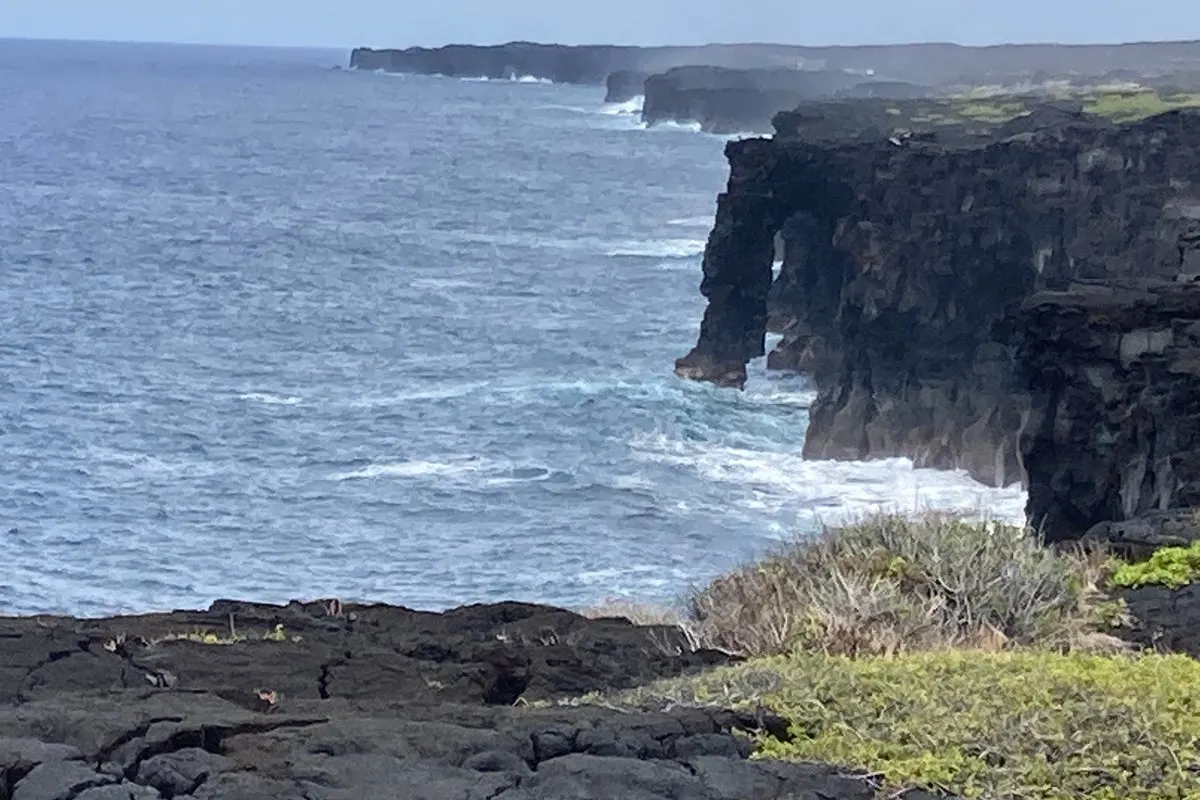
The lava-rock formation disappeared from Hawaiʻi Volcanoes National Park between September 23 and 27. Its exact time of collapse remains unknown.
Hawaii’s centuries-old Hōlei Sea Arch disappeared into the Pacific between September 23 and 27. The precise timing and immediate cause remain undetermined.
- The National Park Service confirmed the collapse.
- The lava-rock arch was about 550 years old.
- It may have fallen during the Tropical Storm Nolo closure.
- Nearby cliffs had shown instability for years.
- Visitors have been warned to avoid the cliff edges.
What's new
- The National Park Service has confirmed the sea arch’s collapse.
- The arch was standing on September 23 but gone by September 27.
- Officials have warned visitors to avoid the unstable coastal cliffs.
The 550-year-old Hōlei Sea Arch collapsed into the Pacific Ocean at Hawaiʻi Volcanoes National Park on Hawaii’s Big Island between September 23 and 27, 2026, the National Park Service confirmed. The precise time of the collapse is not known.1234
Disappearance during a storm closure
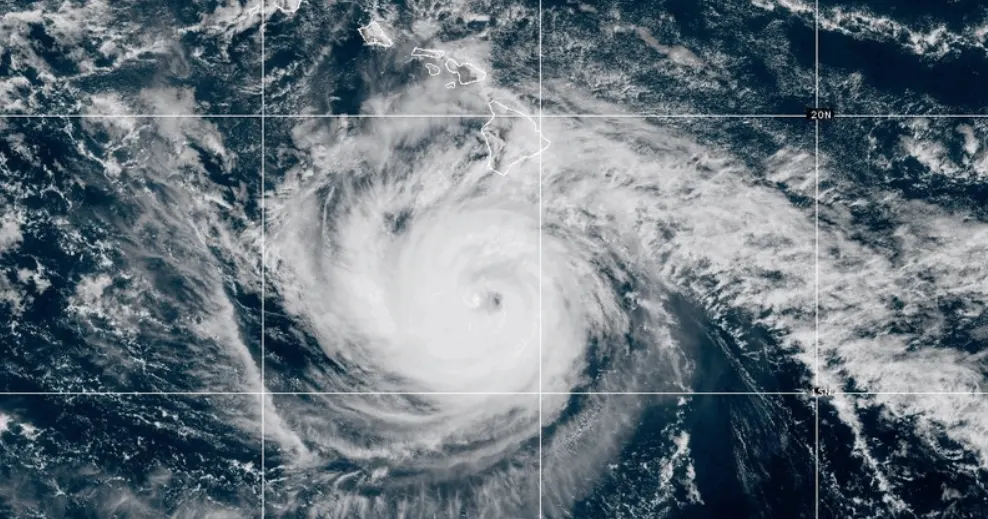
The formation was still standing on September 23 and had disappeared by the night of September 27. The arch is thought to have collapsed during a closure linked to Tropical Storm Nolo, though the reports do not show that the storm itself caused it. Nolo passed about 145 miles, or 233km, south of the Big Island on September 26, according to The Straits Times, bringing heavy rain and powerful wind gusts.1234
The Guardian reported that the collapse followed a period of rough storms and said Hawaii had experienced an unusually high number of severe storms during the year. It also reported above-average Pacific storm activity during the peak of hurricane season and said experts considered the pattern consistent with El Niño years. Those broader weather claims were not independently confirmed in the other accounts.1
A coastline already showing instability
The cliffs surrounding the arch had displayed signs of instability for years. Earthquakes associated with the 2018 Kīlauea eruption and summit collapse damaged nearby cliffs. In January 2020, new cracks and further instability prompted the park to shut the original viewing area; another viewing point opened farther from the cliff edge a few months later.12
Later in 2020, waves from Tropical Storm Darby broke rock from the lower part of the arch. Before the final collapse, the formation stood roughly 90 feet, or 27.4 metres, high, according to individual reports from The Guardian, The Straits Times and The Independent. Park officials have urged people to remain clear of the unstable coastal edges, warning that entering the closed area creates falling and drowning risks for visitors and first responders.1234
A temporary lava-rock formation
The arch took its name from hōlei, a small plant endemic to Hawaii and belonging to the milkweed family. The Straits Times reported that the opening had been cut into a cliff formed by a lava flow about 550 years ago. The Guardian, citing the US Geological Survey, described the structure as having developed as rock was removed along cracks and weaker sections of the ancient lava.134
The park had previously described the arch as a short-lived geological feature that would ultimately fall into the ocean, with other formations emerging as the cliff gradually moved inland. Its disappearance was described by the National Park Service as the latest change to the park’s remote coastline. Thousands of people responded to the service’s social-media announcement, according to the BBC, sharing photographs and memories of visits.234
Why it matters
The collapse records another physical change along a coastline visited for its lava-rock formations and comes after years of restricted access because of unstable cliffs. European readers may also recall the loss of Lover’s Arch in Puglia, Italy, which The Straits Times reported collapsed after a storm in February.234
Videos
Related stories
Version history
- version 1 ·