El Niño Drives Record Pacific Storms While Atlantic Stays Hurricane-Free
A powerful El Niño has fueled an unusually busy Pacific hurricane season while the Atlantic has gone without a single hurricane for the first time in more than a century, meteorologists say.
A record-strong El Niño has fueled an extremely active Pacific hurricane season while leaving the Atlantic without a single hurricane, the first such gap in over a century.
- Pacific: 18 hurricanes, 41 named storms recorded this season
- Atlantic: zero hurricanes, seven named storms, first in 100+ years
- Hurricane Polo intensified to Category 5 in under 24 hours
- Hawaii hit by three hurricanes in one season, a 70-year first
- El Niño forecast to peak late 2026, persist into 2027
What's new
- Atlantic reaches late September 2026 with zero hurricanes, a first in over 100 years
- Pacific has recorded 18 hurricanes and 41 named storms this season
- Hurricane Polo intensified from tropical storm to Category 5 in under 24 hours
- Hawaii faces its third threatening hurricane of the year, Nolo, after Lala and Lowell
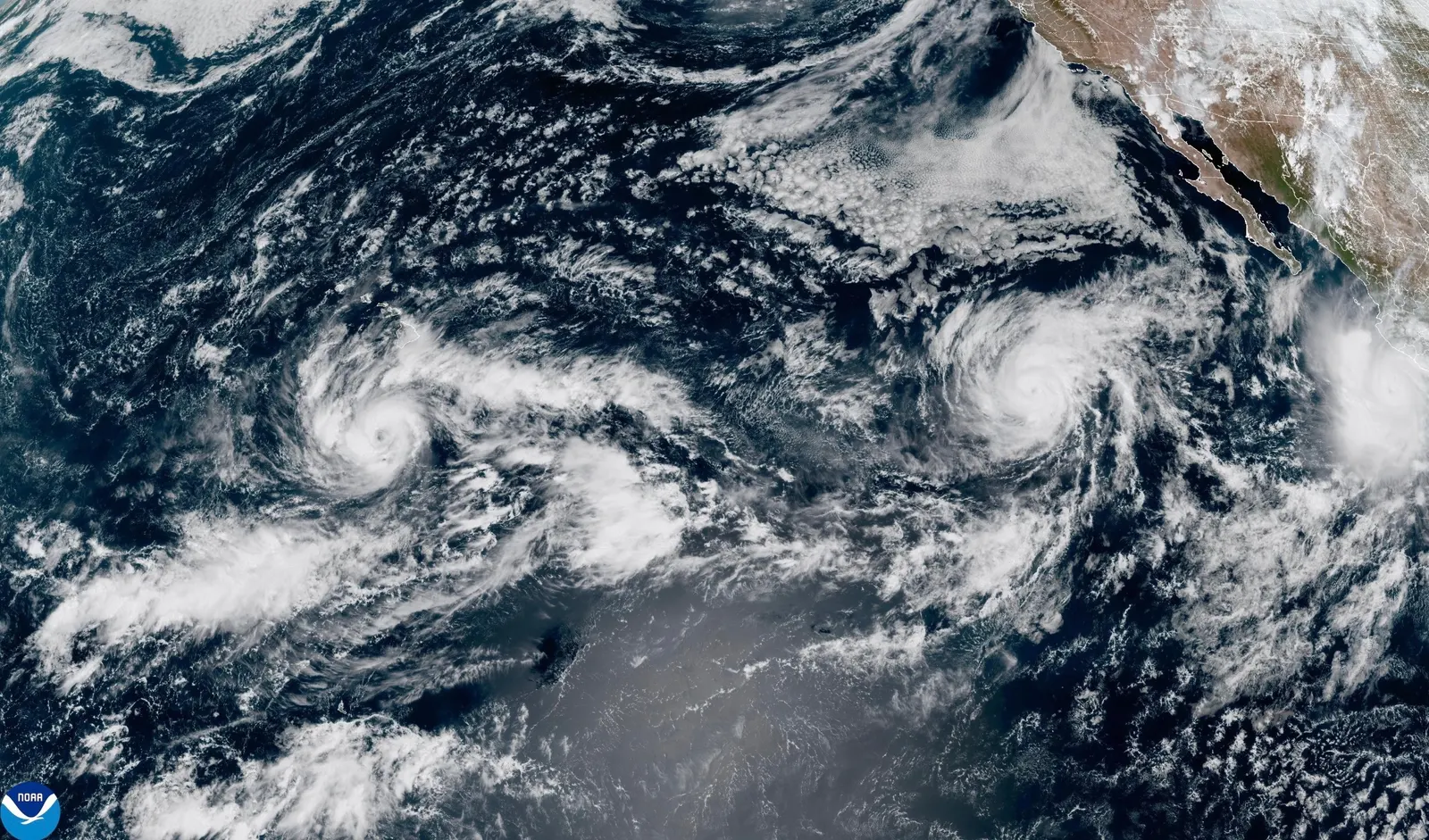
An unusually intense El Niño has produced a record-busy hurricane season in the Pacific Ocean while leaving the Atlantic without a single hurricane as of September 25, 2026, the first time in more than a century that the basin has gone this long without one, according to meteorologists cited by NPR and Georgia Public Broadcasting.1567
A crowded Pacific season
The Pacific Ocean has recorded 18 hurricanes and 41 named storms so far this year, figures described as unusually high for this point in the season, according to NPR and Georgia Public Broadcasting.15
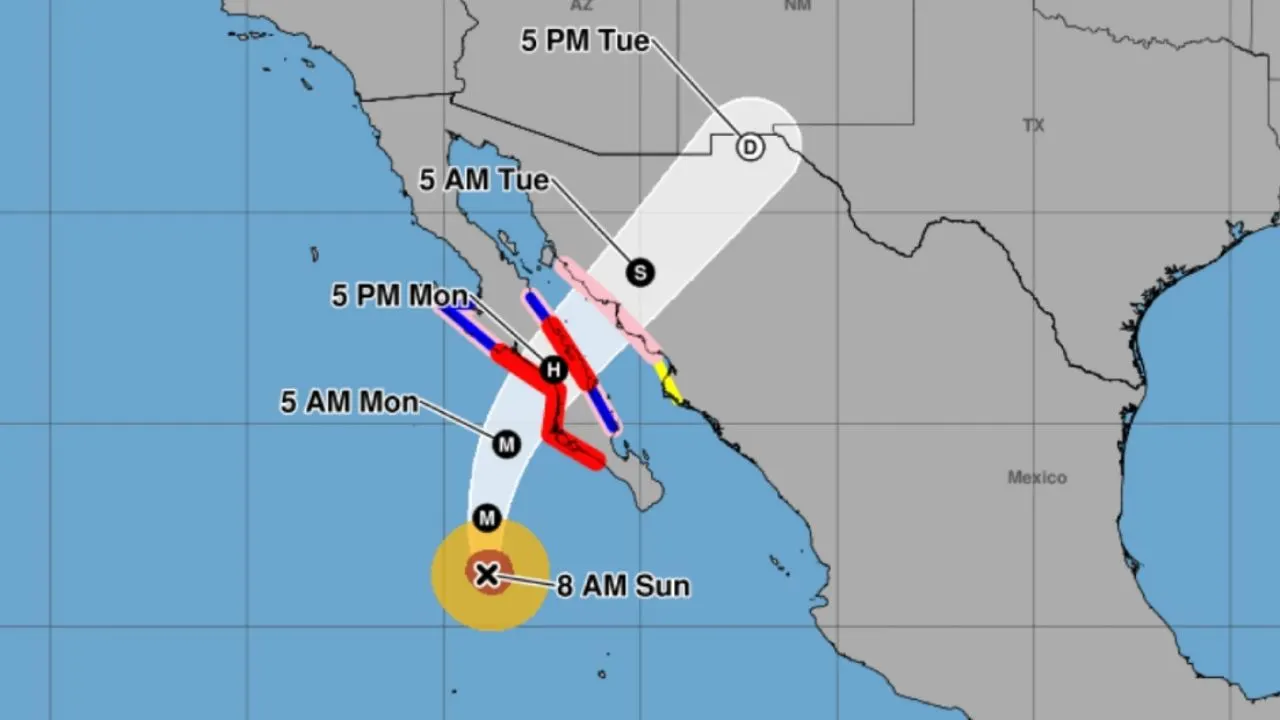
In under a day, Hurricane Polo escalated from tropical storm status to a Category 5 storm, and forecasters anticipate it will strike Baja California this week packing sustained winds of about 120 mph, according to cbs12.com.154
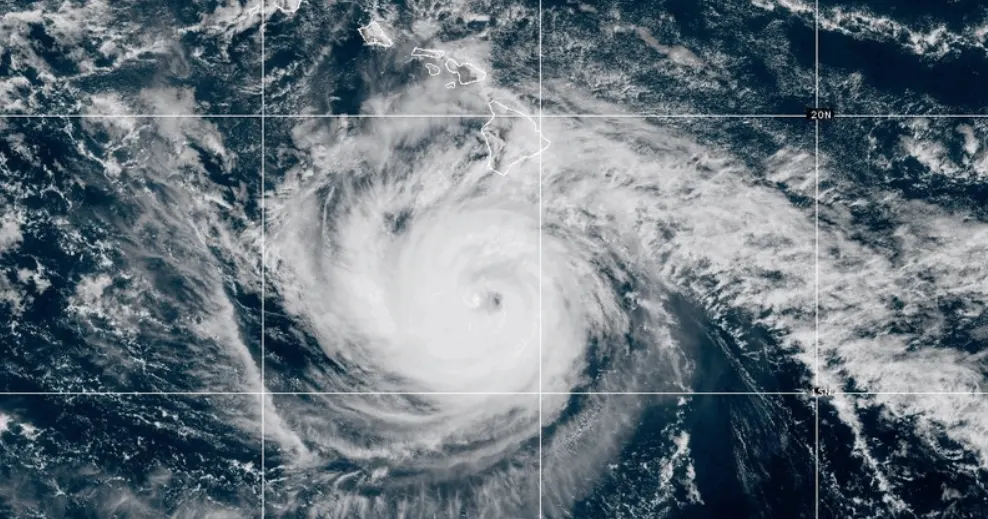
Hawaii has faced three hurricanes this year. Hurricane Lala left destruction and two fatalities on the Big Island, Hurricane Lowell escalated to Category 5 and battered much of Kauaʻi, and Hurricane Nolo delivered strong winds, heavy rain and towering waves across the islands—together marking the first time in over 70 years that three hurricanes have threatened Hawaii within a single season, according to Big Island Now.36
Rain from Nolo's outer bands flooded parts of Kaʻū, and high surf struck the east side of the island, while residents in Nāʻālehu began cleanup after Lala. Big Island Now also reported that restoration work on the Kaʻamola ahupuaʻa, including reforestation and invasive-species removal, had earlier helped prevent runoff from flooding a highway and entering the Keawanui fishpond during storms.3
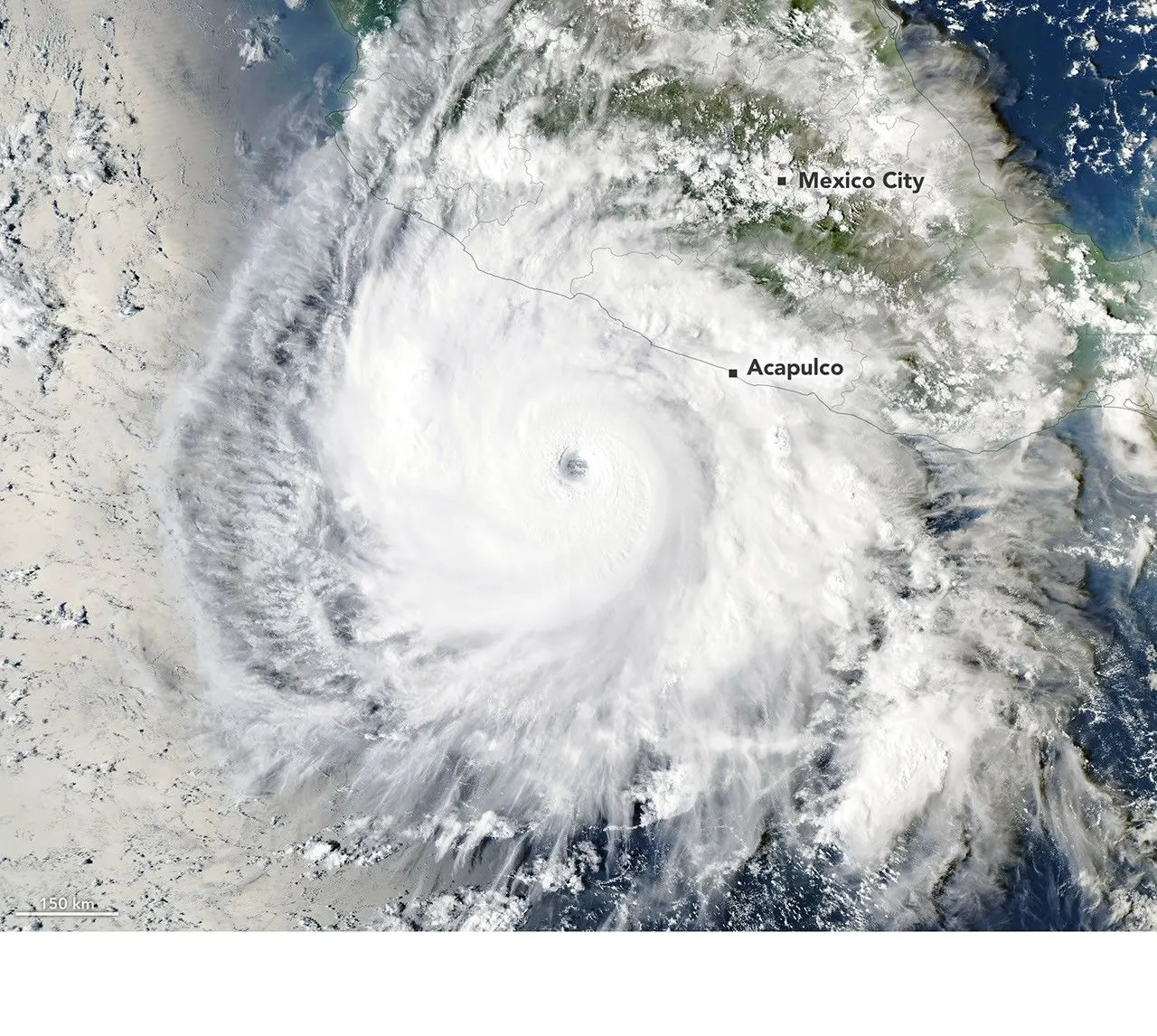
A tropical depression southwest of Acapulco, with 35 mph winds, was forecast to strengthen into Hurricane Rachel, according to cbs12.com.4
An unusually quiet Atlantic
The Atlantic has produced only seven named storms this season, all weaker tropical storms, with no hurricanes recorded, according to NPR and Georgia Public Broadcasting. CBC reported that most of these storms lasted only a couple of days.152
Tropical Storm Fay came closest to reaching hurricane strength, with winds of 112 km/h just short of the 119 km/h threshold, forming farther north than typical Atlantic storms before weakening, according to CBC.26
Meteorologist Phil Klotzbach of Colorado State University said, "I'd be surprised if we end up a season with zero hurricanes, but probably the odds of getting anything substantial out of the deep tropics are pretty low."2
Bryan Norcross noted the rarity of the situation, saying, "It's extremely unusual, of course, to get this far into the season with the Atlantic hurricane-free," while adding that the traditional midpoint of the season for South Florida has only just arrived.6
Back in May, NOAA projected between eight and 14 named storms with three to six becoming hurricanes, but by August the agency revised those numbers downward to seven to 13 named storms and two to six hurricanes, according to CBC.2
El Niño's mechanism
El Niño occurs when water temperatures rise in the Pacific Ocean near the equator, and this year's event is unusually intense, with Pacific temperatures already hitting record highs, according to NPR and Georgia Public Broadcasting.15
Brian McNoldy of the University of Miami said this year's El Niño will almost certainly be the strongest on record, while The Boston Globe reported that water temperatures in the El Niño region have soared above 3 degrees Celsius, matching levels seen in the 2015-16 event.157
NOAA meteorologist Lindsey Long said El Niño generates intense vertical wind shear across the Atlantic that interferes with storm development, explaining, "It kind of destroys the hurricane structure that we like to see. Hurricanes are very vertical beings." She added that the Caribbean still has significant wind shear limiting formation there, while the Gulf of Mexico is seeing less shear, creating some chance of development.2
Florida State University's Allison Wing said, "Vertical wind shear is bad for hurricanes. It makes it harder for them to form, harder for them to intensify," though she cautioned that El Niño isn't the sole factor driving the pattern.8
Outlook and climate context
CBC reports that this El Niño is expected to reach peak intensity around November or December 2026 before continuing into 2027, adding that the following year typically lacks an El Niño pattern and features a warmer Atlantic—conditions that make a late surge in Atlantic hurricane activity improbable.2
Fox Weather and The Boston Globe note that not a single tropical system has developed in the Gulf of Mexico or Caribbean during October in any Super El Niño year dating back to 1960.67
According to NPR, several studies indicate climate change could be intensifying El Niño events, a pattern that tends to push global temperatures higher while bringing extra moisture to some areas and dryness to others—potentially delivering a wetter winter that raises flood danger in the drought-stricken southwestern U.S.15
Allison Wing warned that a low-activity season doesn't eliminate danger, noting, "Destructive storms can still develop late in the season. Even in a quiet season, it only takes one hurricane to have a devastating impact," and further advising, "You should take the same preparations regardless of the seasonal forecast."8
Why it matters
El Niño's influence on ocean basins illustrates how a single climate pattern can simultaneously suppress storms in one region while intensifying them in another, a dynamic relevant to European readers monitoring global weather extremes and climate-driven flood and drought risks. Researchers cited in the dossier also link stronger El Niño events to broader climate change, a topic of ongoing concern across Europe.15
Videos
Related stories
Version history
- version 1 ·