Climate · Mexico, United States of America
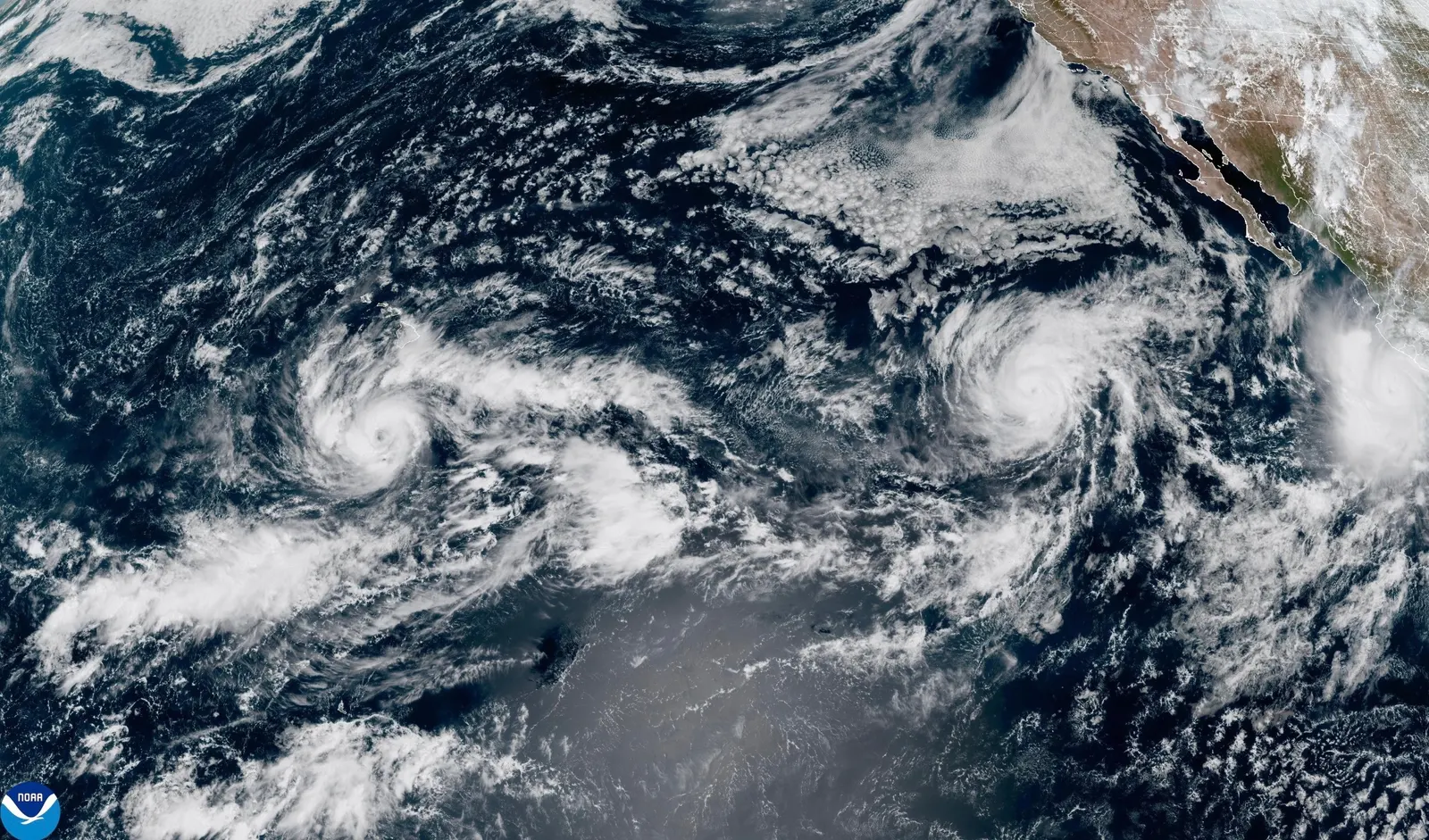
Hurricanes Polo and Nolo Threaten Mexico and Hawaii at Once
Hurricane Polo strengthened into a Category 3 storm off Mexico's Baja California peninsula while Hurricane Nolo continued to threaten heavy rain in Hawaii, forecasters said Sunday.
Hurricane Polo hit Category 3 strength near Mexico's Baja California peninsula while Hurricane Nolo continued threatening Hawaii with heavy rain.
- Polo reported at 125 mph winds, nearing Baja California Sur
- Puerto San Carlos evacuated; 90% deemed flood-prone
- Nolo weakening but still risks 20 inches of rain on Big Island
- Trump approved emergency declaration for Hawaii
- Delta jet made unrelated emergency landing in Porto
What's new
- Hurricane Polo reached Category 3 strength with winds reported near 125 mph as it approached Baja California
- Hurricane Nolo moved further from Hawaii but its outer bands still threatened up to 20 inches of rain on the Big Island
- Tropical Storm Rachel formed off Mexico's southwest coast with 40 mph winds
- An unscheduled landing in Porto was carried out by a Delta Air Lines aircraft following cabin smoke detection
On Sunday, Category 3 Hurricane Polo advanced toward Mexico's Baja California peninsula, triggering beach closures and evacuation efforts, even as Hurricane Nolo—despite pulling away from Hawaii—still posed a heavy rainfall risk to the islands.125
Polo nears Baja California
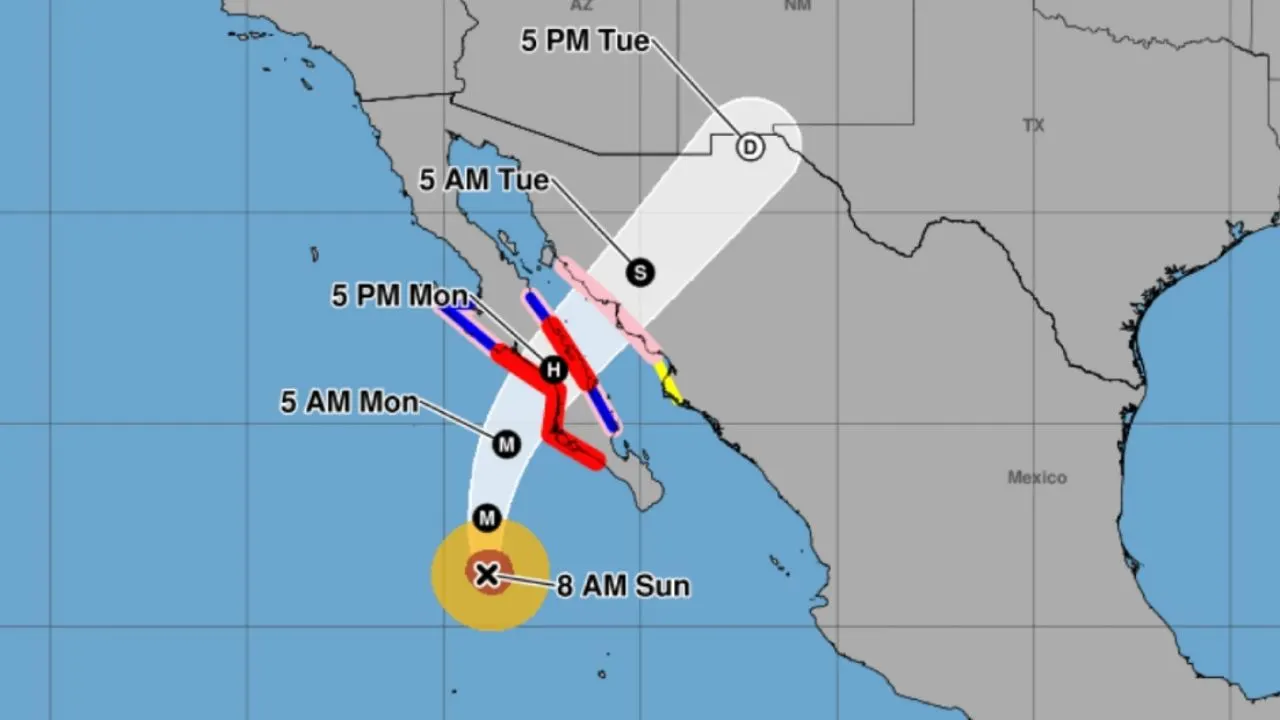
Hurricane Polo was positioned about 270 miles west of Cabo San Lucas, with the U.S. National Hurricane Center reporting top sustained winds of 125 mph on Sunday evening, making it a Category 3 storm. The BBC reported maximum sustained winds near 115 mph. Forecasters said Polo was expected to move over Baja California Sur before later crossing onto the Mexican mainland.1235
The National Hurricane Center said it "warned of heavy rainfall which could lead to life-threatening flooding and mudslides, especially in areas of steep terrain," and separately "warned of the storm surge Hurricane Polo could unleash, which it said could be accompanied by large and destructive waves." Authorities in Cabo San Lucas, a resort town known for its natural rock arch, restricted beach access and closed some restaurants.1
In the fishing community of Puerto San Carlos, with a population of around 5,700, authorities said 90% of the area was susceptible to flooding. Homes were boarded up by residents while crews moved dirt and rubble to strengthen embankments, and several families intended to seek refuge at shelters roughly 37 miles away in Ciudad Constitucion. Fisherman Rocío Sánchez said: "We in San Carlos were instructed by Civil Protection to leave because this area carries a high level of risk. Given the present tides along with the anticipated waves and winds, the barriers made of earth that were constructed here might not hold."23
The Mexican navy gathered personnel and humanitarian aid at the ports of Guaymas and Mazatlan and deployed three vessels. Soldiers were sent into the small fishing village of San Juanico to set up a shelter and offer assistance. Hotel manager Gloriely Robles Meza said: "Our people are concerned about this event. It's been a long time since we've encountered something this troubling." She added that soldiers had reached San Juanico to build a shelter and help with any emergency response that might be needed.235
Nolo and Hawaii
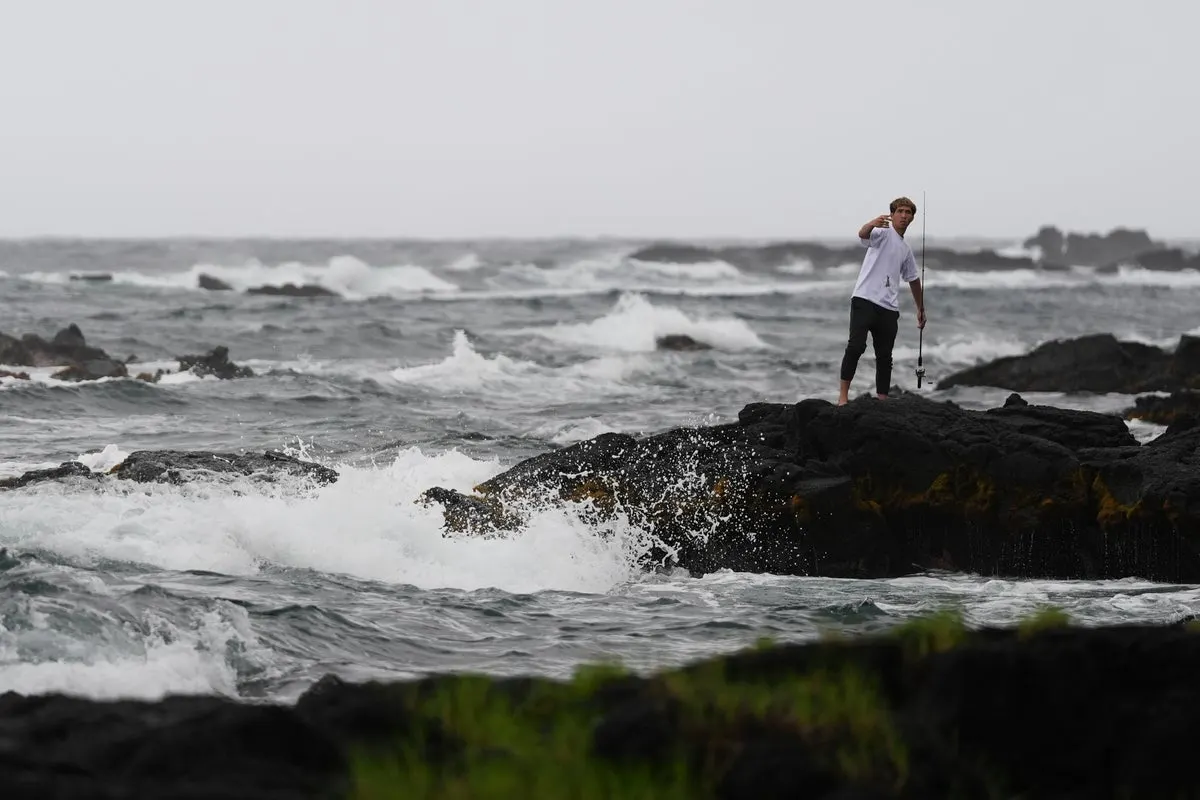
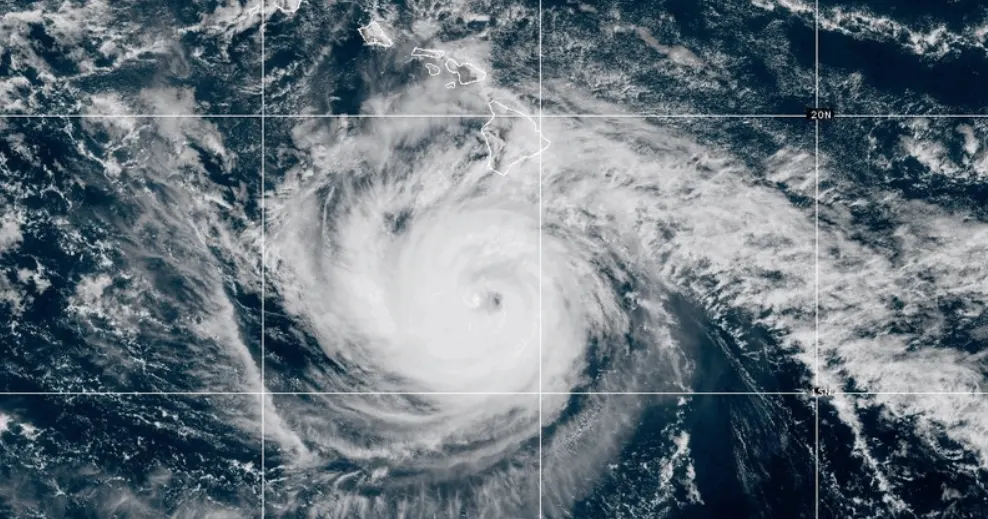
As Hurricane Nolo continued to drift farther from Hawaii, its peak sustained winds climbed to roughly 105 mph. Even though the storm was retreating, forecasters cautioned that its outer bands might still trigger dangerous flooding and mudslides, potentially dumping as much as 20 inches of rain on portions of the Big Island, per reporting from The Independent and abcnews.com.253
Hawaii mobilized over 120 National Guard troops, and an emergency declaration for the state was signed off by President Donald Trump. The Independent reported a statewide total of roughly 400 National Guard members activated, a figure disputed by NBC News. This comes after Hurricane Lala, whose intense rainfall and powerful winds dislodged approximately 100 homes from their foundations on the Big Island and, as abcnews.com noted, destroyed a bakery, a fire station and a hardware store in the area.235
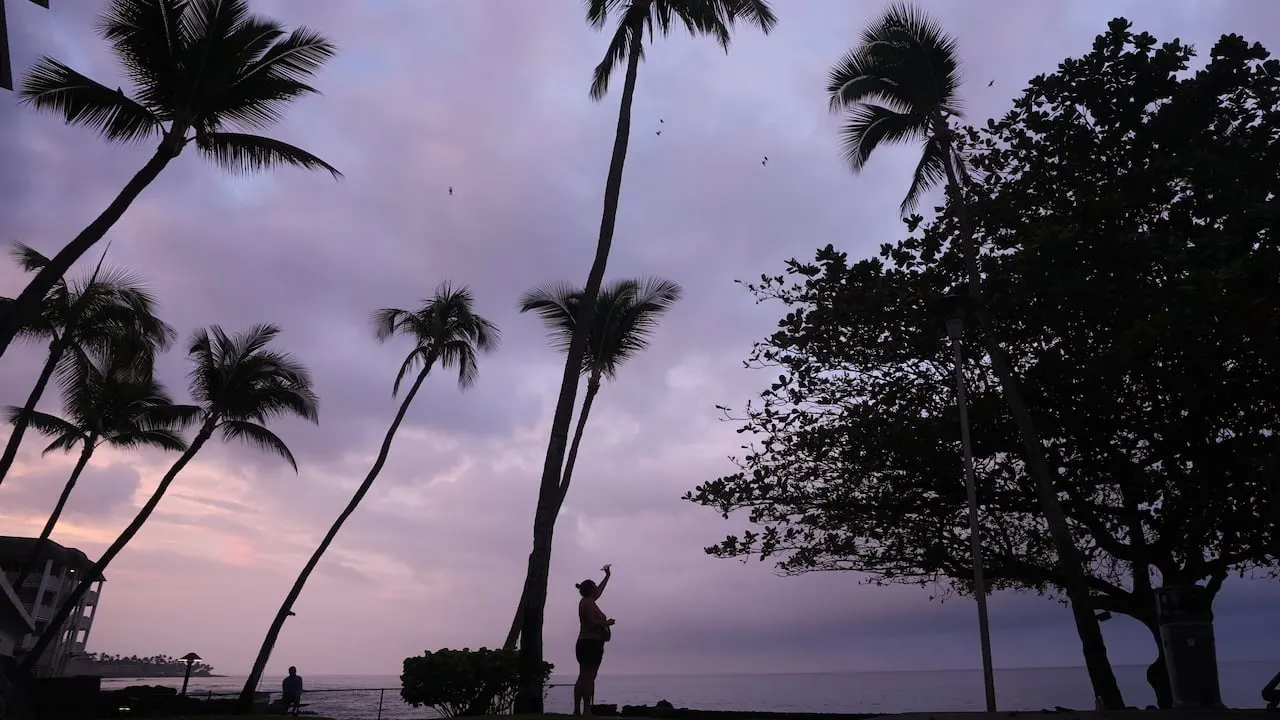
A Hawaii resident, Peggy McKibbin, said: "Everyone has been very much affected by this."5
Wider Pacific activity
Roughly 300 miles south of Acapulco, off Mexico's southwestern shoreline, Tropical Storm Rachel took shape, packing top sustained winds of 40 mph. According to The Independent, no coastal warnings were in effect for Rachel. Pacific storm activity was described as running above typical levels for the peak of hurricane season, a pattern that outlets linked to El Niño conditions.325
National Weather Service lead forecaster Bob Oravec discussed the above-average Pacific storm activity, which sources said was consistent with patterns seen during El Niño years.25
Delta jet makes emergency landing
In an unrelated incident, a Delta Air Lines flight bound from Barcelona to Boston was diverted for an unscheduled touchdown at Porto's airport in Portugal once smoke turned up inside the cabin. Fourteen passengers needed assistance after the plane landed, with eight treated on the tarmac. According to a civil protection service spokesperson, "Four passengers were taken to the hospital suffering from smoke inhalation but they were only lightly affected." What triggered the incident remained unclear at the time. CBS News reported that Delta had four emergency landings within a one-week span.4
Why it matters
Simultaneous major storms in the eastern Pacific and near Hawaii illustrate how above-average hurricane activity can strain emergency resources across widely separated regions at once. For European readers, the events highlight aviation safety incidents affecting transatlantic routes and the growing frequency of severe Pacific storm seasons linked to broader weather patterns.24
Videos
Related stories
Version history
- version 1 ·