Climate · Mexico
Hurricane Polo Floods Mexico, Fuels US Southwest Dam Crisis
Category 3 Hurricane Polo struck Mexico's Baja California peninsula this week, flooding towns, cutting power and destroying roads, before its remnants triggered dangerous flash flooding and a dam breach across the U.S. Southwest.
Hurricane Polo hit Mexico's Baja California Sur as a Category 3 storm, causing flooding and power cuts, before its remnants triggered a dam breach and flash flooding across the U.S. Southwest.
- Polo made landfall near Las Barrancas, flooding Puerto San Carlos and cutting power
- About 700 people sheltered in Baja California Sur before the storm
- A 20-foot dam breached in Garfield, New Mexico, forcing evacuations
- Tropical Storm Rachel is expected to strengthen into a hurricane
- El Niño is linked to an unusually active 2026 hurricane season
What's new
- A 20-foot earthen dam breached in Garfield, New Mexico, prompting evacuations
- New Mexico communities along the Rio Grande were evacuated over dam-failure fears
- Tropical Storm Rachel is forecast to strengthen into a hurricane and could threaten Baja California Sur by the weekend
- Boulder, Colorado recorded its lowest water-year rainfall total in 36 years even as flooding hit elsewhere
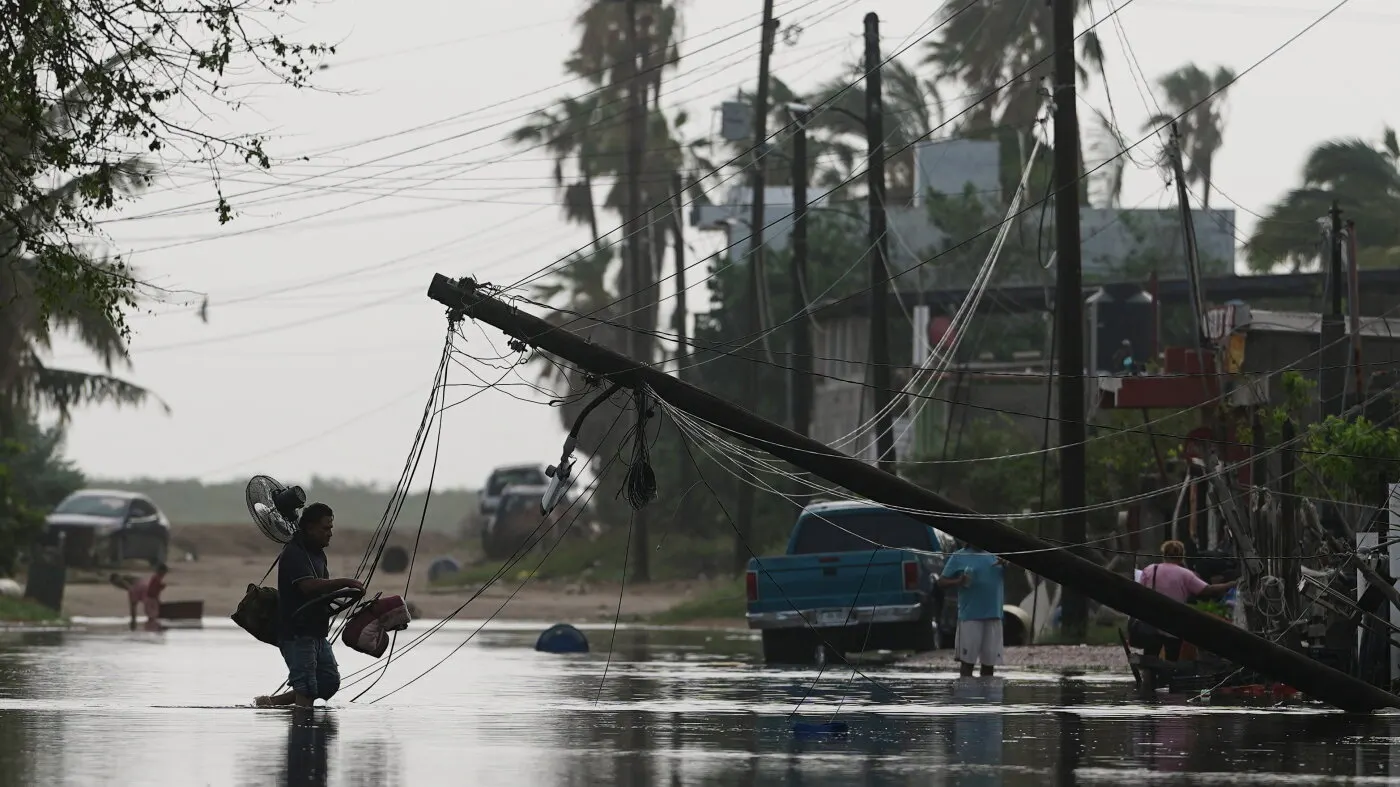
Hurricane Polo, a Category 3 storm, made landfall on Mexico's Baja California Sur peninsula on September 28-29, 2026, flooding streets, cutting power and damaging roads in fishing communities, before its remnants pushed into the U.S. Southwest, where floodwaters breached a dam in New Mexico and forced evacuations by September 30.236
Landfall in Baja California Sur
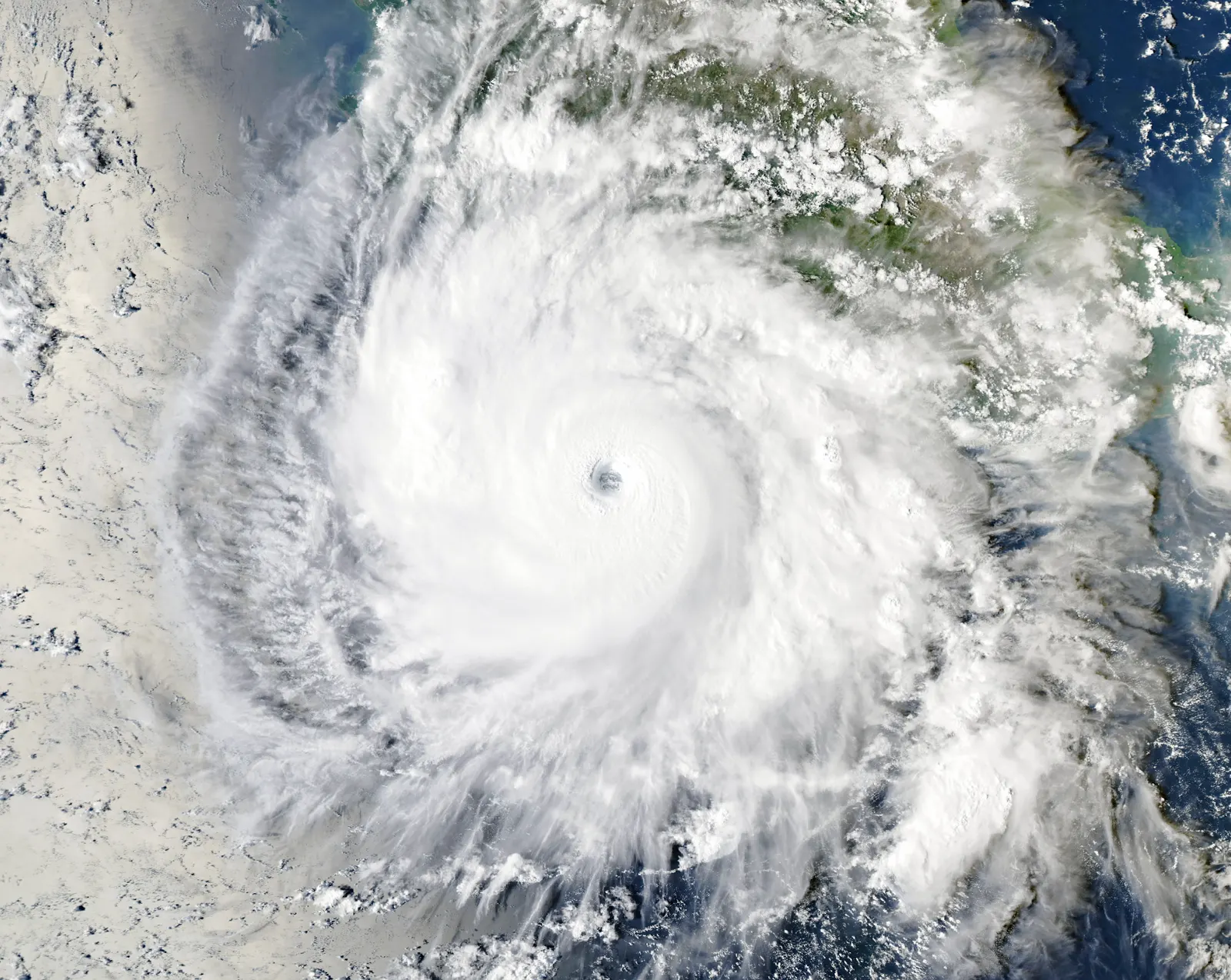
Hurricane Polo came ashore just south of the fishing village of Las Barrancas; Euronews put peak sustained winds at 175 km/h, while The Straits Times reported a higher figure of 185 km/h. Both outlets, along with Yale Climate Connections, classified Polo as a Category 3 hurricane.234
The storm swept through Puerto San Carlos, a port town of nearly 6,000 people, causing flooding, downed power lines and home damage, and a swollen river damaged roads on the route to Las Barrancas. Residents evacuated ahead of the storm's arrival.72
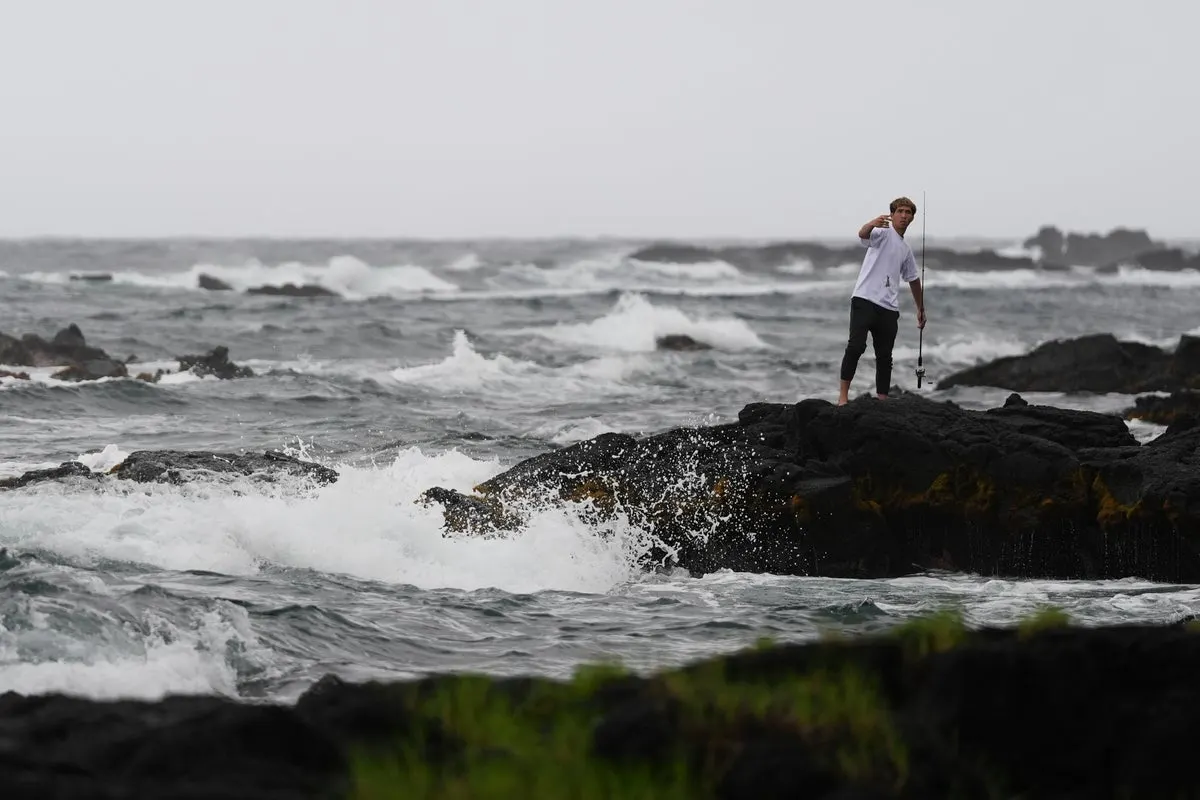
Authorities suspended maritime activity in the area as the hurricane approached. Laura Velazquez, Mexico's National Coordinator of Civil Protection, said "all maritime activities were suspended in the area." Maria Palomino, a shopkeeper getting ready to take refuge at a coastal high school, explained her decision by saying, "If something happens, it's better to come to the shelter. We'll be among people we know."23
Damage and Recovery Efforts
According to El Informador, the main damage was concentrated in the municipalities of Comondú and Mulegé, particularly in fishing communities, with rural roads destroyed and minor home damage reported. A road cut was recorded on the Transpeninsular highway at kilometre 157 between Santa Rosalía and Heroica Mulegé, and roof damage from sheet metal was found on some homes.5
Roughly 700 people were moved to temporary shelters before the storm, and most had returned home by Tuesday, though about 20 remained sheltered in El Chicharrón. Saúl González Núñez, Secretary General of Government, said officials were "estamos haciendo el levantamiento del censo para identificar los daños en estas comunidades y las viviendas que requieren apoyos," and added that despite the storm's intensity, its rapid movement over the peninsula helped limit the damage.5
Work brigades continued drainage, road repairs and supply distribution on Tuesday, and a Secretaría de Marina helicopter carried out reconnaissance flights over the region as Polo weakened to a tropical storm and moved over Sonora.5
Remnants Trigger Flooding in the U.S. Southwest
After crossing the Gulf of California and reemerging, Polo made a second landfall near Guaymas with reduced winds before weakening further inland. Its moisture combined with other weather systems to produce dangerous flooding across the U.S. Southwest, according to AccuWeather, with a flash flood emergency issued over fears the McLeod Dam could fail.16
A 20-foot earthen dam breached in Garfield, New Mexico, prompting emergency evacuations, and residents of Rincon, Salem, Garfield, Hatch and Placitas were told to leave. Three small communities with hundreds of residents were evacuated along the Rio Grande. North of Phoenix, floodwaters carried off a truck in a dry wash, but its driver got out safely.61
In Orderville, Utah, Sabrina Dubay recounted how the Virgin River engulfed her property: "The river came in and swept around the entirety of our house," she said, adding, "It was coming in through our front doors." Carter Greulich, a National Weather Service meteorologist, cautioned that dangers were far from over, stating, "Definitely looking at the chances for urban flooding. Don't drive through flooded roadways. Stay away from arroyos, particularly in cities."1
Forecasters anticipated the heavy rain would push into Texas and Oklahoma beginning Tuesday night; the National Weather Service projected 2 to 5 inches of rainfall stretching northeastward from Arizona and New Mexico, with 3 to 7 inches possible across Texas and into Oklahoma, and cautioned that "considerable flash flooding is possible across portions of New Mexico and west Texas today through Wednesday."14
An Active Pacific Season
According to Yale Climate Connections, Hurricane Polo ranks in a tie for fourth-strongest hurricane ever to make landfall on the Baja Peninsula, and stands among just ten Category 2-or-higher storms to strike the peninsula since record-keeping began in 1949; the storm hit Category 5 strength on three occasions and its minimum pressure of 892 millibars makes it the second-most intense hurricane recorded in the eastern Pacific. Meteorologist Colin McCarthy noted the storm "went from a tropical storm to Category 5 in ~21 hours."4
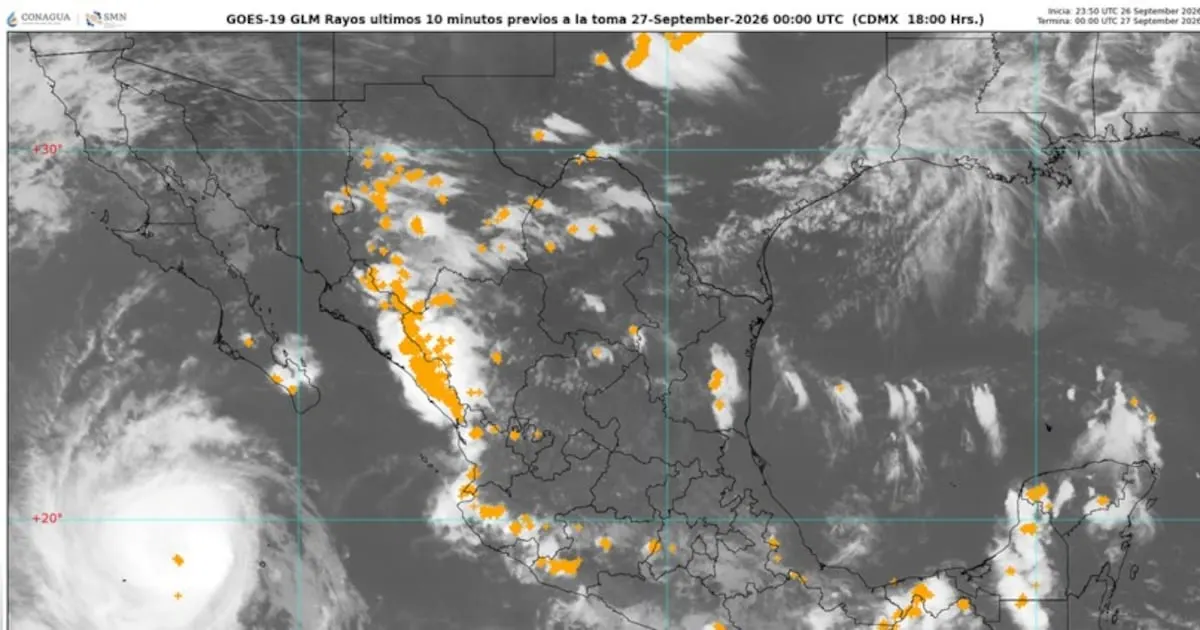
Tropical Storm Rachel, with winds of 70 mph, was tracking roughly 300 miles west-southwest of Lazaro Cardenas and is expected to strengthen into a hurricane by midweek. Fabian Vazquez, head of Mexico's meteorological service, said Rachel "will move parallel to the coast of Mexico all week, but right towards the weekend it could also start moving towards Baja California Sur."13
The Straits Times and Euronews linked the intensity of the season to El Niño, reporting that unprecedented warming in the equatorial Pacific has fuelled a more severe than usual hurricane season, with storm surges and heavy rain threatening severe damage. Meanwhile, drought persists elsewhere: Boulder, Colorado, has received 10.65 inches of rain this water year, about half its long-term average and the lowest total in 36 years of record-keeping, and Yale Climate Connections noted that 33 of 48 contiguous U.S. states would need more than 8 inches of rain in a month to ease drought, including 9 to 19 inches needed in Texas.324
Why it matters
The storm illustrates how an intensified Pacific hurricane season, linked by sources to El Niño warming, is producing damage that spans two countries in a single week, from flooded Mexican fishing towns to dam failures in the American Southwest. For European readers, it underscores how ocean warming patterns can amplify extreme weather across continents, a pattern relevant to climate risk assessments worldwide.23
Videos
Related stories
Version history
- version 1 ·