World · Spain
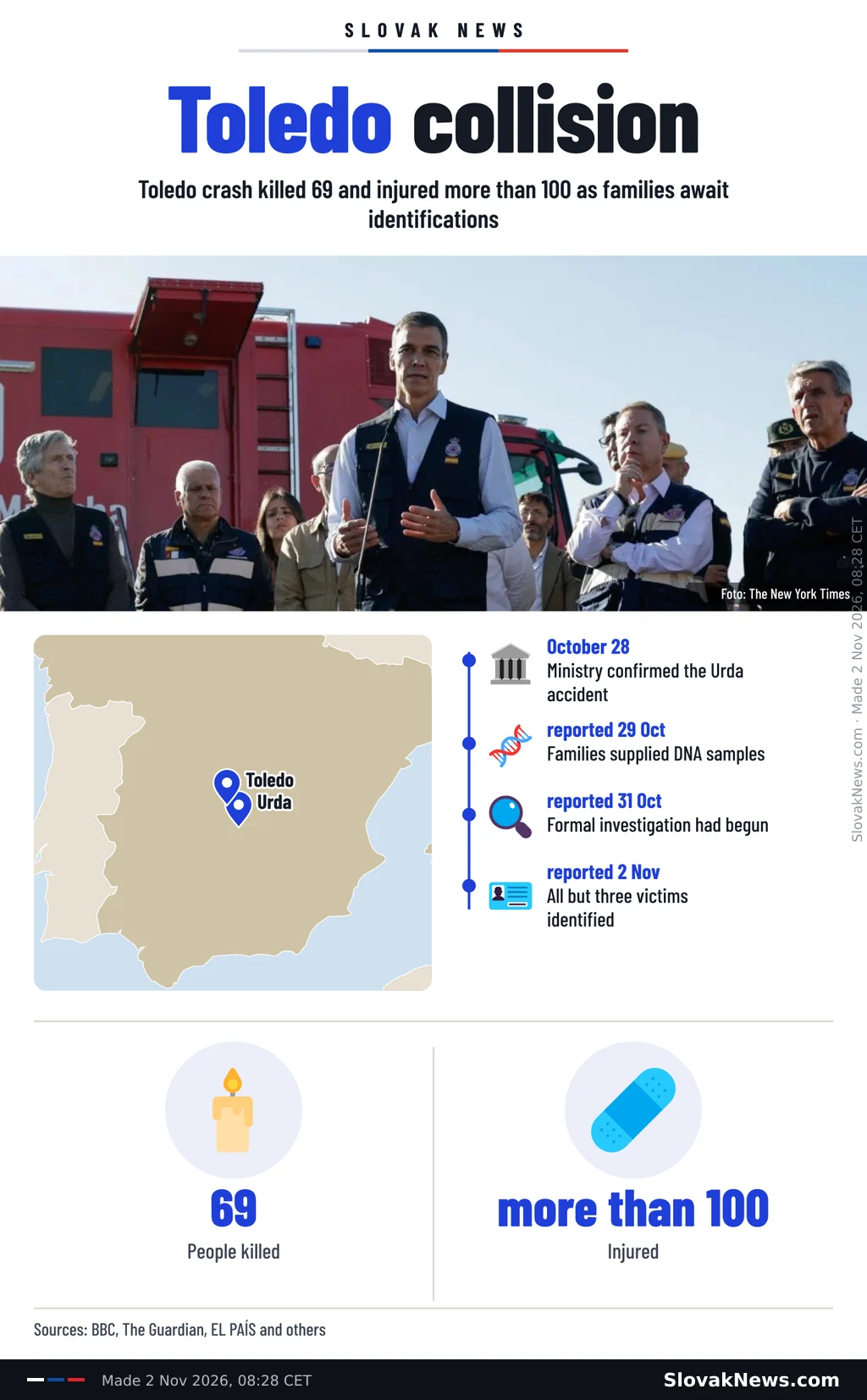
Toledo crash killed 69 and injured more than 100 as families await identifications
Reporting identifies former minister Fátima Báñez and athlete Julieta Gallego among the dead. A judge will examine controllers’ actions, while the collision’s cause remains unresolved.
Listen to the story
Short version
The Toledo collision killed 69 people and injured more than 100, according to reporting. Victim identification and scrutiny of controllers’ actions continue.
- Families supplied DNA samples to help identify victims.
- Fátima Báñez, Julieta Gallego and Marta Shahbazi were among those killed.
- Three missing-person reports remained active on November 2.
- A judge will investigate controllers’ actions; the cause remains unresolved.
Infographic
What's new
- The BBC reports that more than 100 people were injured, many seriously, in the collision that killed 69.
- The Guardian reports that 54 Spaniards were among those killed, as forensic teams worked to identify victims.
- The BBC reports confirmed deaths of former minister Fátima Báñez, athlete Julieta Gallego, Civil Guard officer José Manuel Chacón and tax lawyer Antonio Montero Domínguez.
- A judge will investigate controllers’ actions, including permission for a train to proceed while another was stalled ahead, according to The New York Times.
The October 28 train collision near Urda, Toledo, killed 69 people, including 54 Spaniards, according to The Guardian’s November 2 reporting. The BBC reports more than 100 injuries, many serious, and says families supplied DNA samples to help identify the dead. Former employment minister Fátima Báñez and young athlete Julieta Gallego are among the victims. A judge will examine controllers’ actions, according to The New York Times; the investigation has not established a final cause.214
Infographic
Cause remains under investigation
The Guardian’s November 2 reporting put the death toll at 69, including 54 Spaniards. The fatalities also included four Americans, along with one person apiece from Canada, Japan, Argentina, Mexico, Tunisia and the Czech Republic. Forensic teams worked to identify victims as relatives waited for news. Authorities said three missing-person reports remained active, concerning two Australians and one Japanese citizen.2
The BBC reported more than 100 injuries, many serious. Bodies were taken to Toledo’s main forensic institute, where relatives supplied DNA samples to assist identification.1
The BBC reported on October 31 that the formal investigation had only recently begun. Transport Minister Oscar Puente nevertheless attributed the collision to human error. The ministry’s October 30 notice described assistance arrangements for victims and their families, but offered no technical conclusion and assigned no responsibility.15
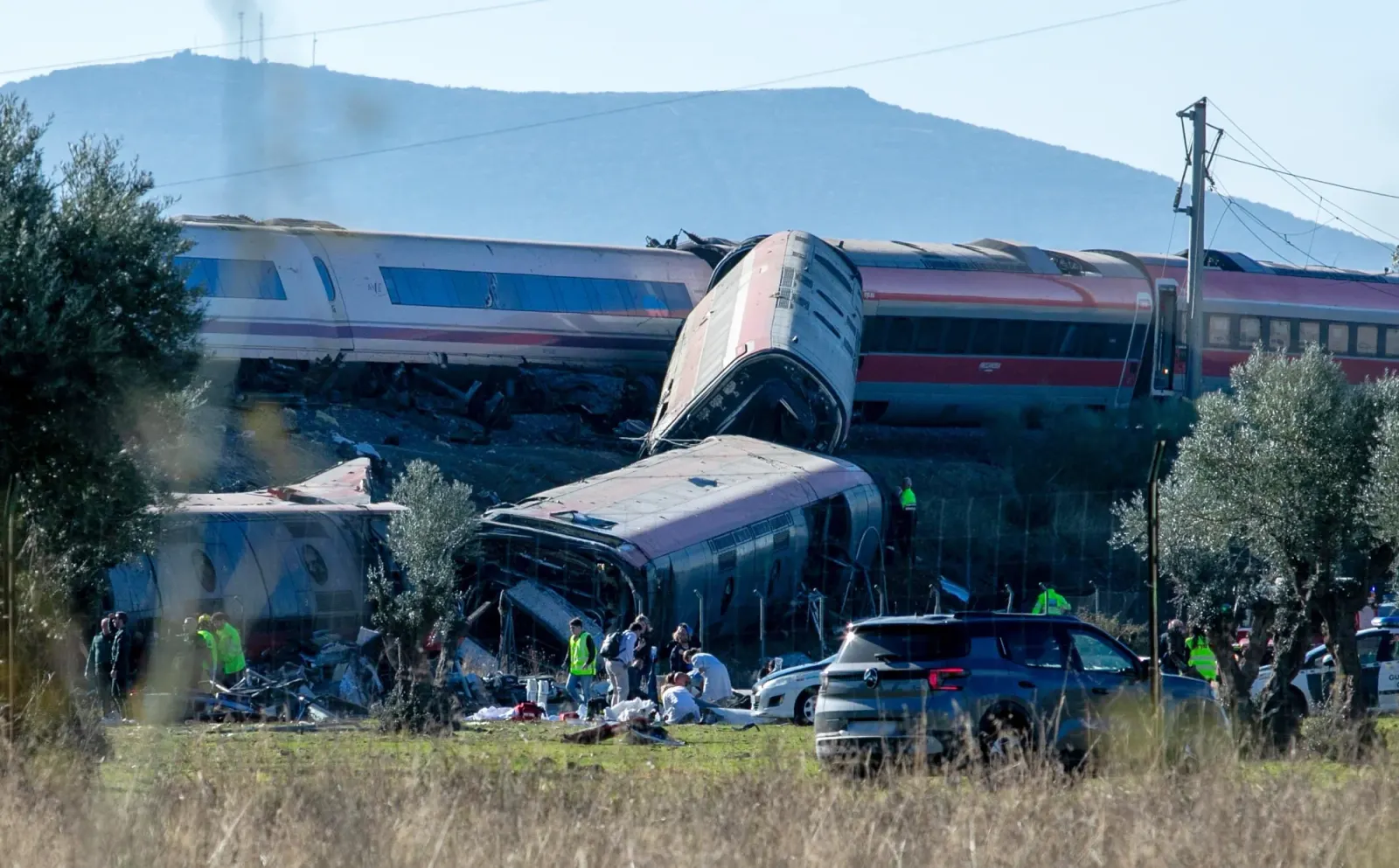
A Renfe high-speed service struck the rear of a stationary Iryo train outside Urda. According to The Guardian, a malfunction in an automated safety system stopped rail traffic across 63km, after which controllers cleared the Renfe train to proceed even though the Iryo service was still on the line. The BBC reported that a controller authorised movement at up to 160km/h despite another train being ahead. These reported accounts do not establish the investigation’s final findings.12
A judge will investigate controllers’ actions, The New York Times reported, including the authorisation for a train to proceed at high speed while another train was stalled ahead of it.4
Puente defended Spain’s LZB signalling system as neither outdated nor unsuitable, the BBC reported. The broadcaster said the system had recorded 170 failures in Spain this year. Those reported failures are not an investigative finding about the cause of the Toledo collision.15
The collision was Spain’s second deadly high-speed rail accident in nine months, according to EL PAÍS. The Guardian reported that January’s crash in Andalusia killed 46 people. The BBC said the Adamuz investigation remained open, with early reports suggesting a rail crack; that explanation remained preliminary.123
Campaign priorities displaced
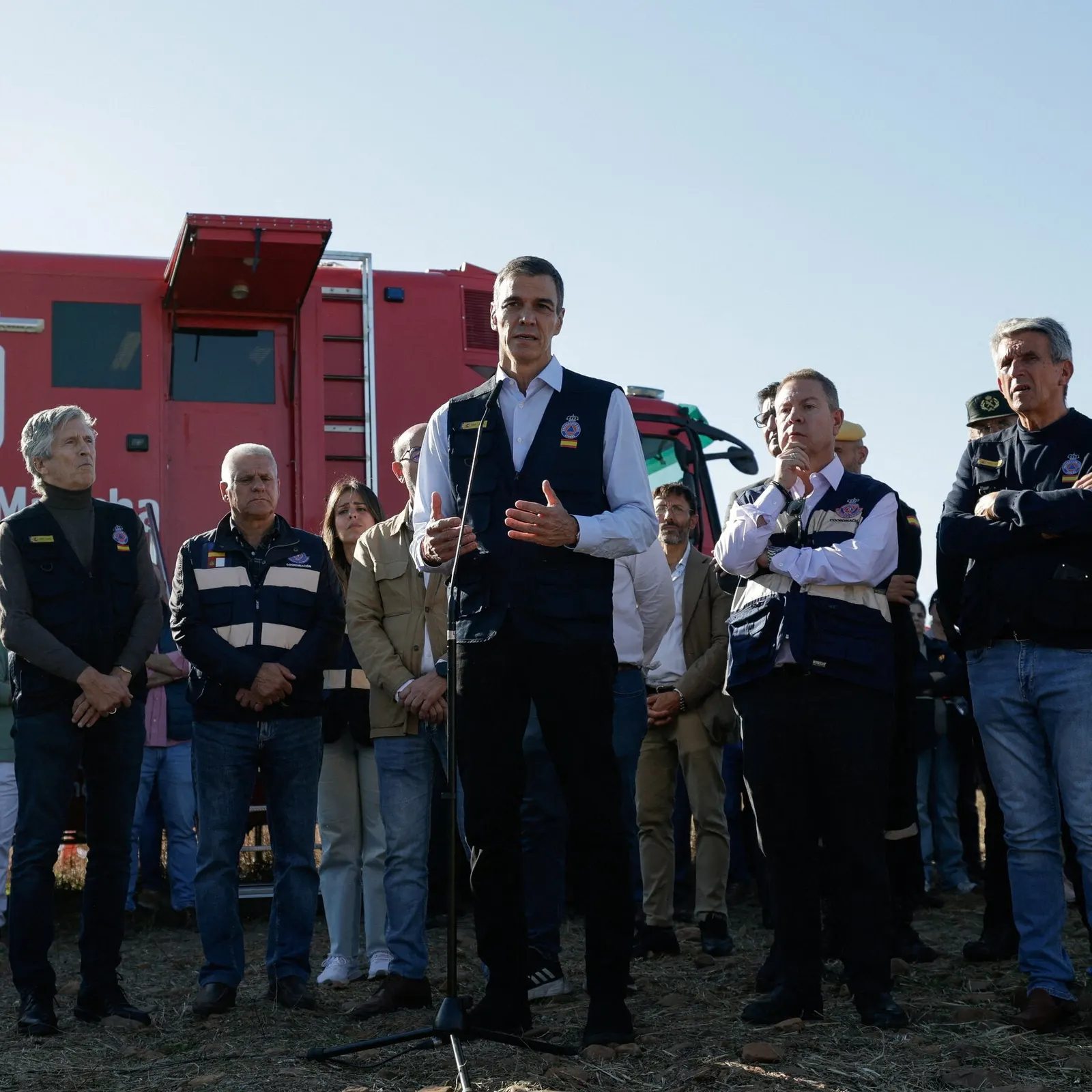
Sánchez had intended to focus his campaign on housing and inequality, according to The New York Times, which described the second major railway accident of the year as a test of his government’s competence. EL PAÍS reported that he retained his support for Puente because he believed human error, rather than ministerial responsibility, explained the crash.34
People’s Party leader Alberto Núñez Feijóo sought prompt government and judicial investigations free from interference, alongside a comprehensive independent review of the railway network, EL PAÍS reported. He also demanded answers about tracks, safety systems and warnings arising from Adamuz, while initially avoiding calls for resignations out of respect for the victims.3
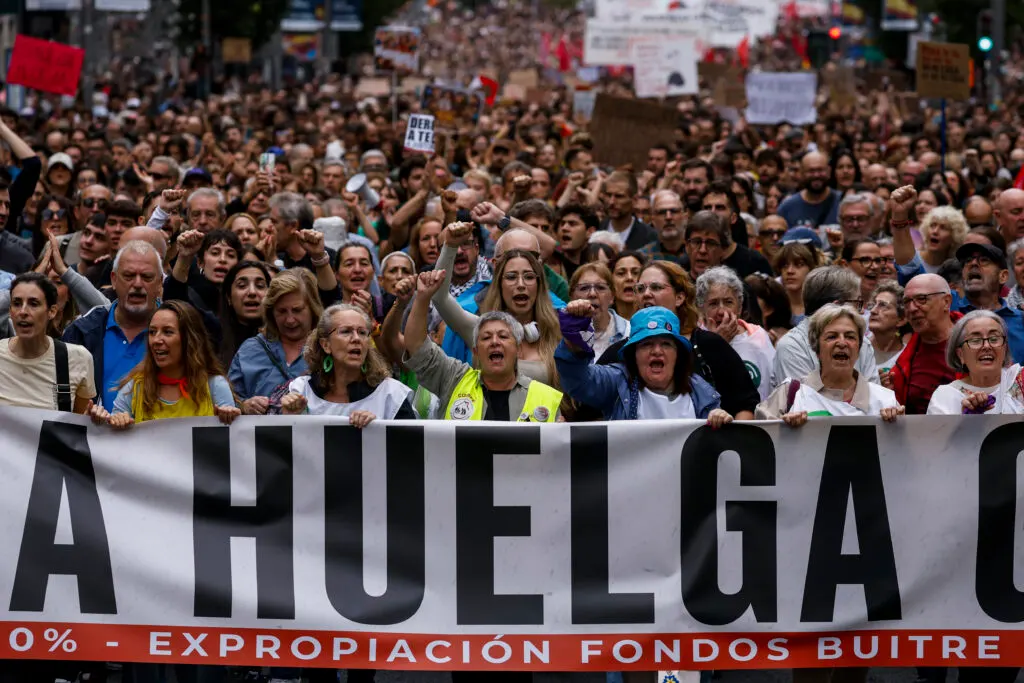
The government’s coalition partner Frente Amplio demanded political accountability and an independent audit, according to EL PAÍS. The newspaper reported that Vox accused Sánchez of responsibility for the accident and was the only party not to cancel campaign events that day, as other political activity paused during three days of mourning.3
According to The Guardian, Sánchez called the event tragic and pledged that it would be investigated. Spain declared three days of national mourning.12
The BBC reported that recent polls placed the People’s Party first and pointed towards a coalition with Vox. Pablo Simon, a professor at Madrid’s Carlos III University, described the government’s campaign predicament: “They've totally lost control of the agenda and the emotion of this campaign.”1
Cambridge scientist among those killed
The BBC and The Guardian reported that Marta Shahbazi was on her way to a conference in El Rompido, where the Spanish Society of Developmental Biology was due to honour her with its prize for scientific excellence, when the trains collided. She was affiliated with the Cambridge Stem Cell Institute and led a research group at the Medical Research Council Laboratory of Molecular Biology.12
The laboratory said Shahbazi studied early human embryo development and errors that can lead to failed pregnancies. The laboratory said her death had caused deep shock and represented a significant loss. Cambridge Stem Cell Institute director Bertie Gottgens also paid tribute to her creativity, passion and generosity.12
Former minister and young athlete among victims
The Spanish Confederation of Business Organizations confirmed the death of its chair, Fátima Báñez, according to the BBC. Báñez, 59, served as employment minister under Mariano Rajoy from 2011 to 2018.1
Julieta Gallego, a 24-year-old Spanish long jumper who competed for Madrid club AD Sprint, was also reported dead by the BBC. Athletics official Raúl Chapado paid tribute to her and described the club’s grief.1
The BBC reported that the Civil Guard confirmed the death of officer José Manuel Chacón, 31, and that Spain’s tax authority confirmed the death of finance and tax lawyer Antonio Montero Domínguez.1
Why it matters
The disaster has made railway safety and government accountability central issues ahead of Spain’s November 29 election. According to EL PAÍS, the government is the main authority responsible for the network, and demands for an independent review extend beyond the circumstances of this collision.3
Videos
Related stories
same actors
Version history
- version 3 · This update replaces the identification-progress headline with current casualty and forensic reporting, adds newly named victims, and details judicial scrutiny of controllers’ actions.
- version 2 · This update leads with victim-identification progress, adds reporting on Marta Shahbazi and the collision sequence, and updates source references while keeping the cause unresolved.
- version 1 ·