World · Estonia, Russian Federation
Kremlin dismisses reports of Estonian troop shift toward Russian border
Kremlin spokesman Dmitry Peskov said Russian intelligence could monitor military movements near the border. Reports say Estonia is moving combat units east and adopting a doctrine to defend every part of its territory.
The Kremlin has dismissed reports of Estonia’s eastward troop shift while asserting that Russian services can monitor border activity. Estonia is reportedly adopting a more forward active-defence posture.
- Kremlin spokesman Dmitry Peskov asserted Russia’s border-monitoring capabilities.
- Estonia’s main combat units are reportedly moving from Tapa to Jõhvi.
- In a crisis, the planned facilities in Narva would have room for as many as 1,000 personnel.
- Estonian planners reportedly intend to defend every part of the country.
What's new
- The Kremlin rejected accounts saying Estonia was redeploying forces nearer the Russian border.
- Dmitry Peskov said Russian defence and intelligence services could monitor border movements.
- The Moscow Times reported that Estonia’s doctrine now calls for fighting over every part of its territory.
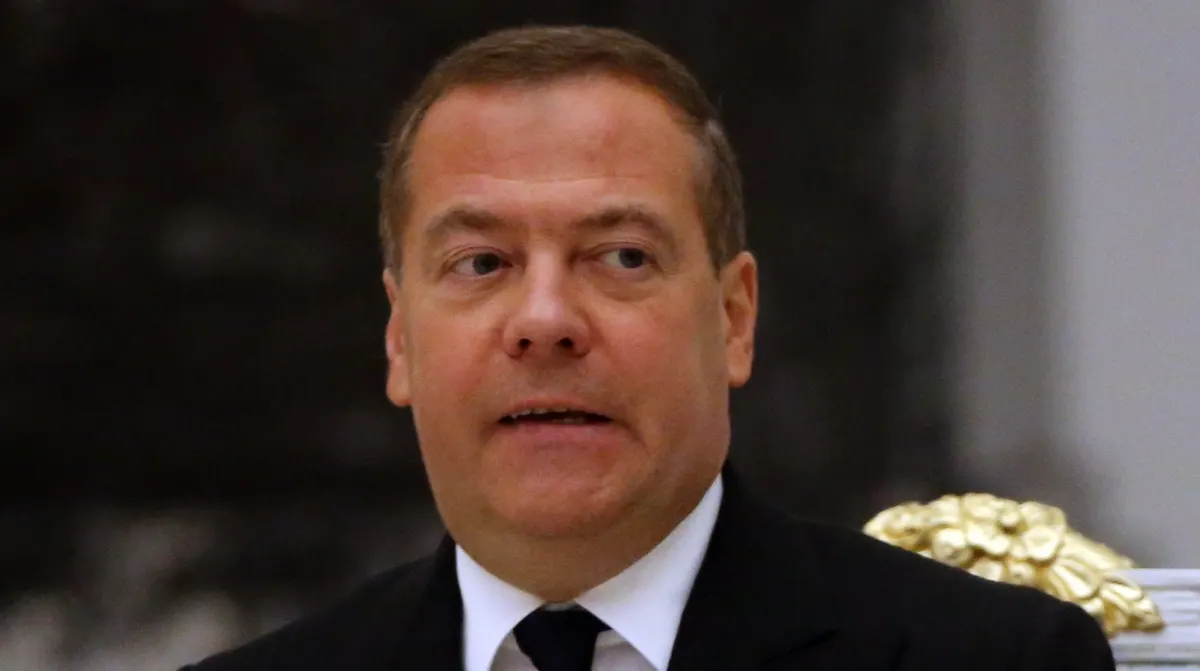
The Kremlin on Oct. 5, 2026, dismissed reports that Estonia was shifting troops and weapons closer to Russia. Kremlin spokesman Dmitry Peskov said Russia’s Defence Ministry and other services had the intelligence capabilities needed to monitor and assess military activity near the country’s borders.3
Forces moving east
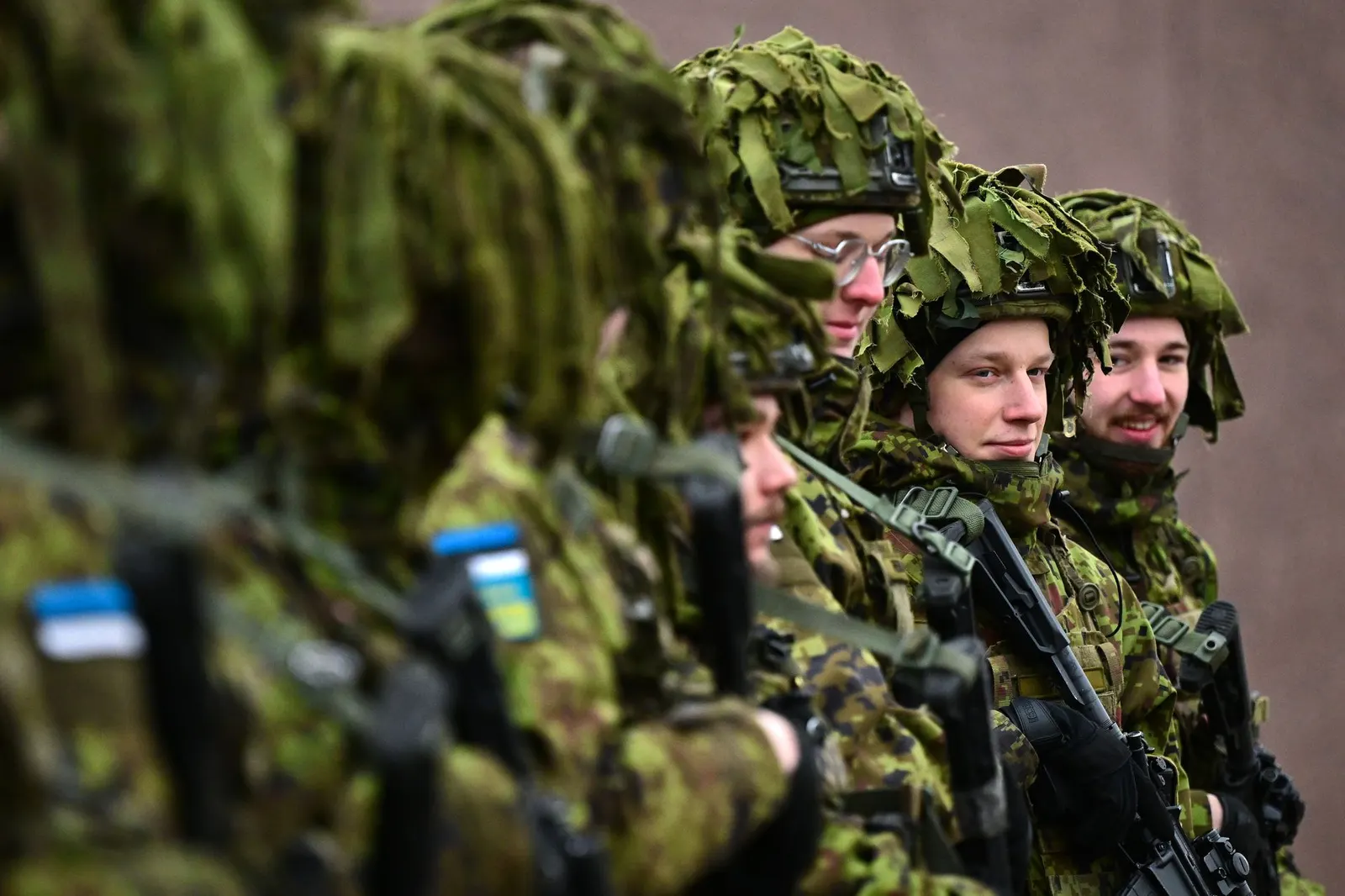
The headquarters of Estonia’s First Brigade has relocated from Tapa to an expanded and modernised base in Jõhvi, according to Meduza. The Kyiv Independent reported that the brigade itself, described as the country’s principal combat-ready land-force element, would move there. Jõhvi is about 50 kilometres from the Russian border, while Tapa is about 150 kilometres away.12
Meduza, The Moscow Times and TASS reported that Estonia is constructing military facilities in Narva with capacity for as many as 1,000 troops during a crisis. Meduza said the plan provides for 200 personnel to be based there permanently, with space for a further 800 during a border crisis.234
Tarmo Kundla, commander of the First Brigade, linked the relocation to a change in Estonia’s strategic approach, according to The Kyiv Independent. “We have to start from the border and win from the first battles,” he said. The Moscow Times reported that planners had moved from preparing to harry invading forces until NATO reinforcements arrived to intending to fight over every part of Estonia.13
Weapons and spending
The Kyiv Independent said Estonia’s active-defence posture would permit immediate return attacks against targets farther inside Russia in the event of an invasion. It also reported that Russia planned to double the forces stationed across the Estonian border, and said Estonia was relying on NATO regional air power and the deterrence provided by the alliance’s Article 5.1
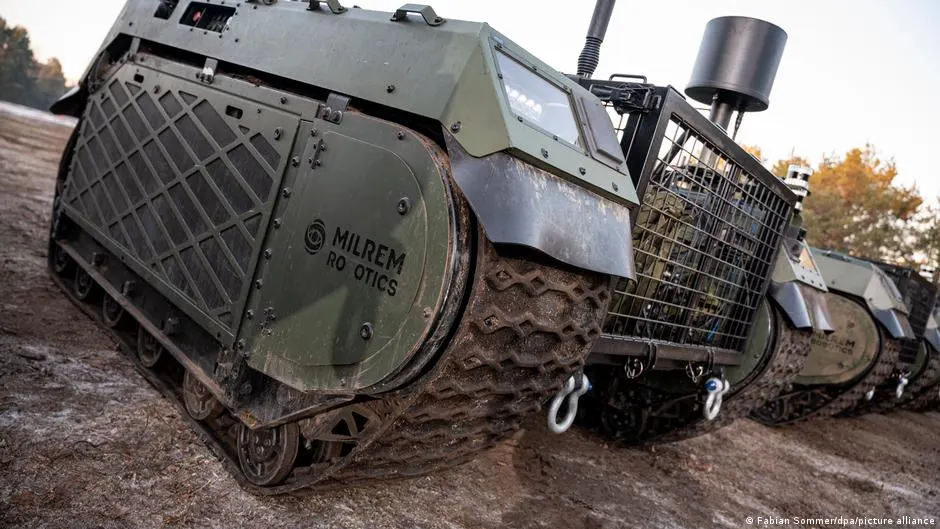
According to Meduza, Estonia signed contracts in 2025 for nine US-made HIMARS systems and nine South Korean Chunmoo launchers, with missiles able to travel as far as 300 kilometres. The Kyiv Independent said the systems could reach St Petersburg, while TASS separately reported the HIMARS purchase. The Moscow Times further said Estonia was procuring drones and ballistic missiles with a range reaching 300 kilometres into Russian territory.1234
Estonia increased defence expenditure by 42 per cent in 2026 to 2.4 billion euros, or about 5.4 per cent of gross domestic product, according to The Kyiv Independent. Meduza quoted the Estonian Defence Ministry as saying: “Our aim is clear: to keep the enemy and the destruction of war away from Estonian territory.”12
Assessments of the threat
Meduza reported that Estonian military officials considered a Russian seizure of Narva unlikely, but had not excluded provocations intended to test NATO’s collective-defence clause. It said European countries, particularly those bordering Russia, had repeatedly voiced concern that Moscow might use provocations to pressure NATO into ending support for Ukraine. Latvia’s intelligence services issued a similar assessment in the summer of 2026, according to the outlet.2
Meduza reported that military and intelligence officials believed Russia lacked the capacity to wage a major conflict against NATO over the coming two years. TASS similarly reported that Estonia’s leadership believed Moscow did not want such a war for at least two years. These assessments do not confirm that a provocation or wider attack is planned.24
According to The Moscow Times, Martin Jaeger, who leads Germany’s BND external intelligence service, said Germany faced a genuine danger of violent conflict with Russia and warned that Moscow might carry out limited military operations, especially in the Baltic states.3
The Moscow Times reported that the Kremlin dismissed accounts of Estonia’s troop shift. Kremlin spokesman Dmitry Peskov said Russia’s Defence Ministry and other services possessed the intelligence needed to monitor and assess the situation near the country’s borders. TASS separately reported that Vladimir Putin called statements by Estonia’s government “utter nonsense, complete absurdity”.34
Why it matters
The Kremlin’s response adds an official Russian reaction to Estonia’s reported shift toward active defence. The developments come amid warnings about possible provocations testing NATO’s collective-defence commitment and a warning from Germany’s foreign intelligence chief that Russia could undertake low-intensity military activity in the Baltic states.23
Related stories
background
Version history
- version 2 · The update adds the Kremlin’s dismissal, Dmitry Peskov’s assertion of Russian monitoring capabilities, Estonia’s revised territorial-defence doctrine and the BND chief’s warning about Baltic risks.
- version 1 ·