Business · Islamic Republic of Iran, United Arab Emirates, Qatar
Gulf Oil and LNG Exports Rebound Despite Hormuz War Risks
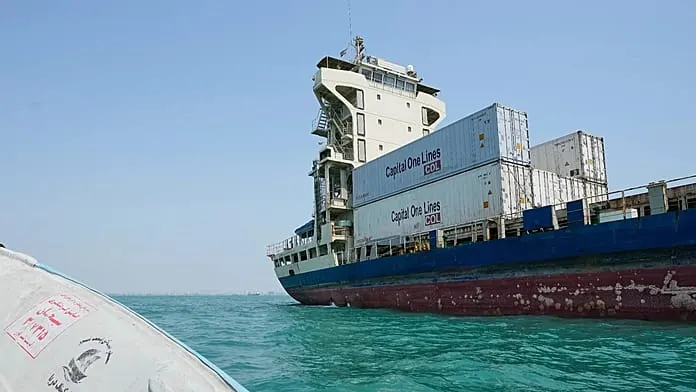
Middle East crude shipments rose sharply in September even as the Iran-US war keeps damaging energy infrastructure and disrupting Qatari LNG deliveries to Europe.
Gulf oil exports rebounded in September despite continuing Iran-US war damage to energy infrastructure and disrupted Hormuz shipping.
- Middle East crude exports hit 16.3 million barrels a day in September
- Saudi Arabia more than doubled its oil shipments
- Qatar's LNG deliveries to Italy remain disrupted into December
- Over 170 attacks have hit Gulf nonmilitary infrastructure since February
- Qatar continues mediating US-Iran talks; Trump predicts quick resolution
What's new
- Middle East crude exports climbed to 16.3 million barrels a day in September
- Saudi Arabia more than doubled shipments to 5.4 million barrels a day
- QatarEnergy extended force majeure on LNG deliveries to Italy's Edison until December
- Qatar resumed mediating indirect US-Iran talks at the UN General Assembly
Middle East crude oil exports rose to 16.3 million barrels a day in September, with Saudi Arabia more than doubling its shipments, even as the war between Iran and a US-Israeli coalition, now in its seventh month, continues to disrupt traffic through the Strait of Hormuz and damage energy infrastructure across the Gulf.251
Exports rebound in September
Middle East crude oil exports climbed to 16.3 million barrels a day in September, according to Euronews, though this remained 3.2 million barrels a day below February levels, before the war began. According to Reuters, Saudi shipments jumped from 2.45 million barrels daily in August to 5.4 million in September, a more than twofold increase, as supertankers carrying its crude departed through Hormuz.25
Euronews cited data forecasting that traffic through the strait would climb to 9.7 million barrels a day, a recovery from the near-total halt seen earlier in the conflict; Al Jazeera and the UN News syndication noted the passage had handled roughly one in five barrels of oil and cubic feet of gas traded globally before fighting broke out.241
LNG deliveries disrupted
Qatar's LNG exports remain constrained. Euronews reported no visible LNG tanker crossings through Hormuz in August, and that QatarEnergy issued a force majeure notice extending the suspension of deliveries to Italy's Edison until early December, meaning six cargoes due at the Adriatic LNG terminal will not arrive. Total missed cargoes since April reached 35, under Edison's 25-year contract with QatarEnergy covering 6.4 billion cubic metres a year.2
The disruption follows attacks on Qatar's Ras Laffan terminal, where two production units were damaged. Energy Minister Saad Sherida Al-Kaabi stated that fixing the damaged units "would take about three years," though he added that "12 undamaged units could return to normal operations within weeks." He further argued that constructing a bypass pipeline around Hormuz would not be economically viable.2
War's cost across the region
Per Al Jazeera, Iran and allied militias have launched a minimum of 172 strikes against civilian sites spanning six GCC nations since February 28, and nearly half of those nonmilitary strikes targeted energy facilities. Documented incidents include a drone strike on the Abqaiq processing complex, which handles more than 7 million barrels of oil a day, an explosion at the Barzan gas project that killed at least 13 people, and strikes on Qatar's Rasgas LNG trains that damaged roughly 13 million tonnes of capacity, with repair costs estimated at about $3bn.1
Al Jazeera reported that Brent crude prices climbed roughly 22 percent over the course of the war, moving from $72 to $88 per barrel. Rystad Energy's Rahul Choudhary said, "Overall we expect US companies' share of gas supplies from the region to fall by around 40 percent this year compared to last year," with oil supplies from US firms expected to drop 30-35 percent. Chevron, less exposed to the region, posted $12bn in adjusted earnings on July 31—its best quarterly result in six years—whereas ExxonMobil's upstream profits dropped roughly $1.3bn in the first half of 2026, given that Qatar and the UAE combined supply a fifth of its worldwide equity production. Al Jazeera also cited a figure, disputed within its own reporting, that ExxonMobil's Qatari LNG share could fall to about 4 million tonnes in 2026 from 13 million tonnes in 2025.1
Diplomacy continues
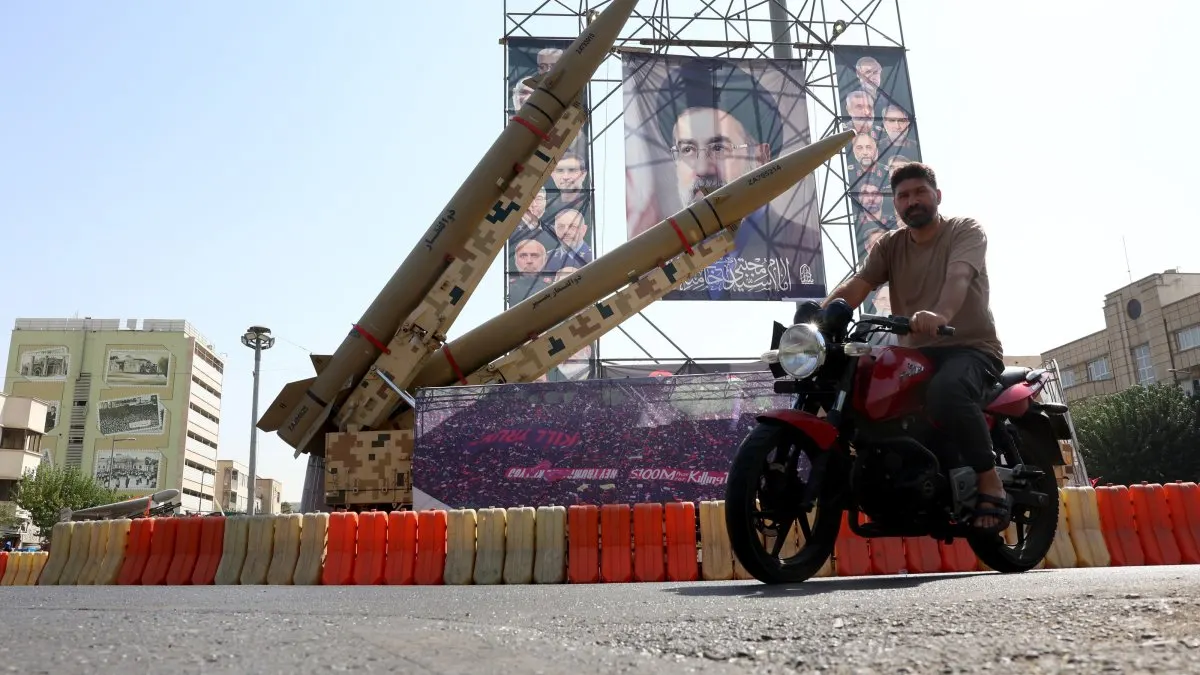
Euronews reported that Qatar has once again taken up its mediating role between the US and Iran, and the UN News syndication noted the two nations conducted indirect discussions facilitated by Doha during the UN General Assembly gathering. Abbas Araghchi, Iran's foreign minister, sat down with US envoy Steve Witkoff and laid out Tehran's terms for allowing the strait to reopen; spokesperson Esmaeil Baqaei described these terms as unchanged, saying they "were not new and pertained to the Strait of Hormuz."4
Al Jazeera reported that Tehran insists full reopening of the strait depends on Washington meeting obligations from an interim peace agreement that has since expired, and the Washington Times noted Iran's stance that the agreement by itself is insufficient absent a lifted US blockade and sanctions relief. In late August, Qatar's prime minister traveled to Tehran to discuss with top Iranian officials a joint plan with Oman for temporary shipping lanes and mine clearance, an arrangement Iran and Oman later finalized.61
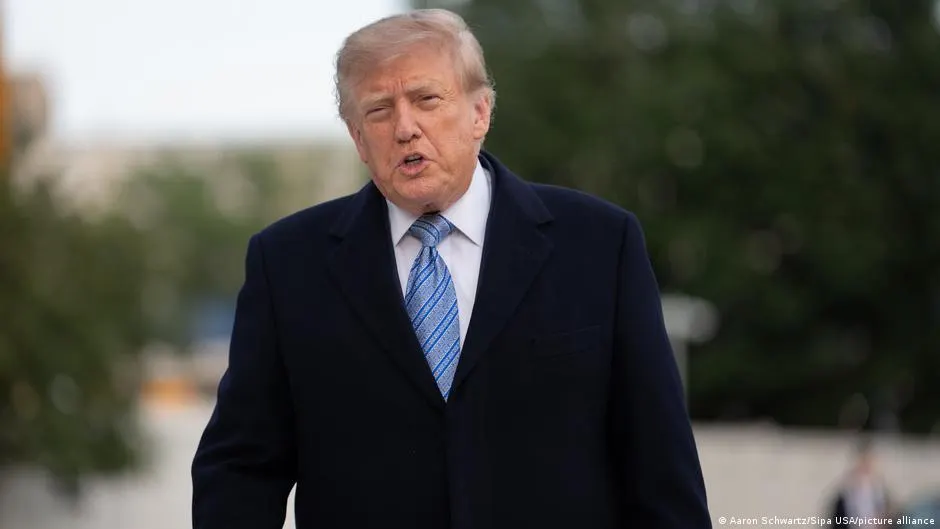
President Donald Trump said the conflict would end soon, telling reporters, "That'll be over with very soon," and that "oil prices are going to be tumbling down just like they were before," Middle East Eye reported. Qatar's foreign ministry spokesperson, Dr Majed Al Ansari, described the war as "an aggression, an unwarranted aggression against our countries," asked "How long can the international economy withstand the results of what is happening in our region?" and said Qatar's role was to "overcome the difficulties and try to bridge the gap between the two sides."32
Why it matters
European buyers, including Italy's Edison, face delayed and missed LNG cargoes from Qatar because of the war, forcing reliance on alternative suppliers and adding uncertainty to gas markets. Al Jazeera reported that continued price volatility, with Brent up 22 percent since the war began, has direct implications for European energy costs.21
Videos
Related stories
background
background
background
same place
Version history
- version 1 ·