World · United States of America, Islamic Republic of Iran
Hegseth calls US Strait of Hormuz blockade ‘ironclad’
The US defence secretary said American forces controlled the strait and had restored throughput close to prewar levels.
Hegseth portrayed US restrictions on passage through the Strait of Hormuz as completely successful, while Trump said the waterway no longer accounted for rising petrol prices. The principal operational and economic claims remain independently unconfirmed in the dossier.
- Hegseth said US forces, not Iran, controlled the strait.
- He claimed throughput was nearing prewar levels.
- Trump blamed Ukrainian strikes and US refinery closures for higher prices.
- Russia and Ukraine announced or threatened intensified attacks.
What's new
- Hegseth said the US blockade was preventing Iran from moving anything through.
- Trump said the strait was no longer causing higher petrol prices.
- Trump instead blamed Ukrainian strikes and refinery closures in Democratic-led states.
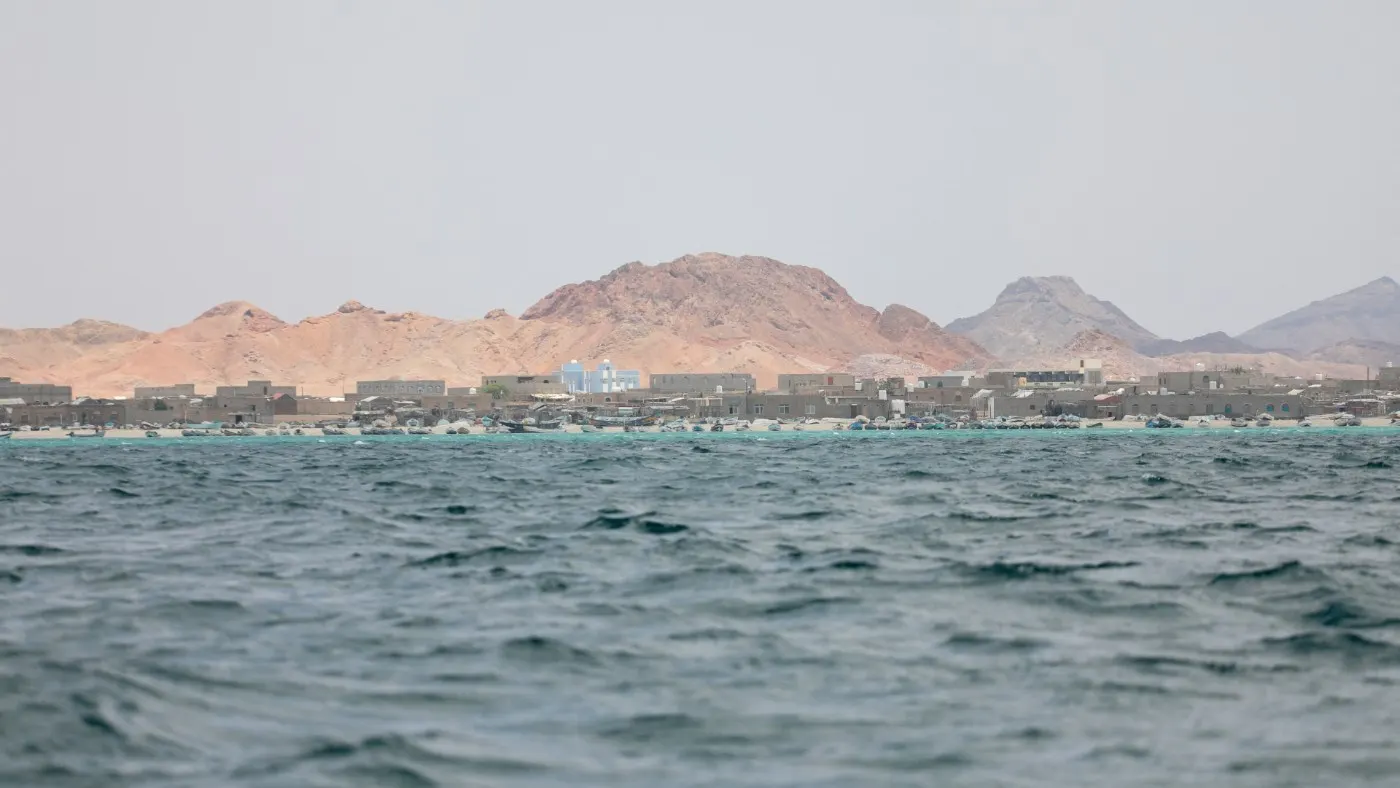
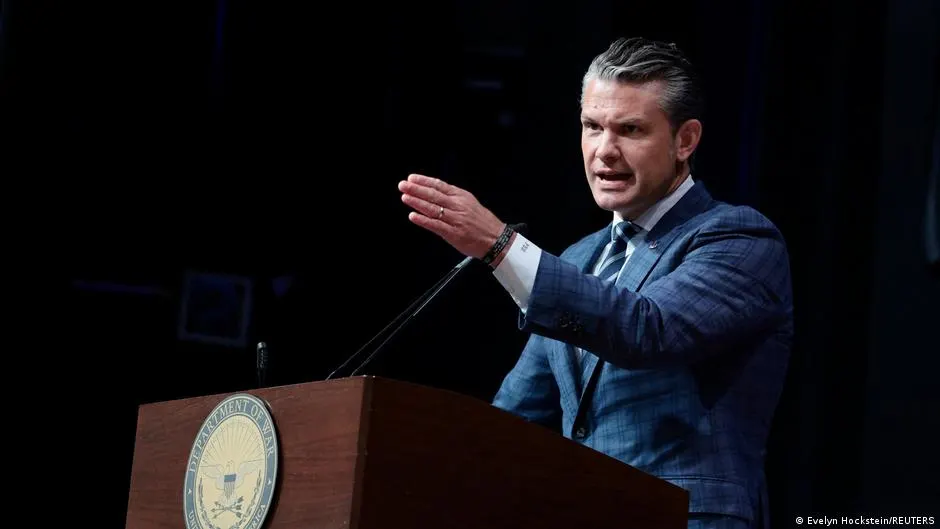
US Defence Secretary Pete Hegseth told reporters, in remarks reported on Oct 4, that an American blockade of the Strait of Hormuz was “ironclad”, that US forces controlled the strait and that throughput was approaching prewar levels each night. Those operational claims were reported by Middle East Eye, citing an Associated Press report carried by the Times of Israel, and have not been independently confirmed in the dossier.1
US claims control of the strait
Hegseth said Iran had been unable to move anything through the Strait of Hormuz and asserted that American forces, rather than Iran, controlled it. He described the United States as being in a strong position, but the available reporting provides no independent evidence confirming the blockade’s effectiveness, control of the strait or the volume passing through it.1
Hegseth also said President Donald Trump had all necessary options available if Iran did not make what he called the right choice. He added that Trump would not allow the situation to continue unnecessarily and said the United States could complete its mission when called upon. These statements were reported by a single source in the dossier.1
The defence secretary linked the pressure over the strait to Trump’s position on Iran’s nuclear ambitions. “Iran will never ever ever have a nuclear weapon,” Hegseth said, describing that outcome as a firm presidential objective.1
Trump disputes link to petrol-price rise
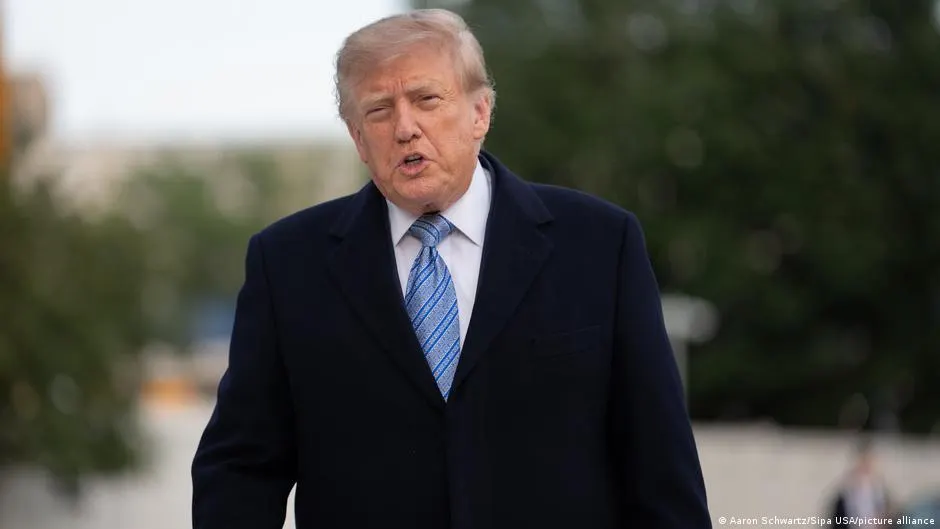
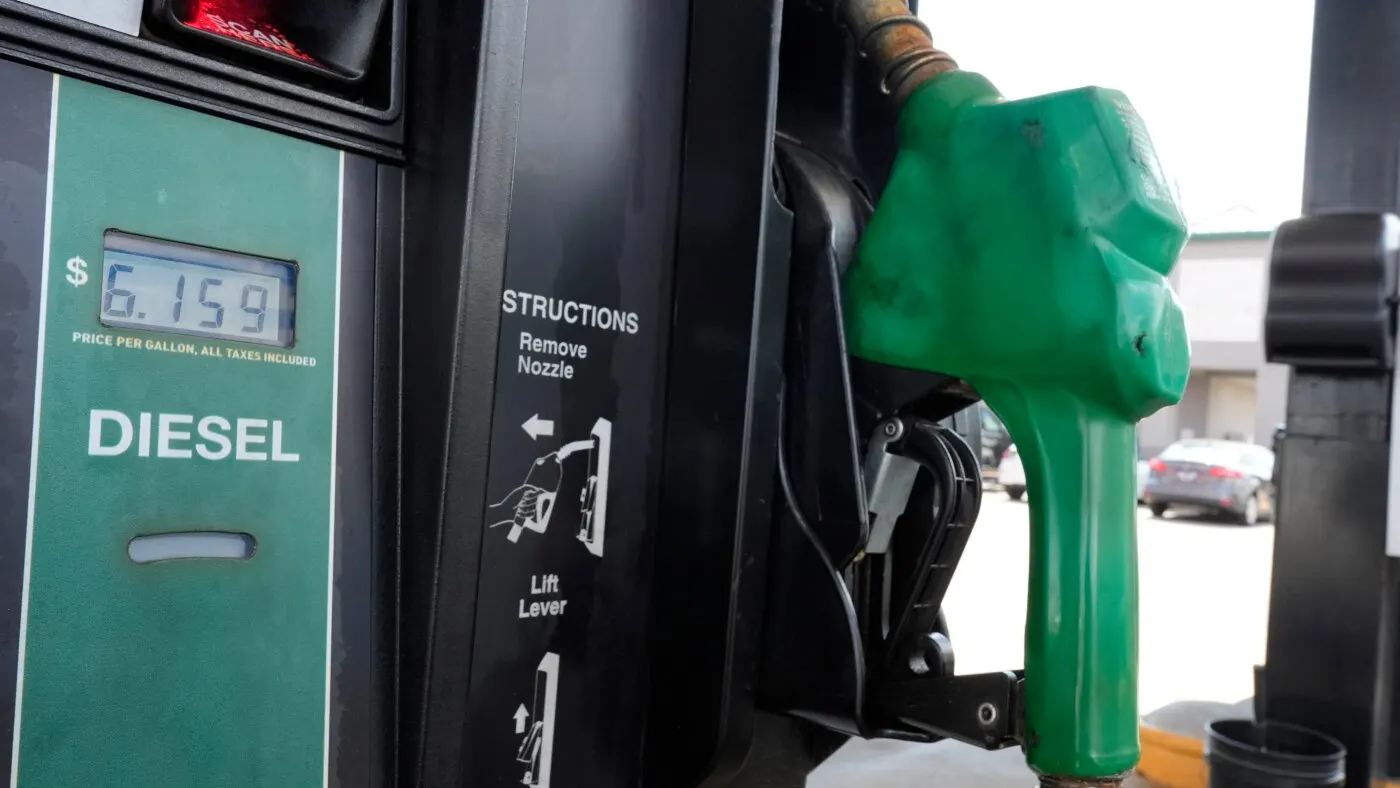
In statements reported on Oct 5, Trump said the Strait of Hormuz was no longer responsible for rising petrol prices. He said record numbers of barrels were emerging almost every day, broadly echoing Hegseth’s account of restored throughput, although neither report supplied independent figures supporting those assertions.12
Trump instead attributed the increase in gasoline prices to Ukrainian attacks on Russian energy facilities and to US Democratic Party policies. He said Russian refineries were being blown up and that refineries were closing in Democratic-led states, including California.12
The Russian-focused account said Trump made the comments in a post on Truth Social. It framed his remarks around Ukrainian strikes on Russian energy infrastructure and refinery closures in US states, while the Middle East-focused report emphasised his rejection of the Strait of Hormuz as the continuing cause of higher prices.12
Russia and Ukraine trade warnings
The Russian Defence Ministry said on Oct 4 that Russian forces would intensify attacks on military facilities and defence-industry sites in Kiev and other parts of Ukraine. The announcement came after remarks attributed to Ukrainian leader Vladimir Zelensky, who said Ukrainian authorities would step up strikes against Russian oil-processing plants after Russian attacks on Ukraine's defence-industrial facilities.2
The dossier does not independently verify the announced attacks, the condition of Russian or US refineries, or Trump’s explanation for the movement in petrol prices. It also does not provide figures for oil volumes passing through the Strait of Hormuz or evidence establishing which forces exercise operational control there.12
Why it matters
For readers in Europe, the statements bring together official claims about oil-barrel flows, petrol prices and attacks on Russian energy facilities. The available reports show that US officials are presenting the Strait of Hormuz as no longer driving higher gasoline prices, but they do not independently substantiate that conclusion.12
Videos
Related stories
same actors
same place
same actors
Version history
- version 1 ·