World · Islamic Republic of Iran, United States of America
Iran warns military escalation will not end Middle East war
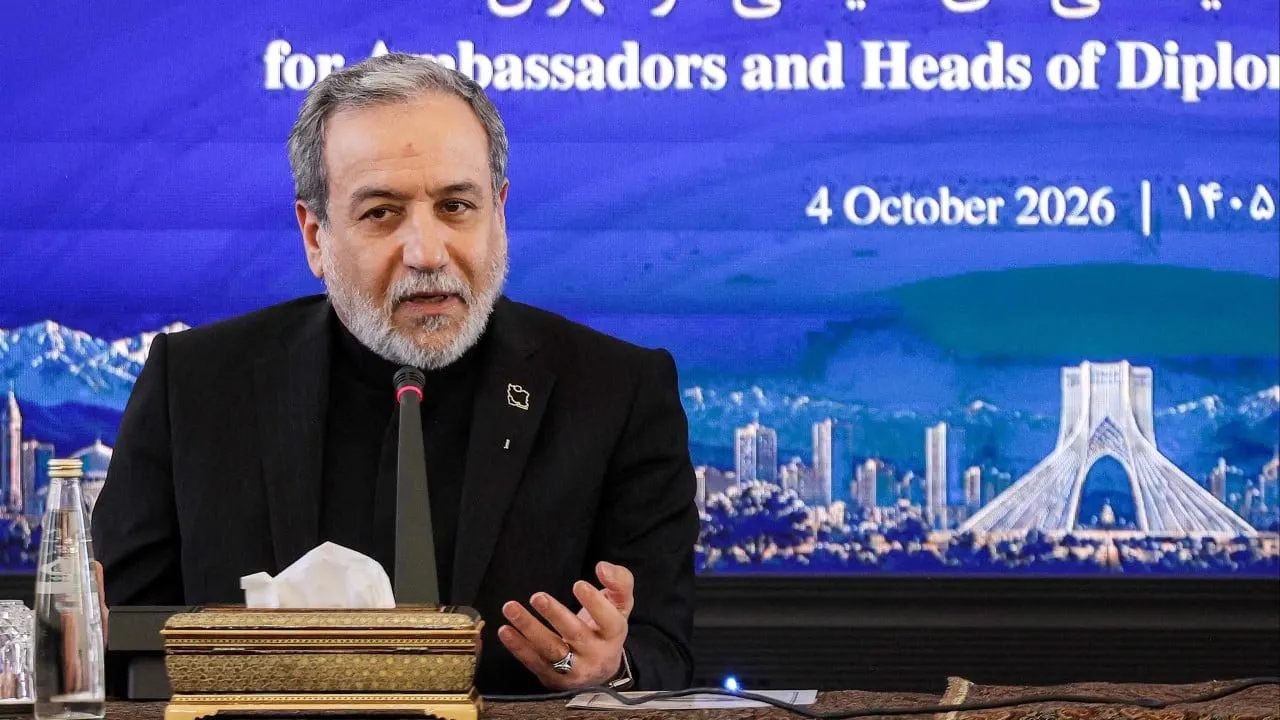
Foreign Minister Abbas Araghchi said negotiations, rather than renewed attacks or sanctions, were the only route to ending the conflict. Talks between Iran and the United States appeared stalled on Oct 4.
Iran says neither expanded military action nor new sanctions can end the war. Diplomacy appears stalled as tensions continue around the Strait of Hormuz and Washington reportedly reinforces its regional forces.
- Araghchi called negotiations the only route to ending the war.
- Iran warned renewed attacks would receive a stronger response.
- Talks between Tehran and Washington appeared stalled on Oct 4.
- The Strait of Hormuz remains central to the dispute.
- Additional US regional deployments were reported.
What's new
- Araghchi rejected military force and new sanctions as routes to peace.
- Iran warned that renewed attacks would meet a stronger response.
- The United States was reportedly reinforcing its regional military presence.
Iranian Foreign Minister Abbas Araghchi told foreign ambassadors on Oct 4 that military force would not end the war against his country, as talks with the United States appeared to have reached an impasse and tensions persisted around the Strait of Hormuz in the Middle East.1234
Warning against renewed attacks
Araghchi said Iran would use greater force to defend itself if its adversaries resumed military confrontation. He argued that neither additional attacks nor further sanctions could resolve the conflict, saying an agreement required negotiations conducted on what he described as just and fair terms.14
The United States and Israel began the war against Iran in late February. A sustained bombardment did not bring the fighting to a decisive conclusion, after which Washington reduced military operations in recent weeks and placed greater emphasis on economic pressure.23
According to The Straits Times, the United States and Israel have described the conflict as necessary to prevent Iran from obtaining nuclear weapons. The newspaper also reported that Iran has consistently denied seeking such weapons.1
Dispute over the Strait of Hormuz
Iran has attempted to blockade the Strait of Hormuz, a major passage for oil and gas shipments from the Gulf. The waterway has consequently become central to efforts to end the conflict, while a tanker in the strait was struck by an unidentified projectile.23
The Straits Times, citing the British maritime security agency UKMTO, reported that the projectile damaged the tanker's engine room but that its crew was safe. The same newspaper said Iran had sought control of the waterway since the war began and that the United States had imposed a counterblockade on Iranian ports.1
Iranian and US officials held indirect discussions on the sidelines of the United Nations General Assembly, according to The Straits Times. According to the newspaper, Iran proposed seven terms for reopening the strait, among them a regional ceasefire, the unfreezing of Iranian assets overseas, lifting oil-sector sanctions and ending the US naval blockade.1
The Straits Times reported that Donald Trump rejected the Iranian proposal while leaving open the possibilities of further talks or renewed military action. Iranian foreign ministry spokesman Esmaeil Baghaei said the latest US counterproposal addressed the same nuclear questions as earlier proposals.1
US military posture
The Straits Times reported that Washington was conducting a new military buildup in the region. Citing Axios, it said additional Patriot air-defence batteries had been sent to Saudi Arabia and Qatar and that the USS Theodore Roosevelt and its strike group were travelling to the Middle East, where two other US carrier strike groups were already reported to be present.1
These reported deployments came after Washington had scaled back operations and shifted towards economic pressure. Iranian attacks on shipping in the Strait of Hormuz subsequently prompted a return to US military operations, according to The Straits Times.123
Why it matters
The conflict concerns the Strait of Hormuz, an important route for Gulf oil and gas, while the United States is reportedly expanding its regional military presence. For European readers, the combination of stalled diplomacy, pressure on a major energy shipping passage and warnings of a stronger Iranian response makes the course of negotiations consequential.1234
Related stories
same actors
same actors
same actors
Version history
- version 1 ·