World · Israel
Eisenkot allies advance legislative agenda with Arab-Israeli backing as coalition remains unresolved
Yashar’s proposals include an independent inquiry into security failures surrounding the October 7 attack, which Netanyahu has long opposed. Arab-Israeli lawmakers backed setting parliament’s agenda despite resistance on the right.
Listen to the story
Short version
Eisenkot’s allies are pursuing legislation with Arab-Israeli backing, but a governing coalition remains unresolved.
- Arab-Israeli lawmakers backed Eisenkot’s bloc setting the Knesset agenda.
- Yashar proposed an independent inquiry into security failures surrounding the October 7 attack.
- Netanyahu has long opposed the proposed commission.
- The speaker vote is scheduled for next Tuesday.
- Divisions over Arab-led parties continue to complicate coalition formation.
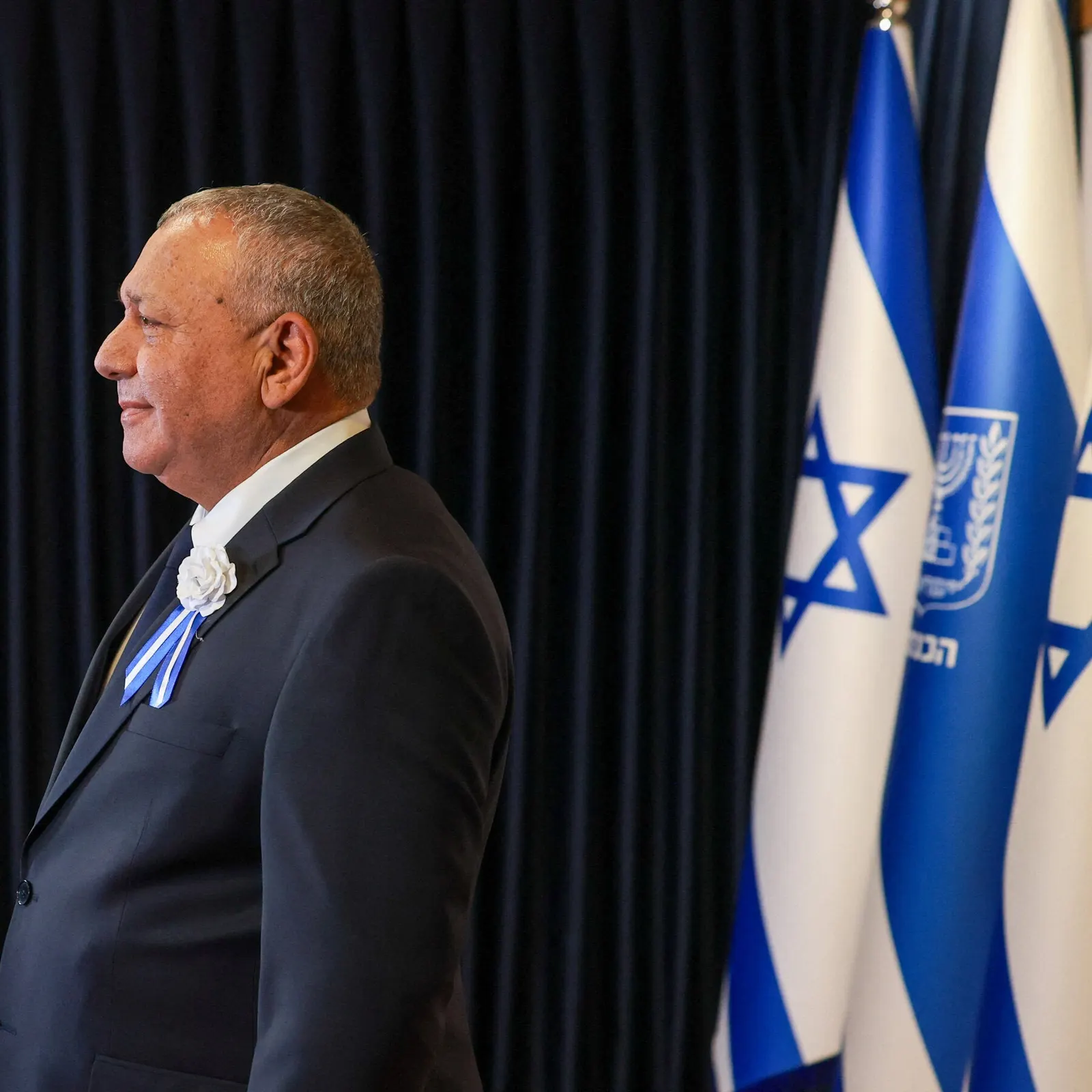
What's new
- Arab-Israeli lawmakers gave Eisenkot’s bloc approval to set the Knesset’s agenda, according to the Japan Times and France 24.
- Among Yashar’s proposals was a call for an autonomous panel to examine the security lapses that made the Hamas attack of October 7, 2023 possible.
- Netanyahu has long opposed the proposed commission, the outlets reported.
- The role of Arab-Israeli lawmakers drew opposition from Netanyahu’s base and right-leaning Eisenkot supporters.
Gadi Eisenkot and his allies moved to advance their legislative agenda with backing from Arab-Israeli lawmakers as Israel’s new parliament held its first session, according to the Japan Times and France 24. Eisenkot’s Yashar party put forward measures that included a probe, conducted independently, into the security breakdowns that enabled Hamas to attack on October 7, 2023. Agreement on a governing coalition remains elusive.45
Support without a coalition
President Isaac Herzog tasked Eisenkot, a former military chief, with trying to form a government. According to the BBC, 67 of the 120 Knesset members backed Eisenkot, compared with 46 for Netanyahu. Eisenkot has 28 days to reach an agreement and may be granted a further two weeks.2
Those endorsements differ from the election results for their respective blocs. According to the BBC, last month’s election gave 48 seats to Eisenkot’s four-party alliance and 53 to Netanyahu’s bloc. Neither secured a majority. The United Arab List and Joint List together won 19 seats, their highest combined total, according to the broadcaster.2
The United Arab List is willing to join a coalition headed by Eisenkot, whereas the Joint List has offered parliamentary backing but would remain outside the government. But three parties in Eisenkot’s bloc oppose including Arab-led parties in a coalition, the BBC reported. Avigdor Lieberman has also refused so far to support a minority administration reliant on Arab lawmakers.2
The contest for speaker
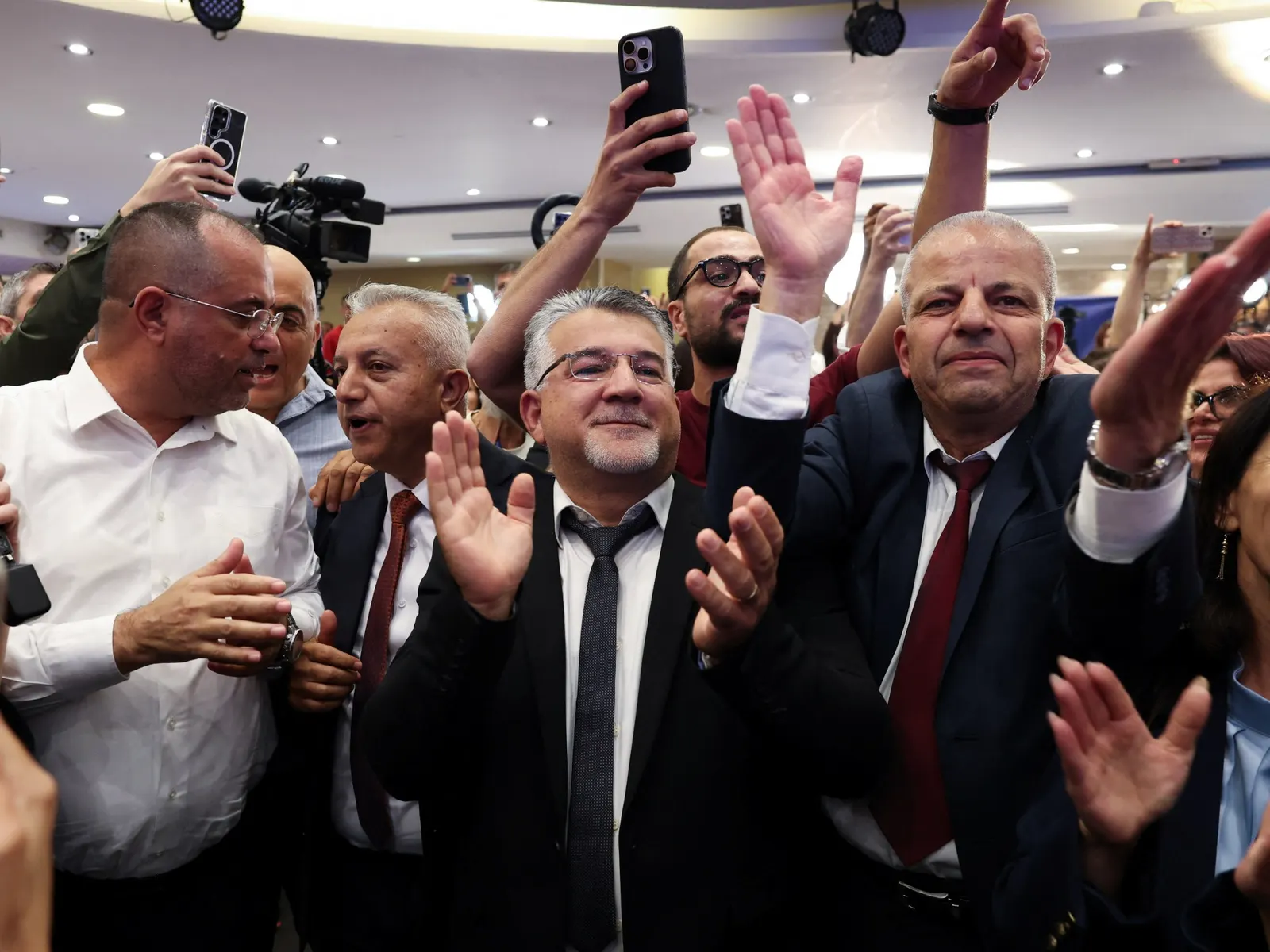
Arab-Israeli lawmakers gave Eisenkot’s bloc approval to set the Knesset’s agenda during its first session, the Japan Times and France 24 reported. Their role drew strong opposition from Netanyahu’s base and right-leaning supporters of Eisenkot. The legislative cooperation has not resolved disagreements over forming a government.45
After the new Knesset was sworn in, opposition lawmakers requested a vote to replace speaker Amir Ohana, a Netanyahu ally whose office controls parliament’s agenda. Ohana scheduled the vote for next Tuesday, according to the Guardian. The newspaper reported that replacing him would allow the six opposition parties to pursue key legislation even without forming a coalition.1
Israeli media reports cited by the Guardian suggested that Eisenkot himself could take the post. If he declines, opposition parties have agreed to nominate a representative of his Yashar party, the newspaper said. It also reported that Ohana could delay the installation of a new government by as much as a week.1
According to the Japan Times and France 24, Eisenkot’s Yashar party proposed creating an autonomous panel to examine the security lapses that made the Hamas attack of October 7, 2023 possible. Both reported that Netanyahu has long opposed the proposed commission. The opposition’s legislative priorities also include term limits and reversing the judicial overhaul, according to the Guardian.145
Preparations for the ceremony were accompanied by a warning from Democracy’s Protective Wall, a forum of more than 160 former senior security officials. According to the Guardian, the group told serving security chiefs that rightwing activists planned violent disruption of the swearing-in. The warning was an allegation about planned actions, not a report that attacks had occurred.1
Competing proposals
Eisenkot has promised to negotiate an emergency administration and has acknowledged that parties will have to compromise. Lieberman is pursuing an alternative government through cooperation with ultra-Orthodox parties, according to the Guardian. Netanyahu, meanwhile, has renewed his proposal for a unity government under his leadership, saying any Zionist party could participate, the BBC reported.12
If Eisenkot fails, other leaders would have an opportunity to form a government, according to the Guardian. Failure by all contenders would require another election, with Netanyahu and his far-right allies remaining in caretaker office. For now, the opposition’s parliamentary majority has not produced agreement on a governing coalition.123
Herzog urged lawmakers to do everything possible to avoid a second election and to seek compromise. Prolonged negotiations or another election would extend Netanyahu’s time as caretaker prime minister, according to the Guardian.1
Clashes during the swearing-in
Netanyahu attacked two Palestinian-led opposition parties during his speech, calling their lawmakers “terror supporters”. Eisenkot condemned the speech as “delusional, divisive, hate-filled and shameful”. According to the Guardian, Yair Golan, who leads the Democrats, left in protest alongside Yoav Segalovich, a former Jewish-Israeli police chief who stood as a candidate on the slate of the Islamist Ra’am party.1
The Guardian also reported that Netanyahu had promoted allegations of electoral fraud in Palestinian citizens’ communities after polling day without providing evidence described in the report. Election officials said there was no evidence of irregularities affecting the result or compromising the election’s integrity.1
Why it matters
Control of the speaker’s office would allow the six opposition parties to advance legislative priorities even without agreeing on a governing coalition, according to the Guardian. Their proposed legislation would restrict terms, investigate the attacks of 7 October 2023 and undo the judicial overhaul. Netanyahu remains caretaker prime minister while government formation is unresolved.1
Videos
Related stories
consequence
Version history
- version 3 · New reporting details Arab-Israeli backing for Eisenkot’s legislative agenda, resistance to that cooperation and Yashar’s proposed independent October 7 inquiry.
- version 2 · The Knesset has been sworn in, the opposition has requested a speaker vote and submitted legislation, and Ohana has scheduled the vote for next Tuesday.
- version 1 ·