Business · United States of America
Lyft agrees to $272.5 million California driver settlement
The agreement resolves claims that Lyft misclassified drivers and denied them wages and employment protections. It requires court approval.
Lyft agreed to a $272.5 million California settlement over claims that it misclassified drivers and withheld wages and protections. The agreement requires judicial approval.
- Officials call it California’s largest wage-theft settlement.
- More than $237 million could be distributed to drivers.
- Lyft maintains its contractor classification was lawful.
- Proposition 22 preserved contractor status for ride-hailing drivers.
- A similar California case against Uber continues.
What's new
- Lyft agreed to a $272.5 million settlement. [s1,s2,s3,s4]
- More than $237 million could go to affected drivers. [s1]
- The settlement still requires approval from a judge. [s3]
- California officials describe it as the state’s largest wage-theft settlement. [s1,s4]
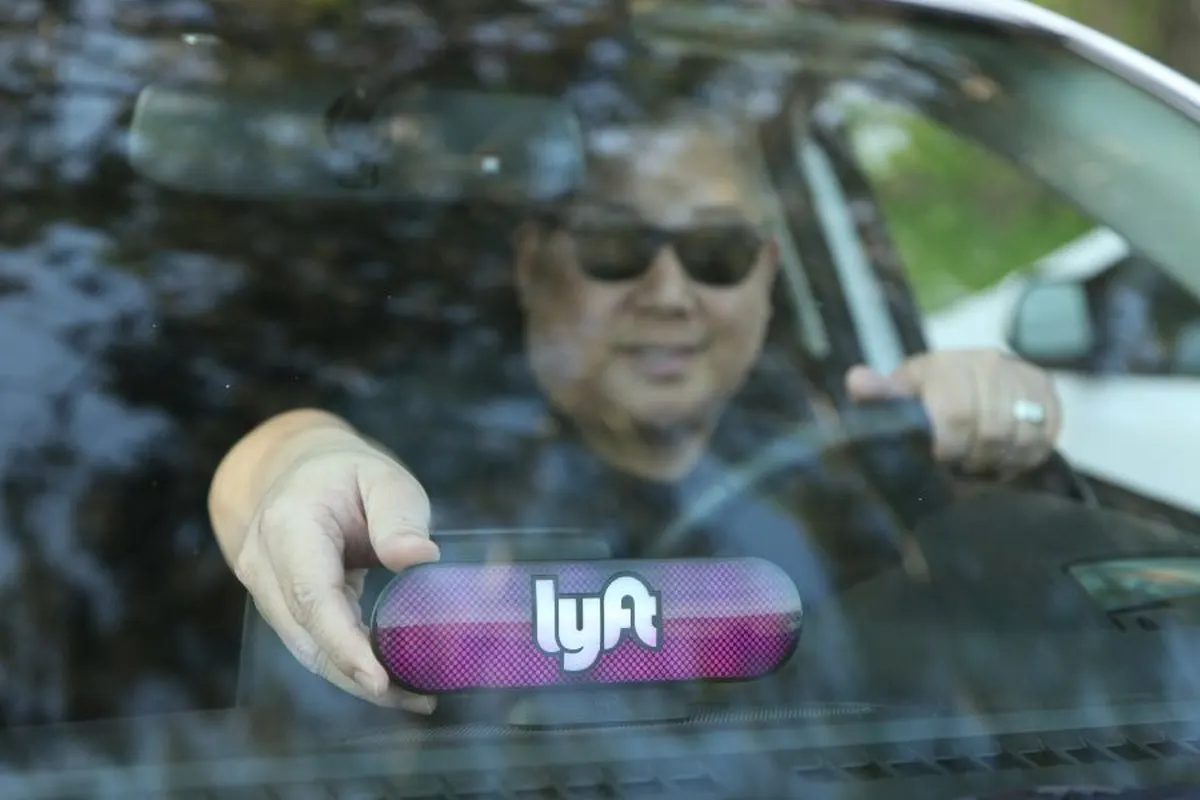
Lyft agreed on Oct 1 to pay $272.5 million to settle California claims that it improperly classified drivers as independent contractors rather than employees, resolving litigation involving the state and Los Angeles, San Francisco and San Diego. The agreement, which still requires a judge’s approval, was described by California officials as the largest wage-theft settlement in the state’s history.134
Payments to drivers
More than $237 million will be distributed among thousands of Lyft drivers involved in the litigation if the court approves the agreement, according to The Guardian. California’s Labor Commissioner’s Office will also give up its own share and direct that money to drivers who filed wage claims, TechCrunch reported. The amount each driver would receive was not specified in the dossier.13
The lawsuits alleged that Lyft denied drivers minimum wages, overtime, paid sick leave, timely wage payments and other protections by treating them as contractors when state law required employee status. Those remain allegations resolved through the settlement. Lyft has maintained that its drivers were classified lawfully and said the agreement would avoid the expense and disruption of extended litigation.234
Years of litigation
Accounts differ on when the California litigation began. The Guardian says the state’s lawsuit was first brought in 2020, while TechCrunch says the Labor Commissioner’s Office filed its case in August 2020. The Independent reports that California sued in 2021 with Los Angeles, San Francisco and San Diego. According to TechCrunch, the connected lawsuits were consolidated for coordination in San Francisco Superior Court in September 2021.134
The claims concern conduct beginning in April 2016. The Independent describes the covered period as extending through December 2020, while Ars Technica says the settlement is confined to 2016 through 2020 because California voters approved Proposition 22 in November 2020. The measure exempted ride-hailing firms from Assembly Bill 5, under which businesses such as Lyft and Uber had been required to treat gig workers as employees.234
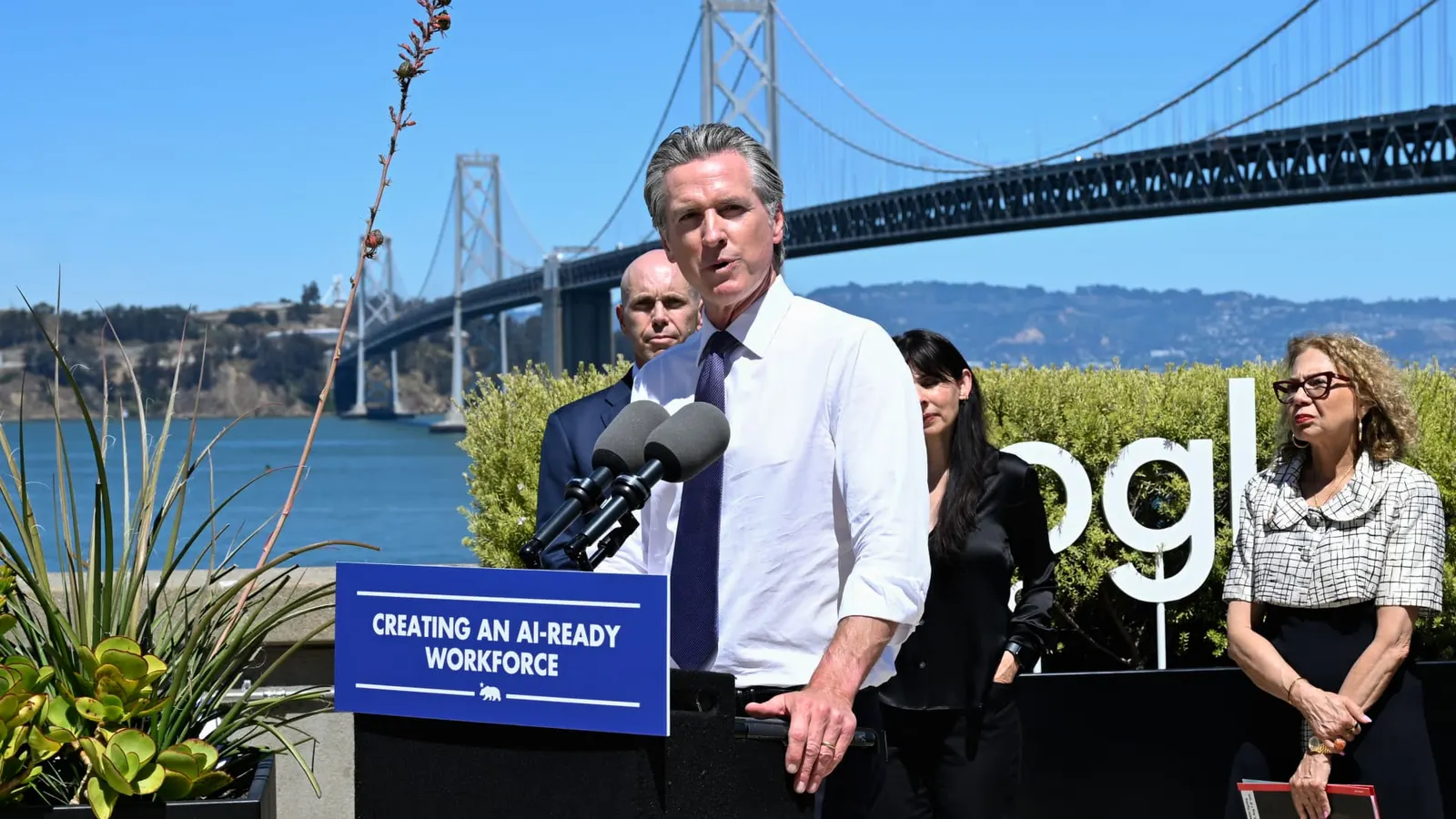
California’s attorney general’s office said its continued demands for driver wages and protections helped produce the agreement. Attorney General Rob Bonta called it a “landmark win for workers”. Labor Commissioner Lilia García-Brower said the result followed action by drivers who brought claims and spoke publicly about their treatment.13
Lyft defends contractor model
Lyft chief executive David Risher said most California rideshare drivers had consistently preferred independent-contractor status and that voters affirmed that preference by approving Proposition 22. He said the measure added benefits and protections while preserving flexibility, and that Lyft had gone beyond its requirements by introducing a fee cap. Lyft said: “we’re glad to put this case behind us.”124
Veena Dubal, a University of California, Irvine law professor and critic of Lyft and Uber, said the payment was small compared with what she believes drivers are owed and cautioned against treating the agreement as an unqualified victory. A similar California Labor Commissioner’s Office case against Uber remains in progress, according to The Guardian and TechCrunch.123
The California deal comes after Lyft and Uber reached a $328 million settlement in 2023 over comparable claims filed by New York’s attorney general. App-based transportation drivers in California are currently classified as contractors following Proposition 22, according to TechCrunch.134
Why it matters
For European readers, the case provides a large-scale example of how worker classification can determine access to wages and employment protections in app-based work. It also shows how a voter-approved exemption can narrow the period covered by litigation while preserving the contractor model.2
Videos
Related stories


Version history
- version 1 ·