World · France
Paris student rally highlights nationwide dispute over school funding
Students and teachers have demonstrated across France over staffing, facilities and education funding. In Paris, protesters have also called for money to be directed to schools rather than defence.
French school protests have spread nationwide, combining demands over staffing and facilities with calls in Paris for greater education funding.
- Paris rally drew several thousand students, TASS reported.
- Protests began in Ile-de-France in September.
- Government promises 3,000 additional supply teachers.
- A broader response plan is expected by end-October.
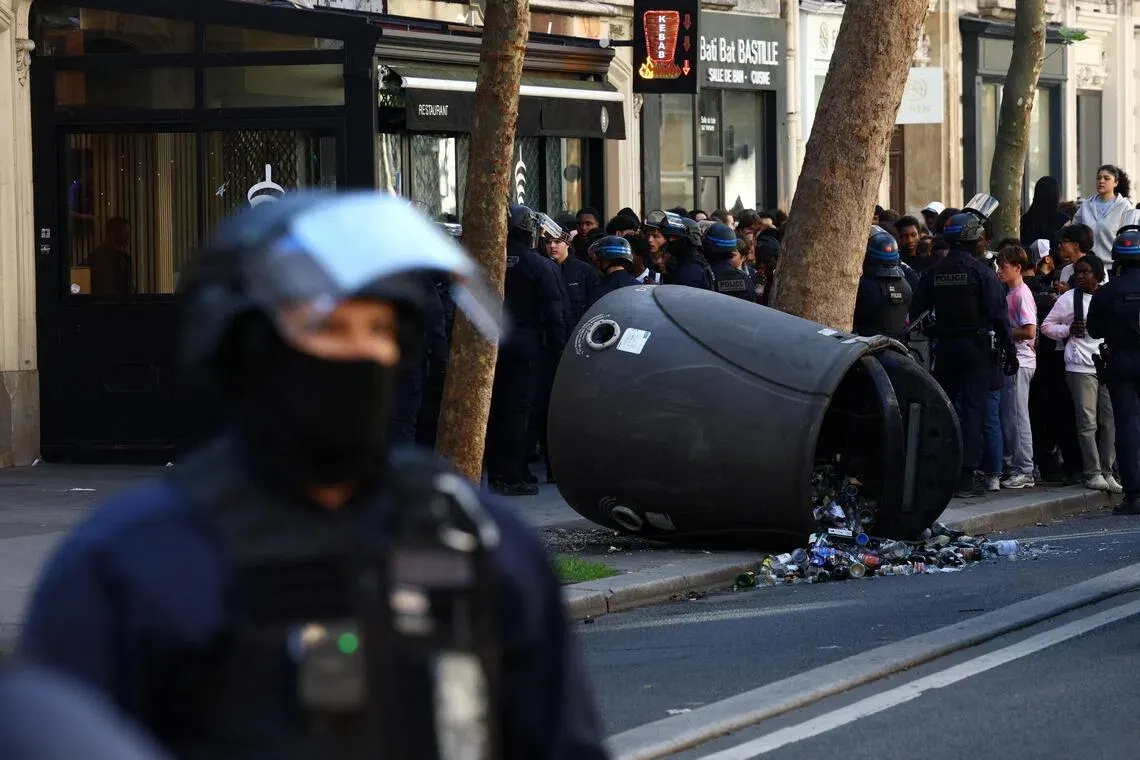
- Police and protesters have clashed in some areas.

What's new
- Paris rally draws several thousand college and high-school students, TASS reports.
- Government promises 3,000 additional supply teachers.
- A response plan is due by the end of October.
- Police and demonstrators confronted each other in Lens.
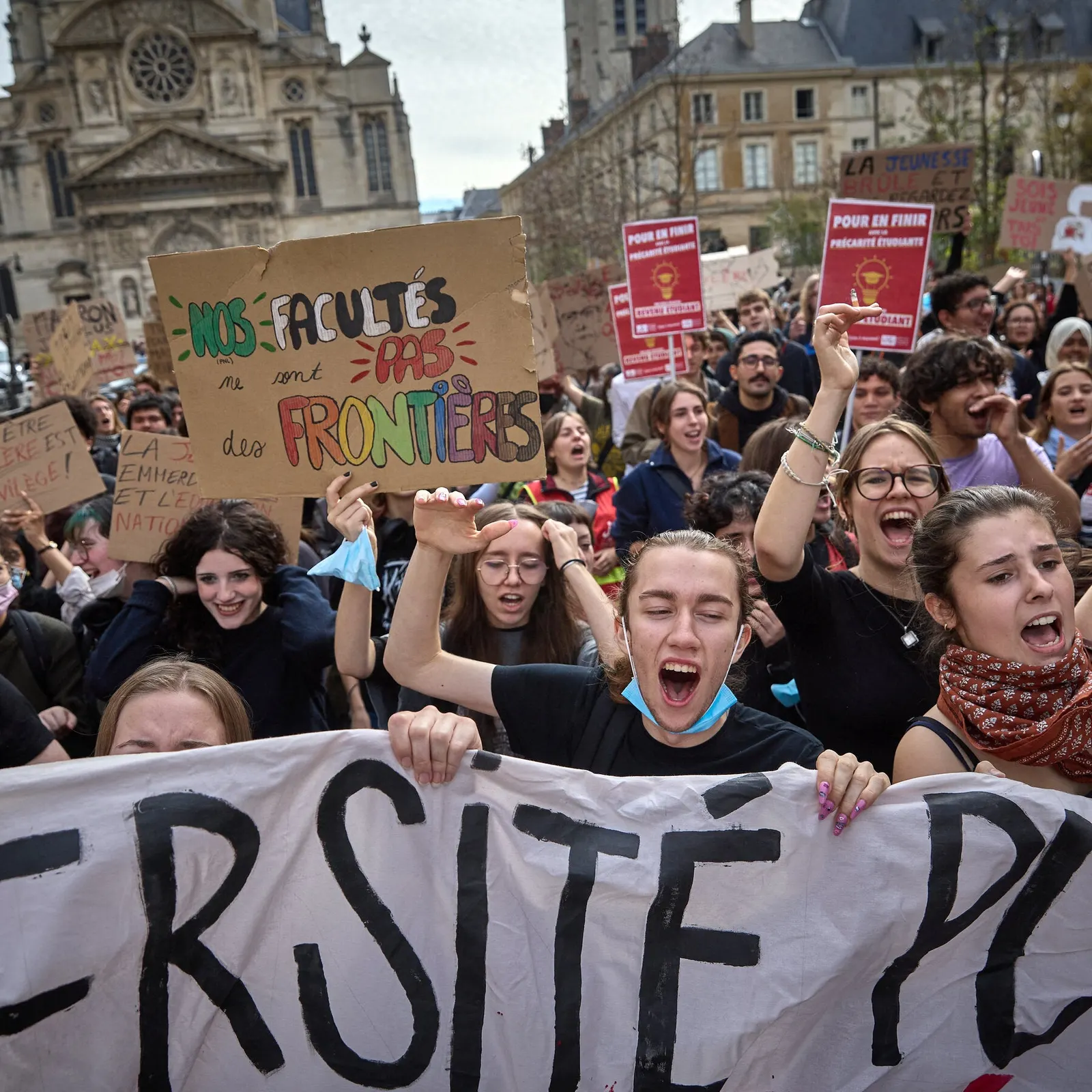
Several thousand college and high-school students rallied in Paris’s Republic Square on October 6, according to TASS, as protests that began in the Ile-de-France region in September spread across France over teacher shortages, schedules, school conditions and education funding. Demonstrators in Paris called for greater investment in schools instead of increased defence spending, TASS reported.2
A widening school protest
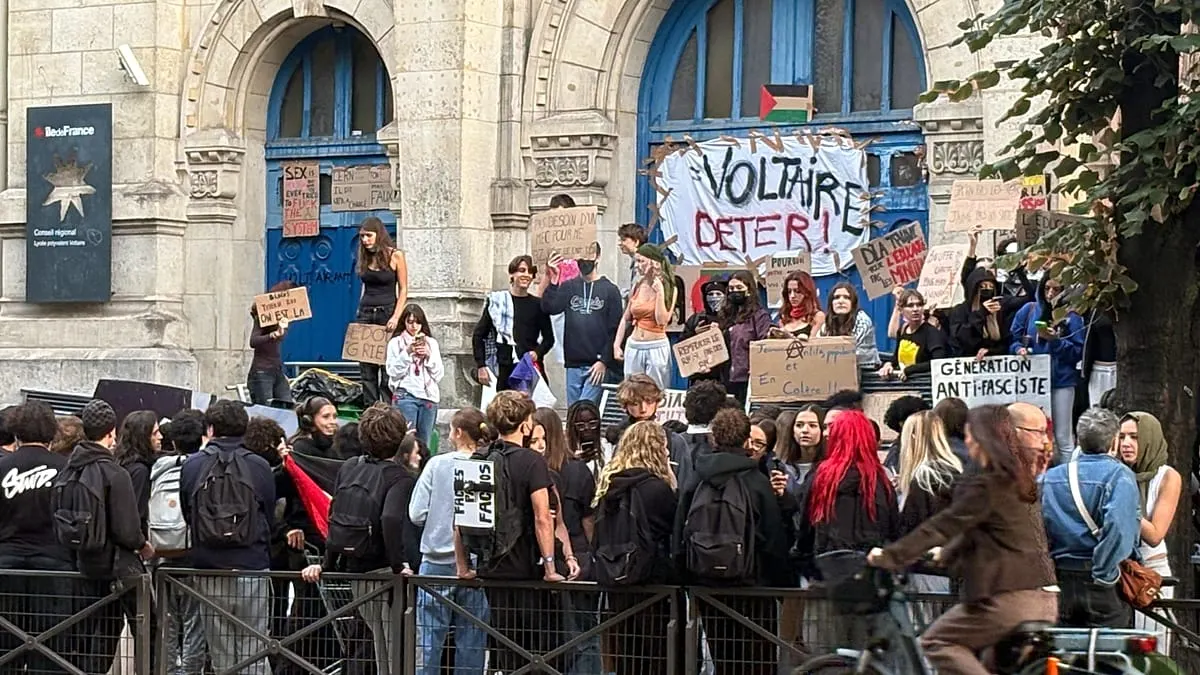
Students across France have been protesting and blocking access to many high schools since September, the BBC reported. The demonstrations have involved hundreds of thousands of people nationally, according to the broadcaster, while the government put turnout at 250,000 and trade unions at 500,000 for a later day of marches. The movement began at Lycée Antoine-de-Saint-Exupéry in Créteil before spreading nationally, the BBC reported.1
The stated grievances include staffing gaps, deteriorating buildings and demanding school schedules. A Paris student, Madalena, said: “Sometimes our teachers are absent for several weeks without being replaced”. TASS reported that participants at the Paris gathering were pressing the government to prioritise education funding over defence expenditure; that account has not been independently confirmed in the dossier.12
Capucine, a student cited by TASS, described conditions at her former school in Seine-Saint-Denis, saying it had “mold all over the place, the toilets don’t work there and there is a serious lack of teachers”. The account of conditions at that school is a single-source claim. The OECD says that France spends more per lycée student than the European Union average for upper-secondary education, according to the BBC.12
Disorder and official response
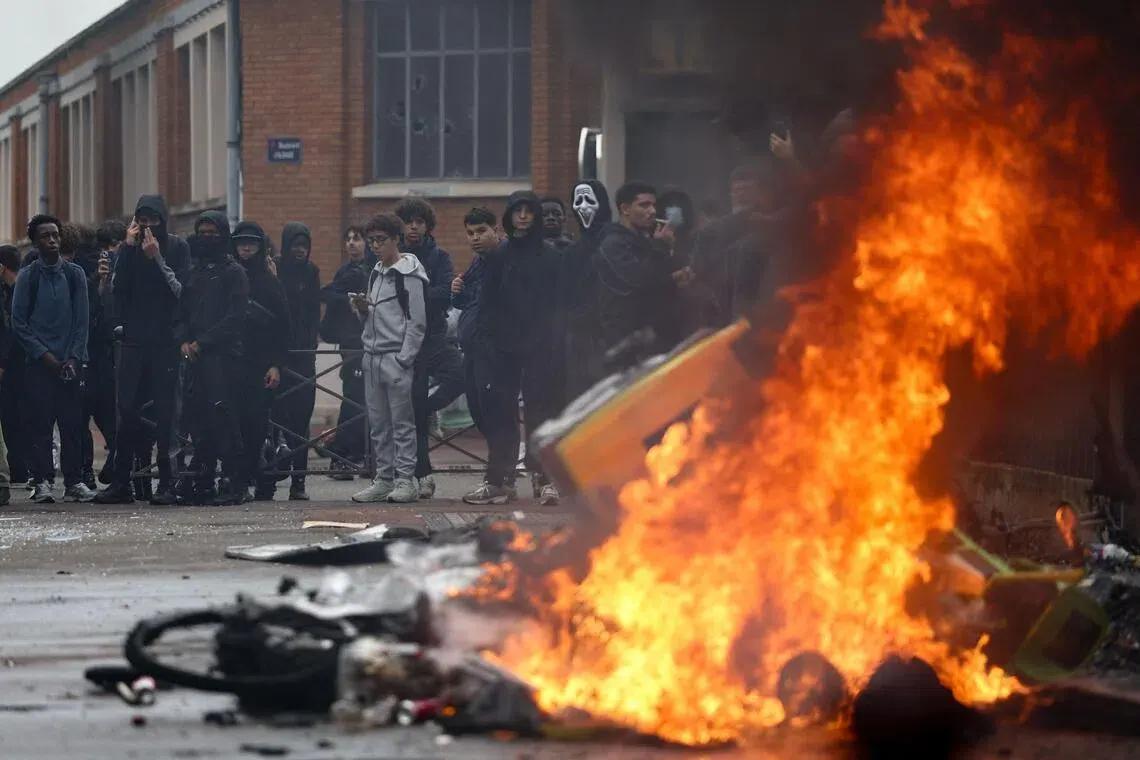
Some demonstrations have turned violent, with riot police clashing with school protesters and using tear gas, the BBC reported. It said nearly 7,000 people had been detained during the disorder, more than 85% of them children, while TASS reported more than 6,000 detentions and said 90% were minors. The differing detention totals and proportions reflect reporting at different points in the protests.12
The BBC reported that more than 700 police officers, at least 200 pupils and dozens of teachers had been injured. A 15-year-old in Lens had his hand severed amid a clash between police and protesters; according to the BBC, he may have handled a sting-ball grenade launched by riot officers, though a witness challenged that version of events. Police were subsequently barred from using stun grenades at school protests, according to the BBC.1
Interior Minister Laurent Nuñez called the movement “unprecedented” in the number of schools and pupils involved and in its violence, according to the BBC. Prime Minister Sébastien Lecornu said security forces were not instructed to confront high-school students but to enforce the law. The government has promised 3,000 additional supply teachers and said a broader plan would be presented by the end of October.1
Pressure on the government
The BBC reported that a poll commissioned for BMFTV found 72% of respondents considered the students’ demands legitimate and 55% backed the movement. The BBC also said the government is dealing with higher costs of borrowing, a budget shortfall equal to 5.4% of GDP and public debt at its highest point since the 1940s, constraining its financial room to respond to the protests.1
Earlier student movements have prompted policy changes, according to the BBC. It reported that protests in 1990 brought funding for lycées, demonstrations in 1998 led to renovation money and additional staff, and blockades in 2006 preceded the withdrawal of a labour law affecting people under 26. Whether the present movement produces comparable decisions remains unknown.1
Why it matters
The protests concern how a major European country allocates public money between education and other priorities. Their spread beyond the Paris region, alongside reported clashes and detentions, makes the response relevant to debates over school provision, public order and government spending across Europe.12
Videos
Related stories
background
follow-up
Version history
- version 1 ·