World · United States of America, Islamic Republic of Iran
Rubio says economic pressure makes major combat operations against Iran unnecessary
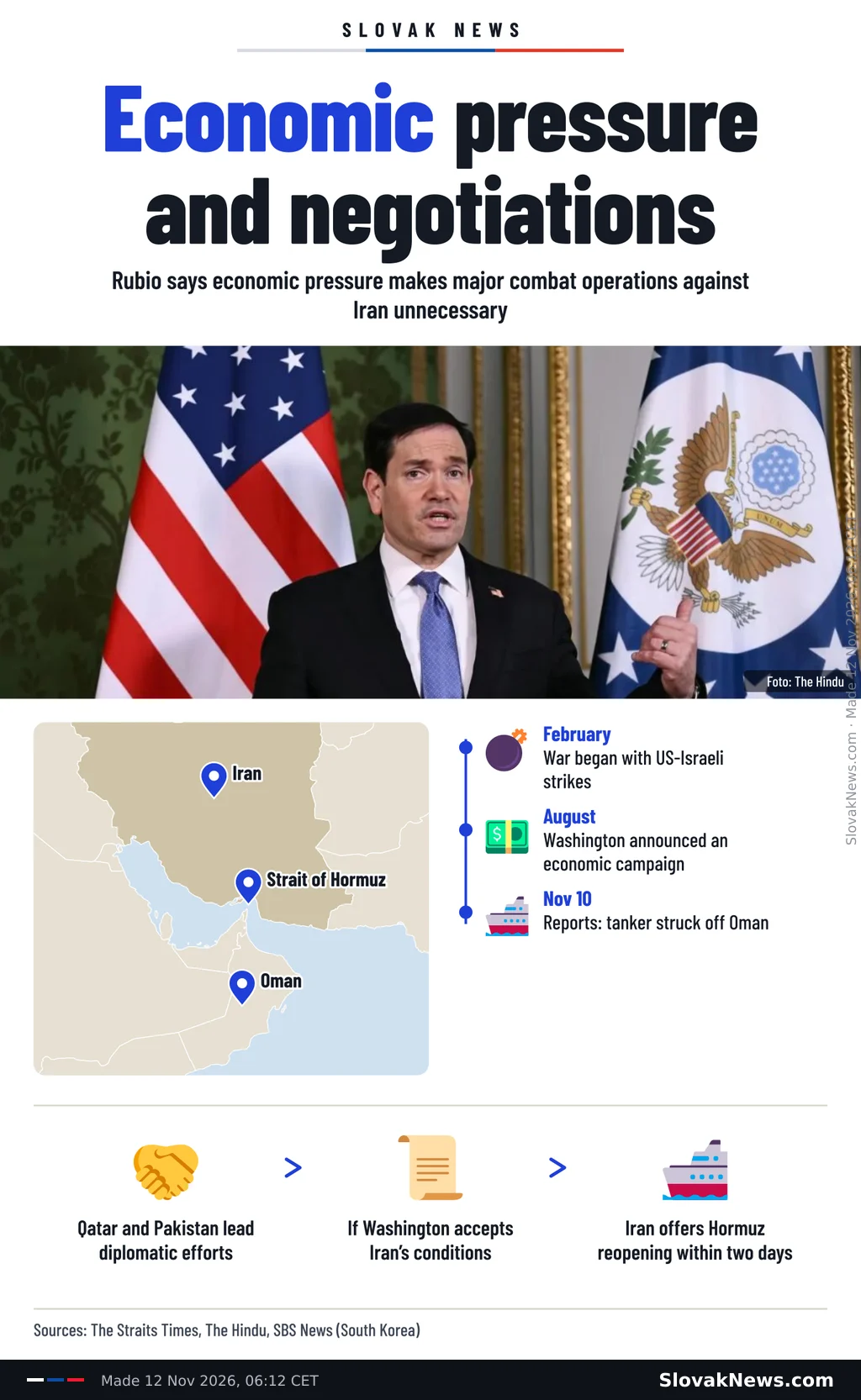
Washington is emphasising economic pressure as Qatar and Pakistan pursue negotiations. Iran has offered to reopen the Strait of Hormuz if its conditions are accepted.
Listen to the story
Short version
Rubio says economic pressure makes major combat operations against Iran unnecessary for now, while negotiations continue.
- Trump says there is progress towards ending the war.
- Iran’s offer to reopen Hormuz depends on Washington accepting its conditions.
- Qatar and Pakistan are leading diplomatic efforts.
- Maritime agencies and Iranian forces reported further incidents involving tankers.
Infographic
What's new
- Rubio says economic pressure removes the immediate need for major combat operations.
- Trump reports progress towards ending the eight-month war.
- Iran offers a conditional reopening of the Strait of Hormuz within two days.
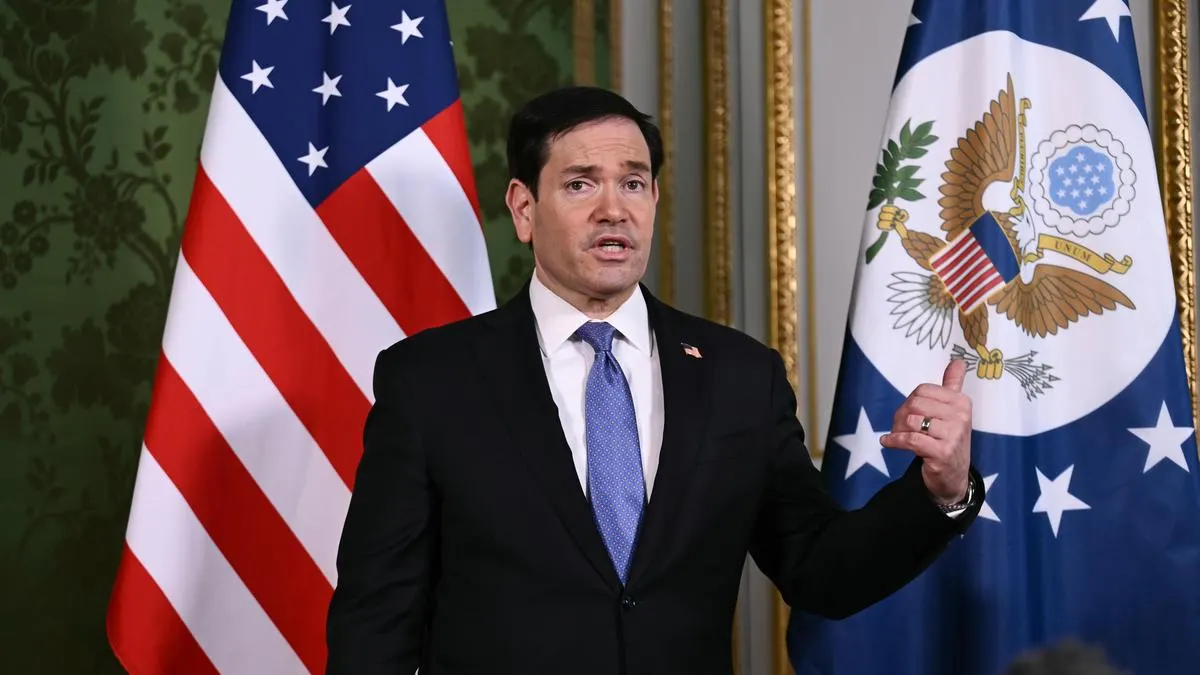
US Secretary of State Marco Rubio told allies meeting in Paris that major combat operations against Iran were unnecessary for now because of the impact of Washington’s economic campaign, according to reports published on November 10 and 11, as diplomatic efforts to end the eight-month war continued.123
Infographic
Economic pressure and negotiations
Rubio described the economic campaign as sufficient to avoid further major combat operations at present. The campaign was unveiled by Washington in August to deprive Iran of funding, while Iranian ports have been placed under a US counter-blockade.12
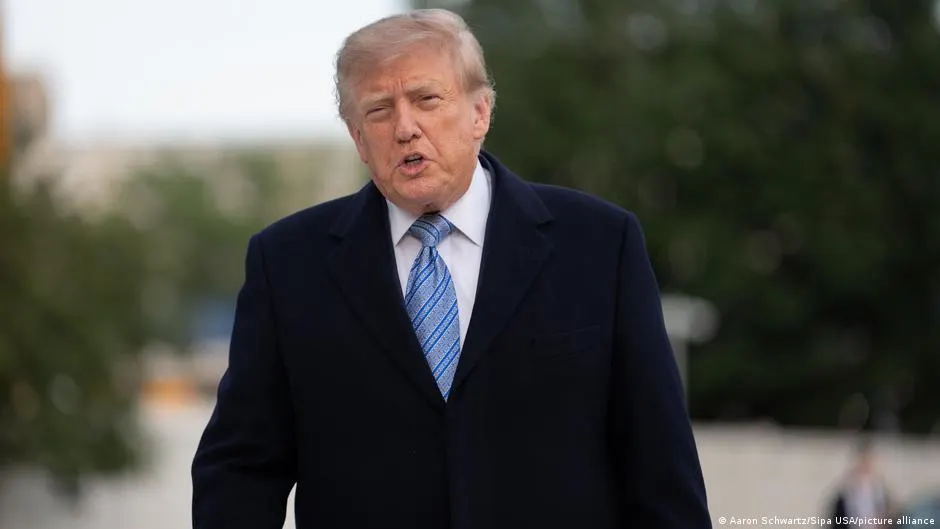
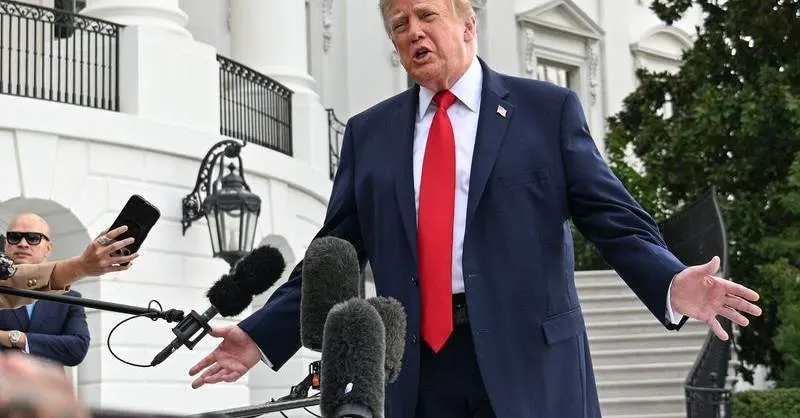
President Donald Trump said there was progress towards ending the conflict. After meeting Qatar’s prime minister, he also said additional strikes were unlikely because key Gulf allies preferred to maintain the current situation.12
The military option nevertheless remained part of Rubio’s message, according to SBS News. It reported that he warned the United States was prepared to respond if Iran crossed a red line. The outlet also reported his assessment that the blockade was depleting Iran’s oil supply and increasing economic pressure on its government.3
Iran sets conditions
Iran has offered to reopen the Strait of Hormuz within two days if Washington agrees to its conditions. Those include ending the war on all fronts, releasing frozen assets, removing oil sanctions and terminating the US blockade of Iranian ports.12
Qatar and Pakistan are leading efforts to negotiate an end to the war. Qatari foreign ministry official Ibrahim al-Hashmi said the negotiations had advanced and that the mediator was working to narrow differences between the parties.12
Iranian Foreign Minister Abbas Araghchi said neither military action nor stronger sanctions would resolve the conflict. He called instead for diplomacy and attention to Iran’s conditions. Iranian security chief Mohsen Rezaei separately urged Washington to accept the country’s demands.12
Shipping incidents continue
Reports of attacks on shipping accompanied the diplomatic activity. Emirati state oil company ADNOC reported damage to one of its vessels following an attack in United Arab Emirates territorial waters. British maritime agency UKMTO said an unidentified projectile had hit a tanker off Oman.12
The Iranian Revolutionary Guards said three oil tankers were burning in the Strait of Hormuz. The incidents were reported amid a war that started in late February, when attacks by the United States and Israel resulted in the death of Iran’s Supreme Leader, Ayatollah Ali Khamenei.12
At the G7 foreign ministers’ gathering in Paris, British Foreign Secretary Ed Miliband called for an intensive diplomatic effort to end the conflict and reopen the strait. He said the unresolved confrontation was inflicting substantial economic pain on the countries involved.12
Why it matters
The Strait of Hormuz is a major route for Gulf energy shipments. For European readers, Miliband’s warning about economic pain and his appeal to reopen the waterway connect the negotiations to the conflict’s economic consequences.12
Videos
Related stories
background
background
Version history
- version 1 ·