World · Russian Federation
Russia Plans Record 17.1 Trillion Ruble Defense Budget for 2027
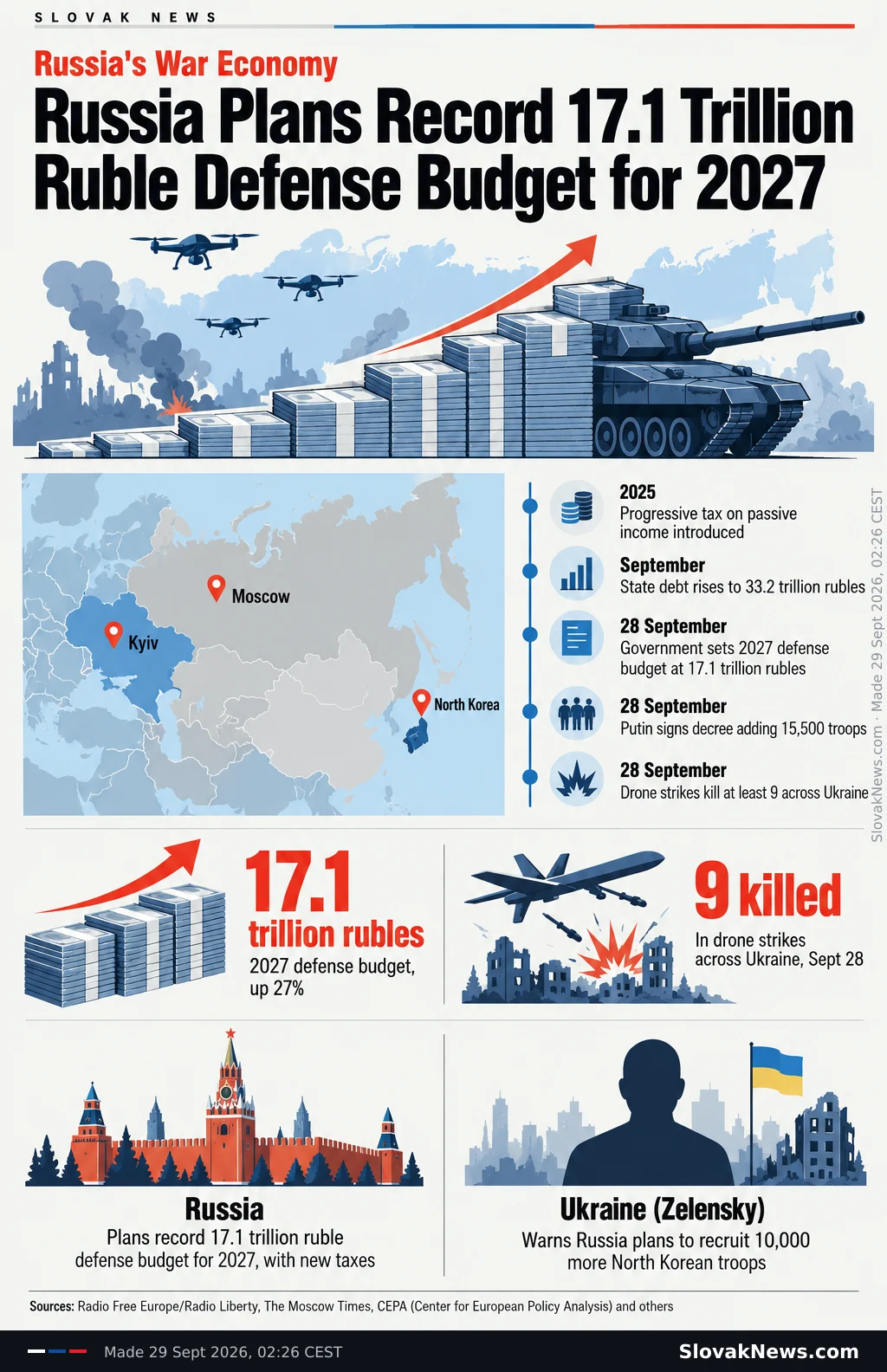
Budget documents reviewed by Reuters show a 27 percent rise in Russian military spending for 2027, alongside a wider deficit, new taxes and continued mobilization of troops.
Listen to the story
Short version
Russia's 2027 budget plan reportedly sets defense spending at 17.1 trillion rubles, a 27 percent rise, alongside wider deficits, new taxes, continued troop mobilization and deadly drone strikes in Ukraine.
- 2027 defense spending reported at 17.1 trillion rubles, up 27 percent
- 2026 deficit estimate raised to 3.2% of GDP from 1.6%
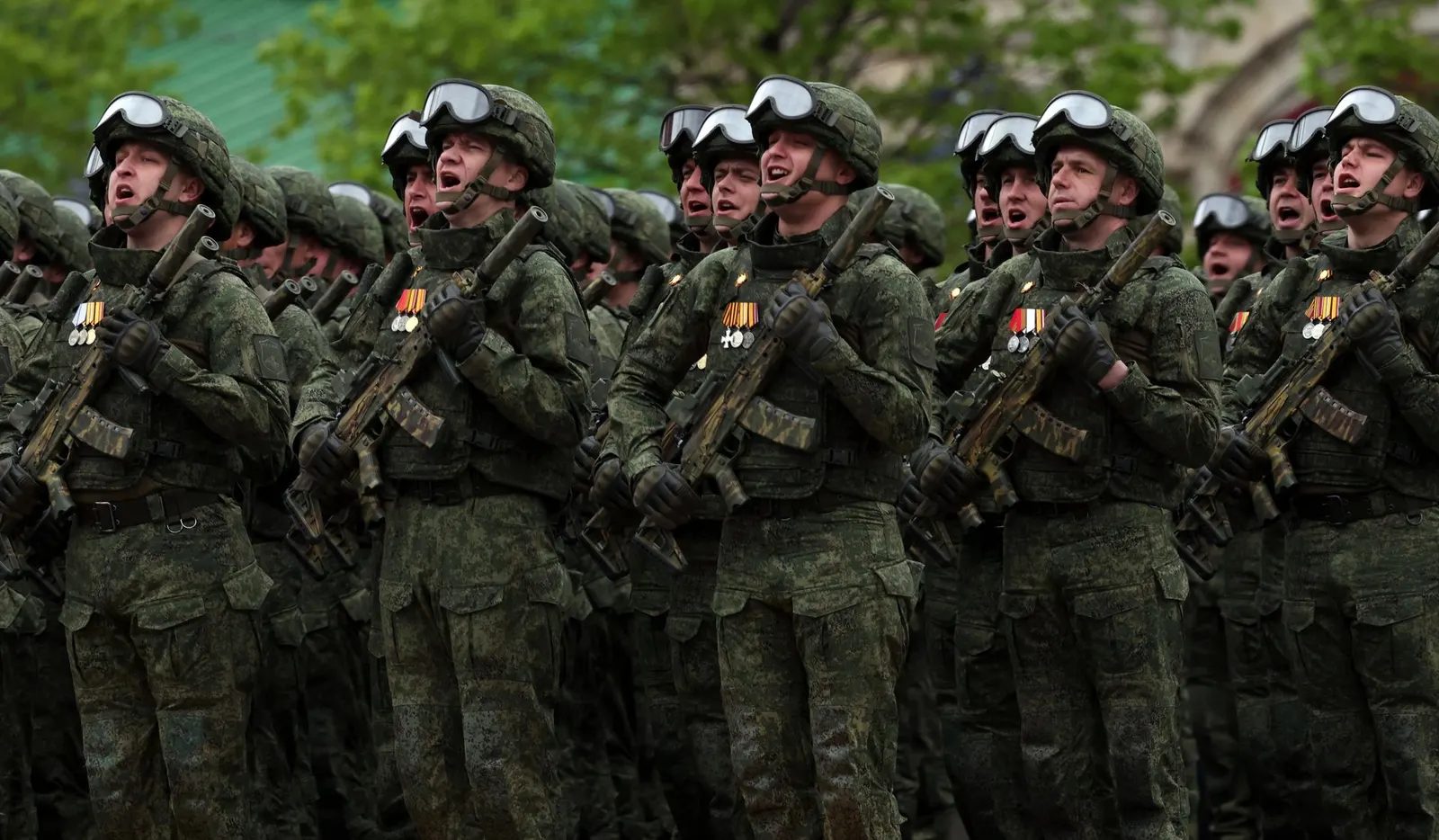
- Putin signed a decree adding 15,500 troops, the fourth this year
- Zelensky warned of 10,000 additional North Korean troops
- Drone strikes killed at least 9 people across Ukraine on September 28
What's new
- Russian government approved an outline 2027 budget with defense spending reported at 17.1 trillion rubles, a 27 percent increase
- 2026 budget deficit estimate raised to 3.2% of GDP from 1.6%
- Putin signed a decree adding 15,500 troops to the armed forces, the fourth such order this year
- Zelensky warned Russia plans to bring in 10,000 additional North Korean troops
The Russian government on September 28 approved the outline of its 2027 federal budget, which according to documents reviewed by Reuters sets defense spending at 17.1 trillion rubles, a 27 percent increase that would make it the highest level of military expenditure since the 2022 invasion of Ukraine.245
Budget pressures mount
Alongside the higher defense allocation, the government raised its 2026 budget deficit estimate to 3.2 percent of GDP, up from a previous projection of 1.6 percent, according to budget documents cited by the Moscow Times and the Kyiv Independent.24
According to the Moscow Times, the Finance Ministry lowered its projection for 2026 oil and gas revenue, bringing it down from 8.9 trillion rubles to 7.6 trillion. To cover the shortfall, the government plans to increase its net borrowing plan by 26 percent to 5 trillion rubles in 2026 and to draw 459 billion rubles from the National Wealth Fund, the outlet reported.2
Total borrowing in 2027 is set to rise by 43 percent to 7.7 trillion rubles, and state debt is projected to climb to 21.7 percent of GDP in 2027 from 19.9 percent in 2026, according to the Moscow Times. The outlet said the government also unveiled several 2027 tax increases, among them a levy on metals and mining companies projected to bring in roughly 200 billion rubles each year. The draft budget is expected to be submitted to parliament by October 1.2
Three years of rising war spending
Citing Meduza's review of the documents, Reuters reported that combined defense spending across the coming three years is expected to hit 50 trillion rubles, exceeding earlier budget plans by 3.6 trillion rubles, or 27 percent. Meduza reported that 13.5 trillion rubles had been set aside for the war in the 2025 budget, and the Kyiv Independent noted Russia's earlier plan was to spend 12.1 trillion rubles on the military in 2026.54
CEPA, in an analysis by Alexander Kolyandr, described the government as approving the outline of the 2027 budget while cutting the oil price cut-off used in the budget rule from 59 to 50 dollars a barrel, and noted that the Finance Ministry announced nominal cuts to 2026 military spending that the analysis said would likely be reversed in practice. Finance Minister Anton Siluanov said "defense and social payments come first" and that the deficit should be "no more than 3%." The CEPA piece stated: "The Kremlin is mortgaging Russia's economic future to pay for its geopolitical present."3
CEPA also reported that domestic state debt rose from 23.7 trillion to 33.2 trillion rubles in September, that household inflation expectations rose to 14.2 percent that month, and that households estimated actual inflation at 15.1 percent. A windfall tax on miners and fertilizer producers was implemented at 30 percent, with gold miners taxed at 20 percent, and the dividend tax on investors from unfriendly countries rose from 15 to 35 percent, according to the analysis.3
Mobilization and troop numbers
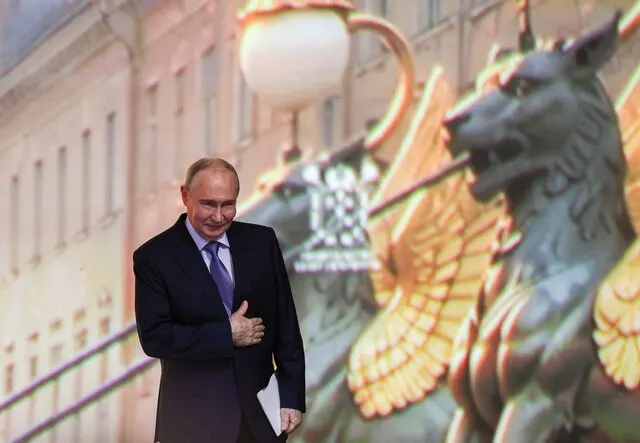
Radio Free Europe/Radio Liberty reported that on September 28, Putin signed a decree fixing the armed forces' authorized size at 2,441,630 total positions, of which 1,550,500 are military personnel. The decree stated: "The authorized personnel strength of the Russian armed forces is to be set at 2,441,630 units, including 1,550,500 military personnel." The order added 15,500 troops and was the fourth such increase this year, the outlet reported.1
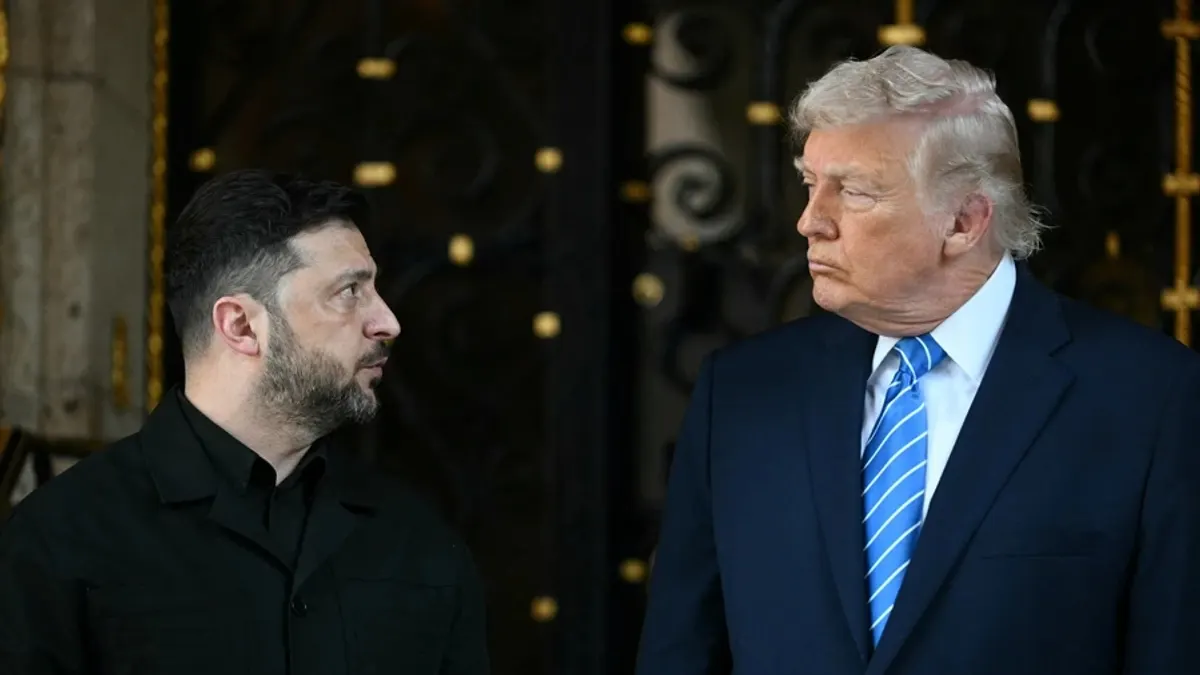
Ukrainian President Volodymyr Zelensky said Russia plans to recruit additional troops from North Korea, stating: "Russia will recruit an additional 10,000 troops from North Korea." Radio Free Europe/Radio Liberty reported that 8,000 North Korean troops brought in during 2024 remain in Russia, with preparations under way for the further deployment. The Kyiv Independent quoted a senior Ukrainian official saying, "Russia needs to recruit roughly 400,000 people a year to replenish forces," and the outlet further noted that Russia's General Staff had readied plans to call up about 300,000 personnel in both 2026 and 2027.14
Radio Free Europe/Radio Liberty reported that Russia launched a new wave of mobilization, though Putin rejected reports of new mobilization as "utter nonsense," and that Russia has suffered massive losses in soldiers, weapons and hardware since the February 2022 invasion. The outlet also noted that the United Russia party won parliamentary elections held on September 21, which were widely viewed as rigged, according to the Kyiv Independent.14
Impact in Ukraine and press freedom
Russian drone strikes killed at least 9 people and injured more than 80 across Ukraine on September 28, according to Radio Free Europe/Radio Liberty. The outlet said a drone hit the National Academy of Sciences headquarters located in downtown Kyiv, causing at least 2 deaths, and that additional blasts occurred in the capital on September 29 amid a missile warning. Ukraine's interception rate of Russian jet-powered drones stood at just below 60 percent, with 90 of 120 drones fired on September 28 described as jet-powered.1
Zelensky said of Russian interceptor technology: "New interceptors are being actively tested. He added that some units have already begun deploying them, though certain aspects still require adjustment, and that Russia is expanding its recruitment efforts through multiple channels. He stressed that action from governments matters. Regarding funding, Prime Minister Serhiy Koretskiy noted that part of the anticipated international assistance had been delayed because Ukraine had not yet met certain requirements, while Zelensky said the government was working to satisfy its obligations and secure the promised funds, emphasizing the need for cooperative efforts among lawmakers from every faction.1
Separately, the outlet reported that Russia's Prosecutor General's Office had labeled the Moscow Times an undesirable organization. The publication characterized this action as an effort to suppress independent journalism in the country and vowed to keep working, declaring: "We, the journalists of The Moscow Times, refuse to be silenced."2
Why it matters
A record Russian defense budget alongside a widening deficit and continued mobilization signals that Moscow is prepared to sustain a prolonged war effort, with implications for European security planning and for the pace of any negotiated settlement. The reported reliance on North Korean troops and new taxes to fund the war also points to strains on Russia's manpower and public finances that could shape the conflict's trajectory.21
Related stories
same actors
same actors
background
Version history
- version 1 ·