World · Russian Federation, Ukraine
Russia says it will intensify strikes on Kyiv military and industrial sites
The Russian Defence Ministry said attacks on military facilities, defence-industry sites and supporting infrastructure would increase. Ukraine separately said its long-range campaign had disabled more than half of Russia’s oil-refining capacity.
Russia says it will intensify attacks on Ukrainian military and industrial targets. Ukraine says its expanding long-range campaign has disabled more than half of Russia’s refining capacity.
- Russia announced more strikes on Kyiv and other Ukrainian regions.
- Moscow called the escalation a response to Ukrainian actions.
- Ukraine claimed over 51% of Russian refining capacity was disabled.
- Neither side’s key operational claims were independently confirmed.
- Ukraine plans further expansion of long-range strike capabilities.
What's new
- Russia announced intensified strikes on Kyiv and other Ukrainian regions.
- Moscow linked the escalation to Ukrainian attacks inside Russia.
- Ukraine claimed more than 51% of Russian refining capacity was disabled.
- Kyiv said it would continue expanding long-range strike capabilities.
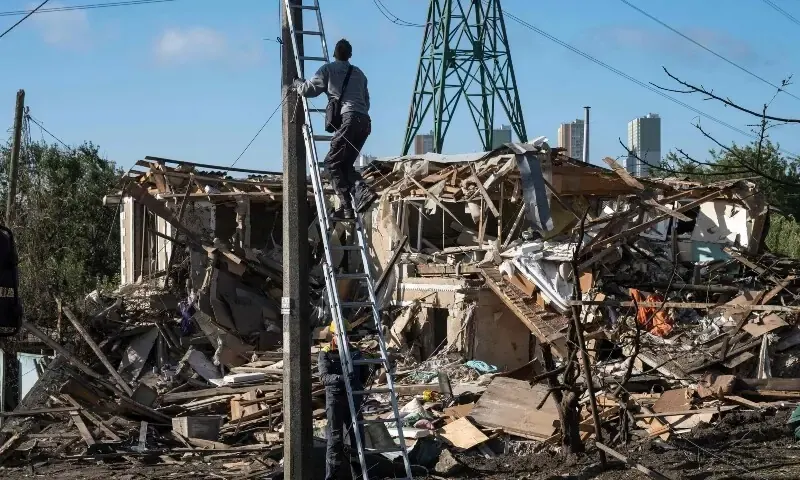
The Russian Defence Ministry said on Oct. 5 that its forces would intensify strikes on military and defence-industry facilities and related infrastructure in Kyiv and other Ukrainian regions, describing the campaign as a response to actions ordered by Ukrainian leader Vladimir Zelensky.2
Moscow announces escalation
The ministry said Russian forces were already conducting large-scale attacks on Kyiv and elsewhere in Ukraine. It held Zelensky personally and politically responsible for the increased strikes and accused him of attempting to disrupt the St. Petersburg International Economic Forum and elections. Those claims were reported by the Russian state news agency TASS and were not independently corroborated in the dossier.2
The ministry also alleged that Ukrainian missile and drone attacks on civilian sites in Russia had killed six civilians. It said an overnight Ukrainian strike hit residential districts of Belgorod where no military facilities were present, killing and wounding civilians and damaging apartment blocks, houses and vehicles. The dossier contains no independent confirmation of the casualties, damage or absence of military sites.2
Rodion Miroshnik, a Russian Foreign Ministry ambassador-at-large, said the purpose of increasing attacks on Ukrainian military facilities was to restrict Zelensky’s ability to escalate the conflict or damage Russia’s economy. He also attributed the rise in Russian attacks to Ukrainian actions during the summer.2
Ukraine reports damage to Russian refining
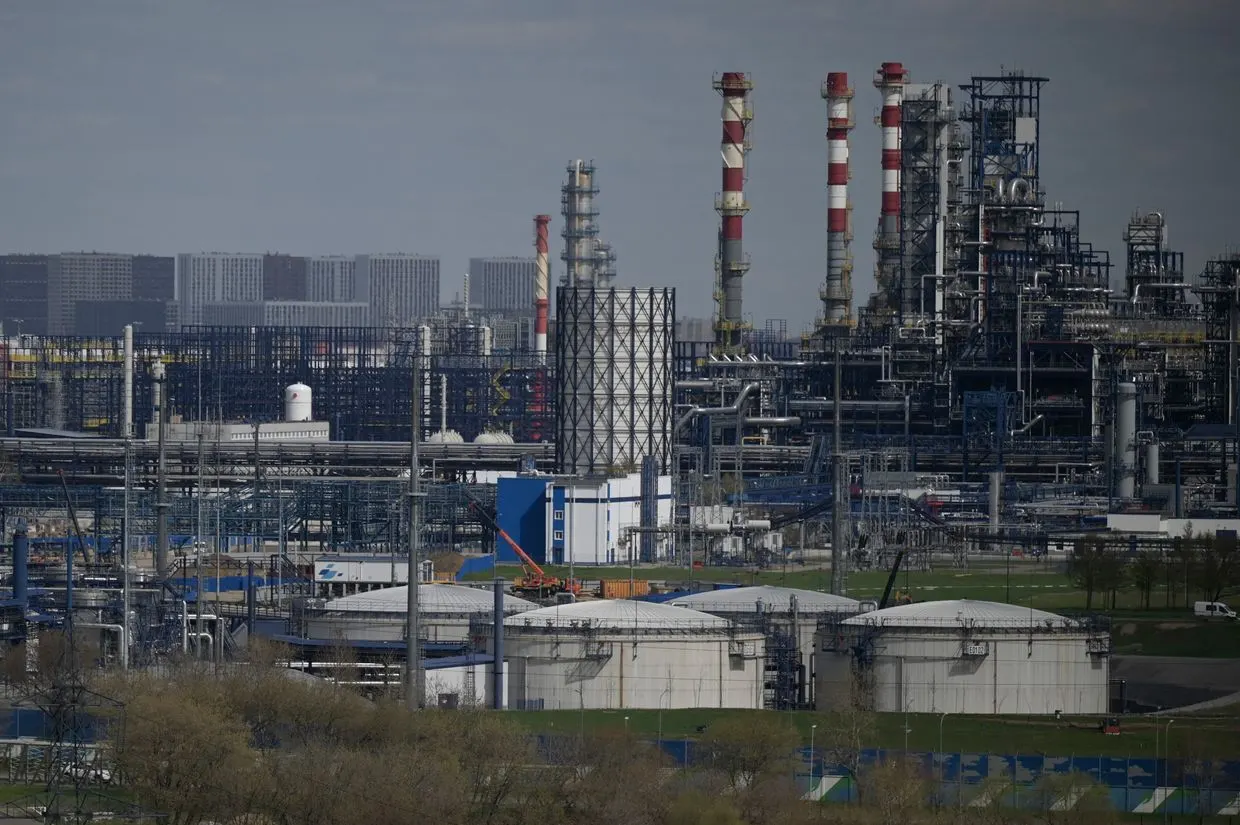
Ukraine’s Defence Ministry separately said on Oct. 4 that Ukrainian attacks had disabled more than 51% of Russia’s oil-refining capacity. It said the estimate was based on assessments by analysts from Ukrainian intelligence services, the Defence Ministry and the General Staff.1
According to Ukraine’s Defence Ministry, recent strikes included refining plants located in Moscow, Yaroslavl, Kirishi, Perm, Ilsky, Saratov and Syzran. Ukraine regards refineries as military targets because, according to its Defence Ministry, they generate funds and provide fuel used by Russian forces.1
Ukraine’s new assessment exceeds the 45% loss of Russian oil-processing capacity that its General Staff put forward on Sept. 21. On Sept. 28, Russian President Vladimir Putin signed a decree restricting access to information about Russian refineries and energy exports, according to the Ukrainian report.1
Long-range campaigns
Ukraine has targeted Russian oil and gas infrastructure with long-range weapons over the past two years, according to its Defence Ministry. The ministry said Ukrainian drones and missiles had repeatedly reached sites more than 1,500 kilometres from Ukrainian-controlled territory, and that a Fire Point FP-1 drone had hit a Russian gas installation 3,200 kilometres from the Ukrainian border.1
Ukraine said it had increased threefold both its output and acquisition of drones for deep strikes in 2026, with plans to build up this capacity further. Defence Minister Yevhen Khmara said damage to refining capacity affected Russia’s economy, its ability to continue military operations and its capacity to supply military formations.1
The Russian and Ukrainian statements describe widening attacks against military, industrial and energy-related targets. Russia says its planned escalation is retaliatory, while Ukraine presents its refinery campaign as an effort to weaken Russia’s military economy. Each account comes from one side and several operational claims remain unverified in the available reporting.12
Why it matters
The Russian announcement covers military and defence-industry facilities in Kyiv and other Ukrainian regions, while Ukraine says it will continue expanding attacks deep inside Russia. For readers in Europe, the statements show both governments describing broader long-range campaigns against infrastructure connected to military operations and economic capacity.12
Videos
Related stories
same actors
Version history
- version 1 ·