TASR: Slovak lawmakers move social media rules to second reading
The online provisions form part of a broader government proposal intended to protect young people from radicalisation and mobilisation to violence. The draft includes age checks for social networks.
TASR says Slovak lawmakers advanced social media rules within a wider child-protection bill. The draft limits what platforms would learn from age verification and is proceeding under shortened parliamentary deadlines.
- TASR says the regulation advanced to second reading.
- The rules would cover social networks for children under 16.
- Platforms would receive only an age-eligibility result.
- The wider bill creates coordinated risk assessment and protection plans.
- Government approved shorter parliamentary deadlines.
What's new
- TASR reported that lawmakers advanced the regulation to second reading.
- Age checks would return only whether a user met the age requirement.
- The online section has been discussed with and notified to the European Commission.
- The government approved shorter parliamentary deadlines for the proposal.
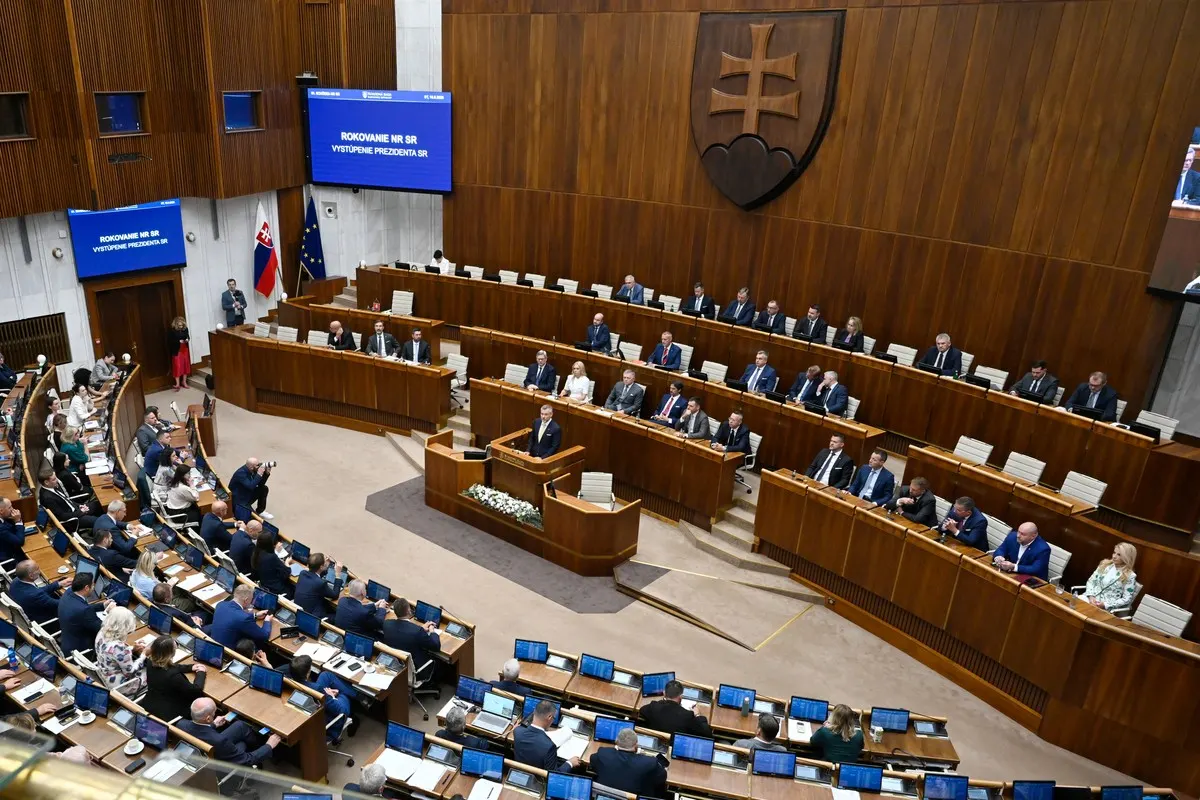
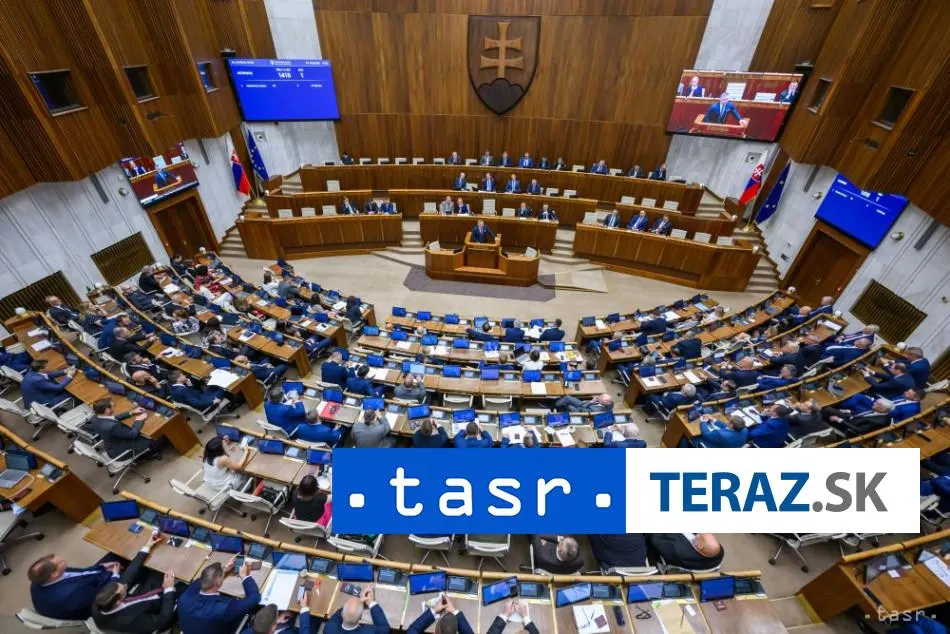
Slovak lawmakers advanced proposed social media regulation to a second reading on October 6, according to TASR. The rules, which another report said would cover social networks for children younger than 16, are part of a government bill intended to establish a coordinated system for protecting young people from radicalisation and mobilisation to violence.12
Limited information from age checks
The proposal says age verification should be arranged so that a social network operator receives only a result showing whether the relevant age condition has been satisfied.1
Noviny.sk and TV JOJ reported that the social media provisions apply to children younger than 16. The same report said the part of the draft governing the online environment had been notified to the European Commission, while Denník N reported that Education Minister Tomáš Drucker said the section had been discussed with the Commission.23
A wider child-protection system
The social media measures sit within a broader Education Ministry proposal. According to Noviny.sk and TV JOJ, the bill seeks to create one system for identifying and addressing risks of radicalisation and mobilisation to violence among children and young people. Its intended functions include recognising warning signs early, arranging expert risk assessments and coordinating assistance through individual protection plans.2
The report said possible warning signs could be encountered by schools, relatives, social workers, health professionals or police. It also said these institutions often assess such information separately at present and that Slovakia lacks a single mechanism through which they can evaluate risks together.2
Accelerated parliamentary timetable
Parliamentarians began debating the proposal in its first reading on October 1, according to Noviny.sk and TV JOJ. Ingrid Kosová, a parliamentarian affiliated with PS, spoke at the start of the debate, and Denník N later reported that lawmakers had concluded the first-reading discussion that evening. TASR subsequently reported on October 6 that the social media regulation had proceeded to second reading.123
The government approved accelerated proceedings, citing extraordinary circumstances and what it described as a deteriorating security situation in Slovak schools, Noviny.sk and TV JOJ reported. The shortened procedure affects parliamentary deadlines only, according to the report. It said the draft had already undergone the standard legislative process, including interdepartmental review and consideration by the government’s Legislative Council.2
School attack and preparation of the draft
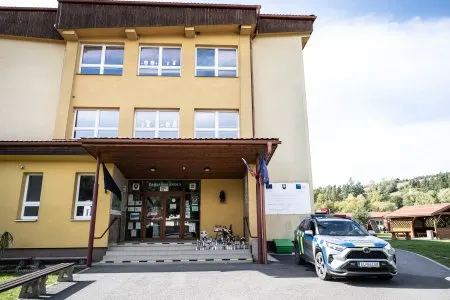
The parliamentary discussion was reported on the same day as an attack by a student at an elementary school in Staškov, in the Čadca district. Noviny.sk and TV JOJ said a teacher was killed and other people were injured. The outlet framed the parliamentary debate around efforts to improve the protection of children following the attack.2
Drucker said the proposal had been prepared with experts over more than a year, according to Denník N. The National Council and TASR separately listed an October 6 first-reading vote on the government proposal concerning protection from radicalisation and mobilisation to violence.34
Why it matters
The proposal combines restrictions affecting young social media users with a broader system for detecting and jointly assessing warning signals. Its European dimension includes the reported notification of the online provisions to the European Commission and a design under which platforms would receive only the result of an age-eligibility check.123
Related stories
background
same place
Version history
- version 1 ·