Sport · United States of America
Trump pushed for Rose’s baseball eligibility change before pardon, report says
The Japan Times reports that MLB commissioner Rob Manfred acknowledged Trump’s push to change Pete Rose’s eligibility. Rose’s baseball ban ended posthumously in May 2025, through a process separate from the tax pardon that followed.
Manfred acknowledged Trump pushed for Rose’s eligibility change, The Japan Times reports. That baseball decision preceded the separate posthumous tax pardon.
- In May 2025, Manfred lifted Rose’s ban from baseball after his death.
- Trump granted Rose a posthumous pardon over his 1990 tax conviction.
- According to the BBC, the pardon has no effect on Rose’s standing with the Hall of Fame.
- Hall of Fame induction remains possible no earlier than 2028.
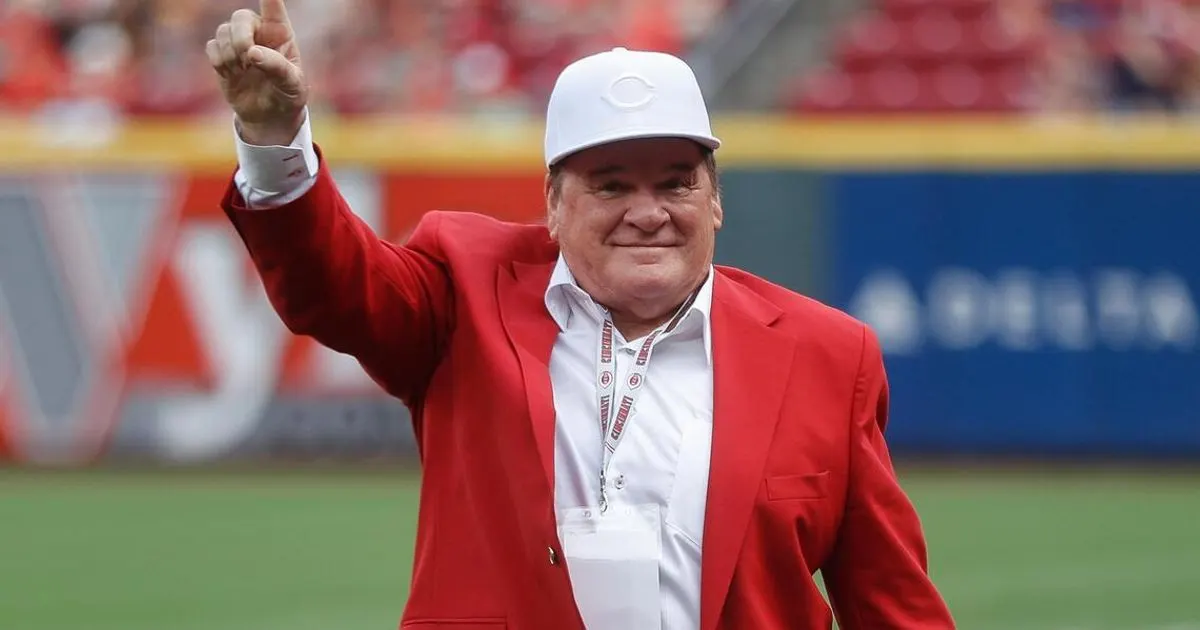
What's new
- The Japan Times reports that Manfred acknowledged Trump had pressed for a change in Rose’s eligibility status.
- The latest report confirms that MLB lifted Rose’s ban after his death in May 2025.
- The presidential pardon concerns Rose’s tax conviction; the BBC says it does not change his Hall of Fame status.
MLB commissioner Rob Manfred acknowledged that US President Donald Trump had pushed for a change in Pete Rose’s baseball eligibility, The Japan Times reported on November 20, 2026. Manfred removed Rose from baseball’s ineligible list posthumously in May 2025. The new reporting follows reports of Trump’s posthumous pardon for Rose’s 1990 tax conviction.4123
A pardon after death
Trump announced the pardon on Truth Social and criticised Rose’s exclusion from the Baseball Hall of Fame. According to the BBC, he described the pardon as complete and total. The president’s announcement linked his decision to Rose’s standing in baseball, although the tax conviction and his eligibility for baseball honours are separate matters.123
The BBC describes the pardon as largely symbolic because Rose is dead and it does not alter his Hall of Fame status. It also reports that the US Department of Justice does not ordinarily process applications for posthumous pardons.1
The tax case
Rose admitted that he had not reported $354,968 in income over four years. The Guardian reports that in April 1990 he admitted guilt on a pair of charges related to false tax filings, exposing him to as many as six years behind bars and $500,000 in total fines.12
The court ordered him to spend five months behind bars. The BBC reports that the sentence, imposed in July 1990, also included a $50,000 fine and community service. The Guardian says Rose repaid the Internal Revenue Service $366,042, while The Straits Times reports that he was released from a minimum-security prison in 1991.123
A separate route to baseball honours
The Straits Times reports that an inquiry determined Rose had placed bets on baseball games, leading to his exclusion from the sport in 1989. The newspaper reports that MLB commissioner Rob Manfred reinstated him in 2025. The Guardian describes Manfred’s ruling as restoring the status of permanently ineligible individuals upon their deaths.23
The Japan Times dates Rose’s posthumous removal from baseball’s ineligible list to May 2025 and reports that Manfred acknowledged Trump had pressed for a change in Rose’s eligibility status.4
That decision, rather than the presidential pardon, opened a route to Hall of Fame consideration. The BBC dates Manfred’s decision to May 2025, and both it and The Guardian identify 2028 as Rose’s earliest possible induction year. According to The Straits Times, the Hall’s veterans committee is next scheduled to consider Classic Baseball candidates in December 2027.123
Rose won three World Series championships. The BBC and The Straits Times report career totals of 4,256 hits and 3,562 games; the BBC describes his hits total as a record. The Guardian reports that he was selected as an All-Star 17 times during a playing career spanning 1963 to 1986.123
Trump’s announcement also misstated the period over which Rose accumulated his hits. The Straits Times notes that the president presented the 4,256 total as a single-season achievement, when it was the tally for Rose’s entire career.3
Why it matters
For European readers following the case, the distinction is between a presidential pardon for tax offences and baseball’s own decisions about eligibility and honours. The BBC reports that Rose’s position regarding the Hall of Fame remains unaffected by the pardon; the possibility of his consideration stems instead from Manfred’s separate ruling.12
Videos
Related stories

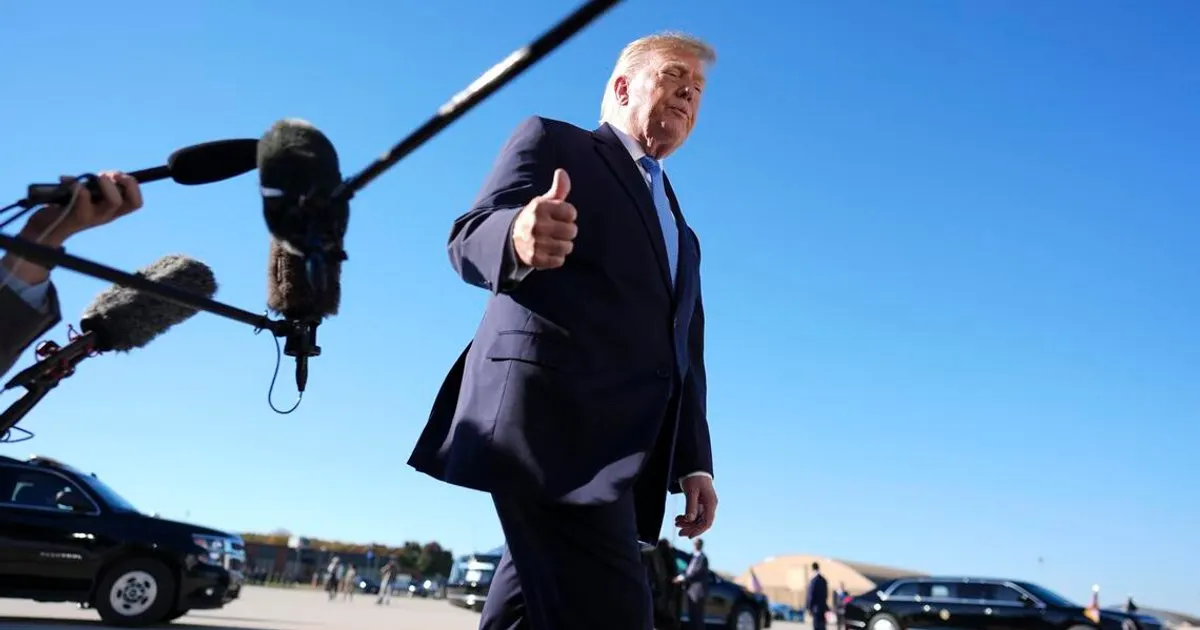
same actors

Version history
- version 2 · New reporting attributes to Manfred an acknowledgment that Trump pushed for Rose’s baseball eligibility change before the separate posthumous pardon.
- version 1 ·