Technology · United States of America, People's Republic of China
Trump Rejects Merging US-China AI Efforts After Xi Summit
After a three-day summit with Xi Jinping, Donald Trump said the United States should not integrate its artificial intelligence work with China's, while Beijing said it respects Washington's new preference for the term 'super intelligence'.
Donald Trump said on September 26 that the United States should not integrate its artificial intelligence efforts with China, after a three-day summit with Xi Jinping in Washington. Trump said America's substantial lead over China meant he preferred to keep the two countries' AI work separate, and he revealed that his administration would start referring to AI as 'super intelligence,' or SI, in its official communications. China's foreign ministry said it respects the US wording change and that parties could keep seeking consensus as the technology evolves.
No breakthrough AI agreement emerged from the summit, though the White House said the two countries agreed to a bilateral communication channel for AI incidents. That built on an earlier plan, reported ahead of the summit, under which Washington would alert Beijing to AI incidents bearing on national security — an idea that surfaced during discussions involving Treasury Secretary Scott Bessent and Chinese Vice Premier He Lifeng. Trump also said the US would not slow AI development despite concerns raised by lawmakers and tech CEOs, comparing such warnings to matters he has called hoaxes.
Trump rejected combining US-China AI efforts after his summit with Xi, while announcing a rename of AI to 'super intelligence', which China said it respects.
- Trump: US should not integrate AI work with China
- Trump renames AI as 'super intelligence' (SI) officially
- China says it respects the US wording switch
- US and China agreed on AI incident communication channel
- No breakthrough AI deal emerged from Trump-Xi summit
What's new
- Trump said the US should not integrate AI efforts with China, citing US leadership
- Trump revealed that his administration would start using the term 'super intelligence,' or SI, instead of AI in official communications
- China's foreign ministry said it respects the US wording switch
- White House said US and China agreed on a bilateral communication channel for AI incidents
Donald Trump said on September 26 that the United States should not combine its artificial intelligence efforts with China, after concluding a three-day summit with Chinese President Xi Jinping in Washington, and announced that his administration would rename AI as "super intelligence", or SI, in official communications.13
Trump on US leadership in AI
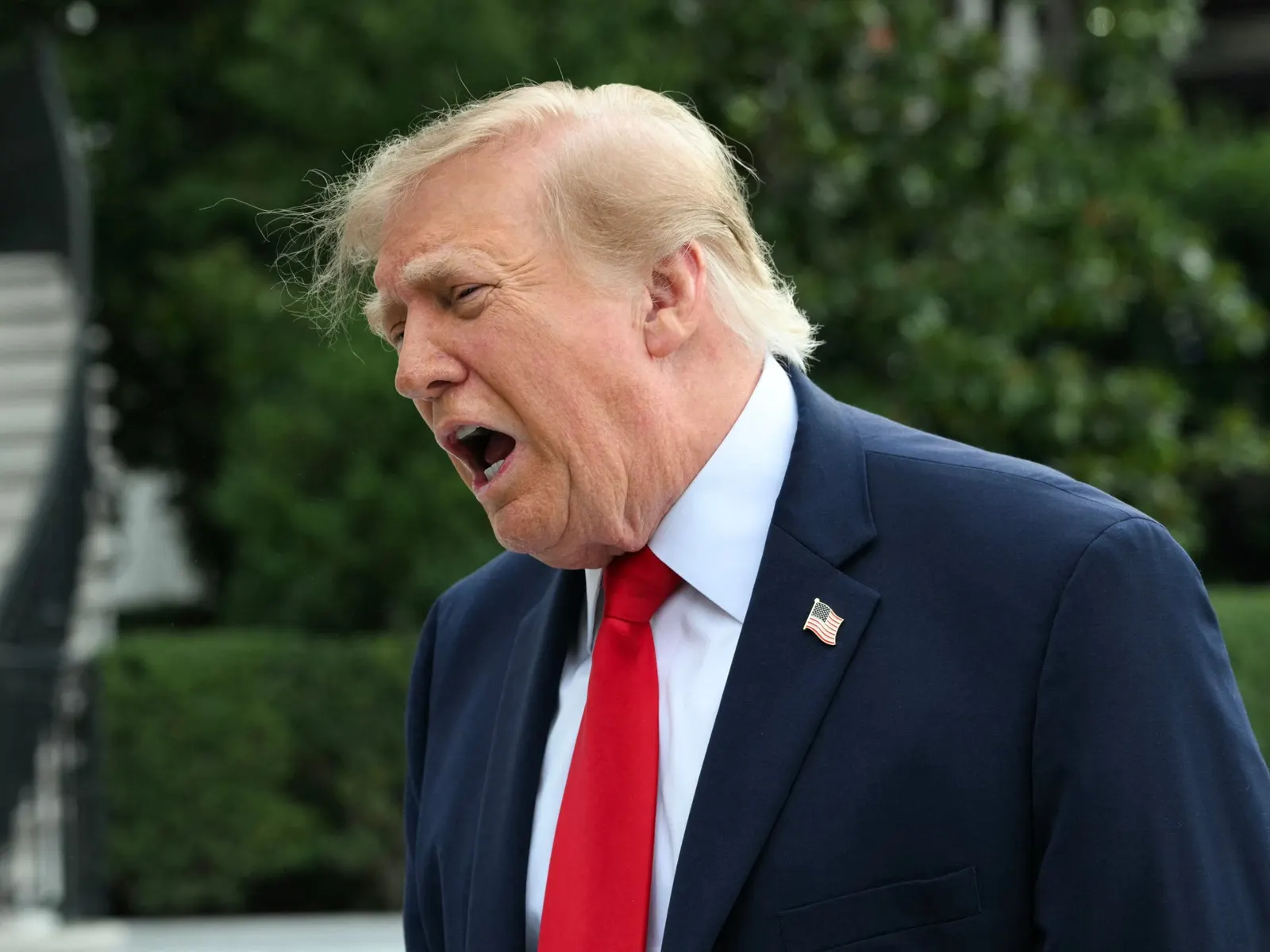
Speaking to reporters as he departed the White House, Trump said opponents of continued AI development want to halt US progress because America is far ahead of China. He suggested critics simply want to block American gains since the US is well out in front of China and intends to stay there. He noted that the topic took up only a small part of his conversation with Xi.13
Trump said he would rather not integrate AI efforts with China given the US lead. "I would rather not integrate because we're leading by a lot," he said, adding that a leading party does not open its work up to a rival: "When you're leading, you don't open it up to each other."3
According to The Hindu, Trump made the remarks despite what he described as a substantial exchange with Xi on the subject. "We had a big talk on SI," he said.3
Renaming AI as 'super intelligence'
Trump announced that his administration would use the term "super intelligence", or SI, instead of artificial intelligence in official communications. He said Xi appeared to favour the new terminology, writing, "Like almost everyone else, (Xi) seemed to like calling the poorly and inaccurately named Artificial Intelligence to a far more accurate and important name, SUPER INTELLIGENCE."12
China's foreign ministry responded that Beijing respects the US side's wording. "Regarding the artificial intelligence phrasing question, the Chinese side attaches importance to the US side's position and respects the US side's wording," a ministry spokesperson said, adding that parties could continue to seek consensus as the technology evolves: "Artificial intelligence technologies are continuously developing, all parties can strengthen exchanges, discuss in-depth and seek consensus in light of the latest situation."251
According to The Straits Times, Beijing has neither confirmed nor disputed Trump's version of how extensively AI was discussed by the two leaders during the summit.2
No breakthrough, but a communication channel
According to Al Jazeera, US lawmakers and experts had hoped the summit would produce a breakthrough agreement on AI, but no such agreement materialised. The White House said instead that the US and China had agreed to establish a "bilateral communication channel" for AI incidents, though Beijing offered no immediate comment on that specific statement.1
The Associated Press reported that Washington had put forward, ahead of the summit, a plan to alert each other about AI-related incidents with national security implications, an idea that emerged from discussions between Treasury Secretary Scott Bessent and Chinese Vice Premier He Lifeng. That earlier proposal fed into a narrower safety channel announced after the summit concluded.4
Trump also told reporters the US would not curb AI development despite calls from US lawmakers and CEOs of major US technology firms, who have cited AI's potential risk to humanity as a reason to slow its pace, according to Al Jazeera. Trump likened these calls for restraint to other issues he has previously brushed off as exaggerated, including climate change and the inquiry into alleged Russian interference in his 2016 campaign, saying that critics urging caution act as if catastrophe were imminent. He argued that predictions of doom over global warming never came true. "It's like Russia, Russia, Russia hoax. All of these different hoaxes."1
Al Jazeera also reported that UN Secretary-General António Guterres called on global leaders to put safeguards around AI, cautioning that developing it without oversight could endanger the world. Xi is set to meet Trump two more times this year, according to the same report.1
Why it matters
The exchange signals that Washington and Beijing remain divided over how closely to coordinate on AI safety even as they set up narrow channels to flag incidents.12
How the story unfolded
The story's events over time. Click a person, place or related story.
What we know
- Trump rejected integrating US and Chinese AI efforts, citing US leadership
- Trump's administration will use 'super intelligence' or SI instead of AI in official communications
- China's foreign ministry said it respects the US wording change
- Washington and Beijing agreed to create a channel for exchanging information about AI-related incidents
- No breakthrough AI agreement emerged from the Trump-Xi summit
What we don't know yet
- Whether Beijing agrees with Trump's characterisation of how much time was spent discussing AI
- Whether the US will heed calls from lawmakers and tech CEOs to regulate AI
- Details of how the bilateral AI incident communication channel will operate
Timeline
- reported 21 SeptThe US put forward a plan to notify China about AI incidents with potential national security implications.4
- reported 21 SeptScott Bessent and He Lifeng held talks before the summit.4
- reported 21 SeptA narrower safety channel was announced after the summit.4
- reported 26 SeptTrump and Xi concluded a three-day summit in Washington without a breakthrough AI agreement.1
- reported 26 SeptAs he left the White House, Trump told reporters that his administration would not slow down AI development.1
- reported 26 SeptTrump indicated that the US should avoid teaming up with China on AI, preferring to keep its efforts separate because of America's lead.13
- reported 26 SeptTrump revealed plans to have his administration refer to AI as 'super intelligence,' or SI, going forward.12
- reported 26 SeptAccording to the White House, the two countries agreed to set up a two-way channel to communicate about AI incidents.1
- reported 26 SeptChina gave an official response following the summit, saying it respects the US wording change.51
- reported 26 SeptAntonio Guterres urged leaders to enact guardrails on AI and warned unchecked development could put the world at risk.1
- reported 27 SeptChina's foreign ministry publicly confirmed it respects Washington's switch to 'super intelligence' phrasing.2
Quotes
We didn’t spend that much time talking about it
What they want to do is stop our progress because we’re leading China by a lot, and we’re going to keep it that way. We didn’t spend that much time talking about it,
I would rather not integrate because we’re leading by a lot,
When you’re leading, you don’t open it up to each other
Related stories
Version history
- version 1 · 27 September at 08:18