World · United States of America, Islamic Republic of Iran
Trump Denies Iran Sanctions Offer as Qatar Mediates Talks
President Trump rejected a report that he offered Iran sanctions relief, even as Qatari mediators continued shuttle diplomacy over a proposal to reopen the Strait of Hormuz.
Trump denied offering Iran sanctions relief as Qatari mediators worked to advance talks over reopening the Strait of Hormuz.
- Trump called Axios report on sanctions relief a 'HOAX'
- Araqchi met Qatari mediators in Doha
- Iran says Supreme Leader's conditions must be met for Hormuz reopening
- Trump rejected Iran's seven-day Hormuz proposal
- Oil prices rose amid diplomatic uncertainty
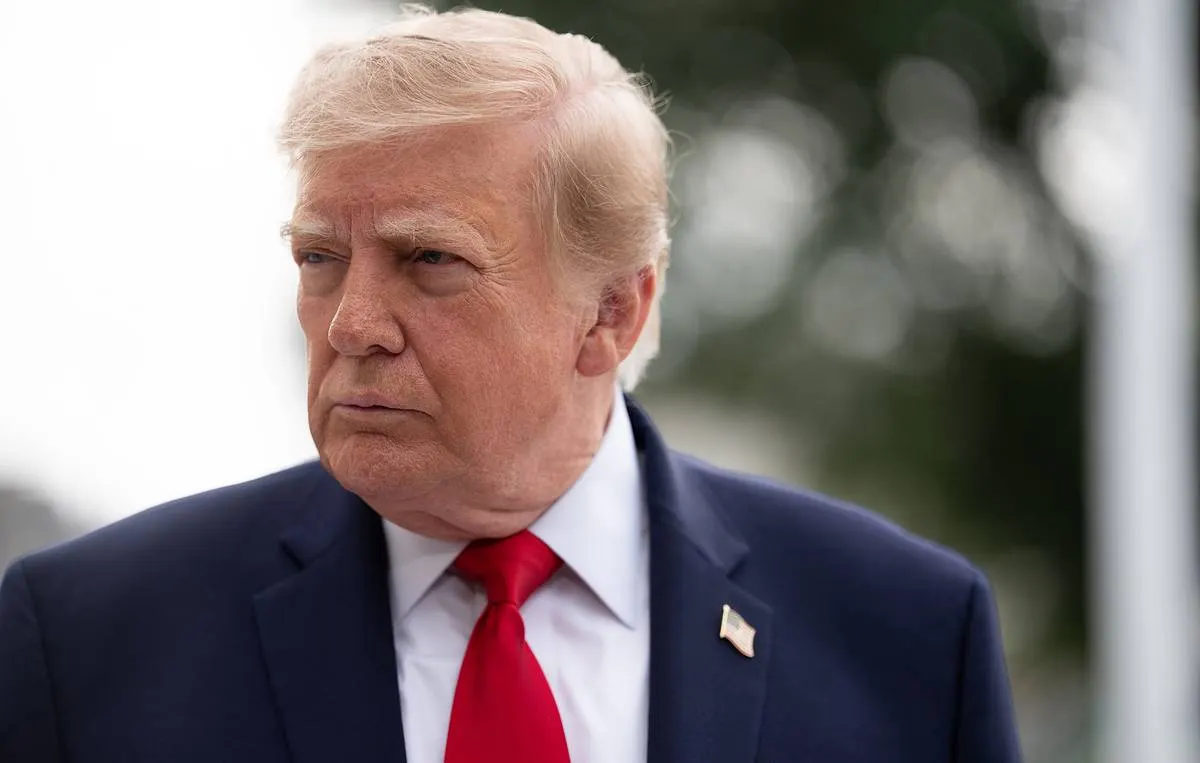
What's new
- Trump called an Axios report on sanctions relief a 'HOAX' on Truth Social
- Iran's foreign minister Abbas Araqchi met Qatari mediators in Doha
- Oil prices rose on the diplomatic uncertainty
- Araqchi said requirements set by Iran's Supreme Leader have to be fulfilled first for Hormuz to reopen
President Donald Trump denied on Sept 30 that he had offered Iran sanctions relief, after a report said he was willing to ease sanctions and release frozen funds in exchange for nuclear concessions, as Qatar continued efforts to mediate between Washington and Tehran.1
Denial and disputed report
Axios reported that Trump had signaled openness to easing sanctions on Iran and unfreezing its assets as part of a nuclear deal. Trump denied this on Truth Social, writing, "This is untrue. I offered them NOTHING!" and calling the report a "HOAX".12
According to CNBC, Trump's denial asserted that the Axios report was false and that he had offered Iran nothing, though this account has not been independently confirmed beyond the single source.1
Qatari mediation
Qatar has been working to broker a settlement between Washington and Tehran, according to CNBC, with Qatari officials continuing to exchange messages between the two sides. A spokesperson for Qatar's foreign ministry, Majed al-Ansari, remarked, "We're working towards establishing a common ground in order to get into a deal that would save all of us from the repercussions of the conflict."1
Iranian Foreign Minister Abbas Araqchi held talks with Qatari mediators in Doha and was given the U.S. response to Tehran's week-long proposal for reopening the Strait of Hormuz. He said he would discuss the response with officials in Tehran.1
Araqchi had previously said Iranian officials went over proposals with Qatari mediators intended for delivery to Washington, and that America's response would be conveyed to Tehran through the same channel. Qatari mediators were expected to hold separate talks with both the Iranian and U.S. sides on an amended seven-day proposal Iran had presented the previous week.2
Hormuz conditions and rejection
Araqchi indicated that requirements laid out by Iran's Supreme Leader have to be met first, telling reporters, "The conditions stressed by Iran's Supreme Leader must be implemented for the Strait of Hormuz to reopen." He continued, "If Washington wants an agreement or a peaceful solution, Iran has already presented one."2
Trump rejected Iran's proposal to reopen the strait. According to InvestingLive, US Ambassador to the UN Mike Waltz explained that Trump rejected the plan because it required immediate lifting of sanctions and release of frozen assets, though this explanation comes from a single source.2
A US official described the indirect talks as "positive and constructive, while gaps remain on timing," according to a single-source account, with disagreement persisting over which side would take steps first.2
Market reaction
Oil prices rose after Trump's denial of the sanctions relief report. Brent crude traded at $103.09 per barrel, up 0.49%, while West Texas Intermediate stood at $89.53 per barrel, up 0.18%. Oil markets traded on diplomatic headlines throughout Monday.12
Flows through the Strait of Hormuz remained below pre-conflict levels, according to a single-source account, even as Middle East exports had recovered in recent weeks.2
Why it matters
Continued uncertainty over the Strait of Hormuz, a key shipping route, could affect trade flows relevant to European economies.2
Related stories
same actors
same actors
same actors
Version history
- version 1 ·