Business · United States of America, Islamic Republic of Iran
US Crude Falls Nearly 8% After Iran-US Talks in New York
West Texas Intermediate suffered its biggest weekly decline since late August following Tehran's proposal to reopen the Strait of Hormuz within a week, while Brent remained high amid ongoing Middle East supply concerns.
Listen to the story
Short version
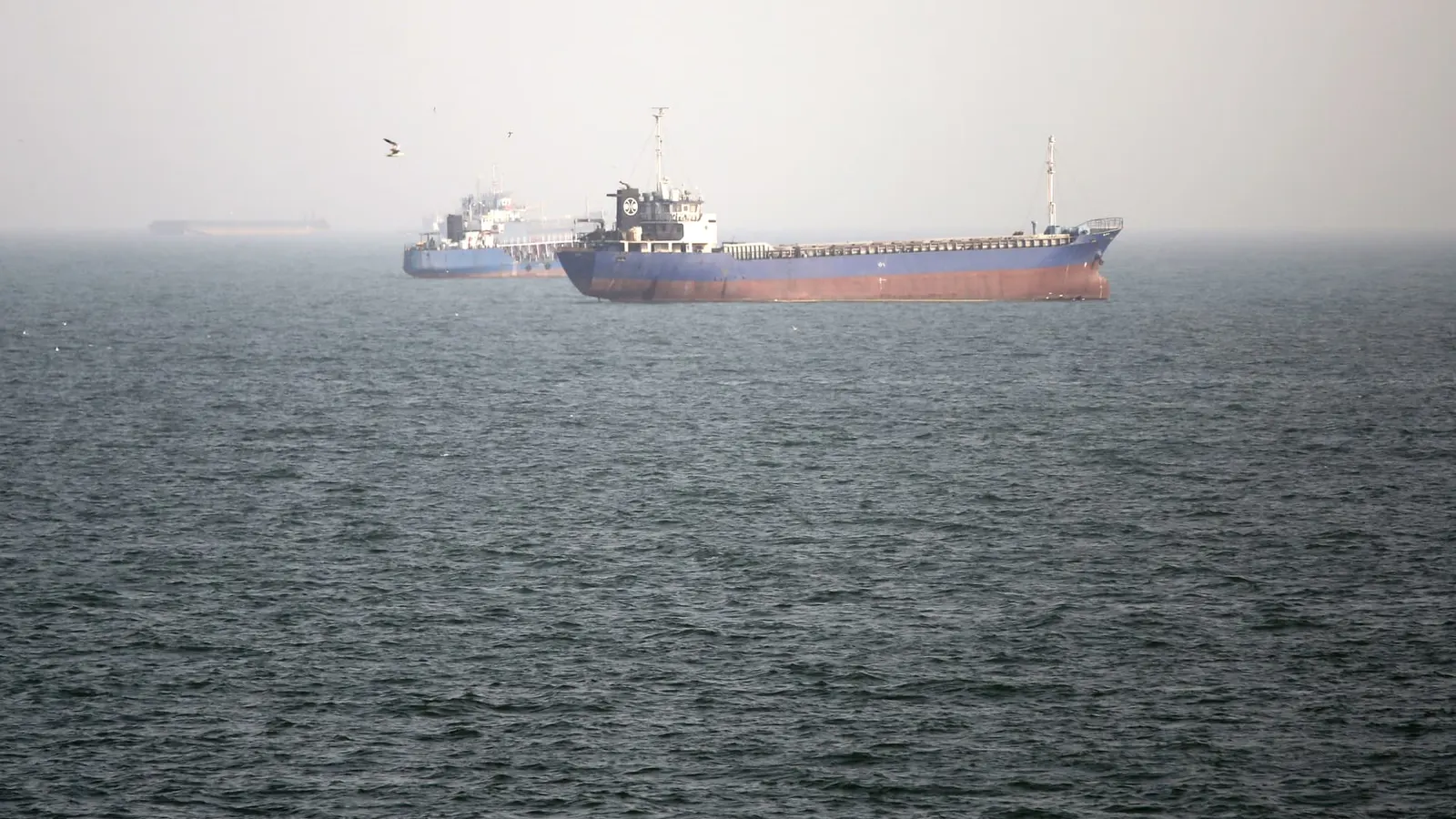
US crude oil dropped almost 8% over the week following Tehran-Washington discussions at the U.N., during which Iran proposed reopening the Strait of Hormuz within seven days.
- WTI closed at $92.41, down 7.9% for the week
- Brent settled at $104.32, staying above $100
- Iran's Araghchi proposed reopening Hormuz within seven days
- White House says it is not in a rush for a deal
- Trump expects more US-Iran talks this week
What's new
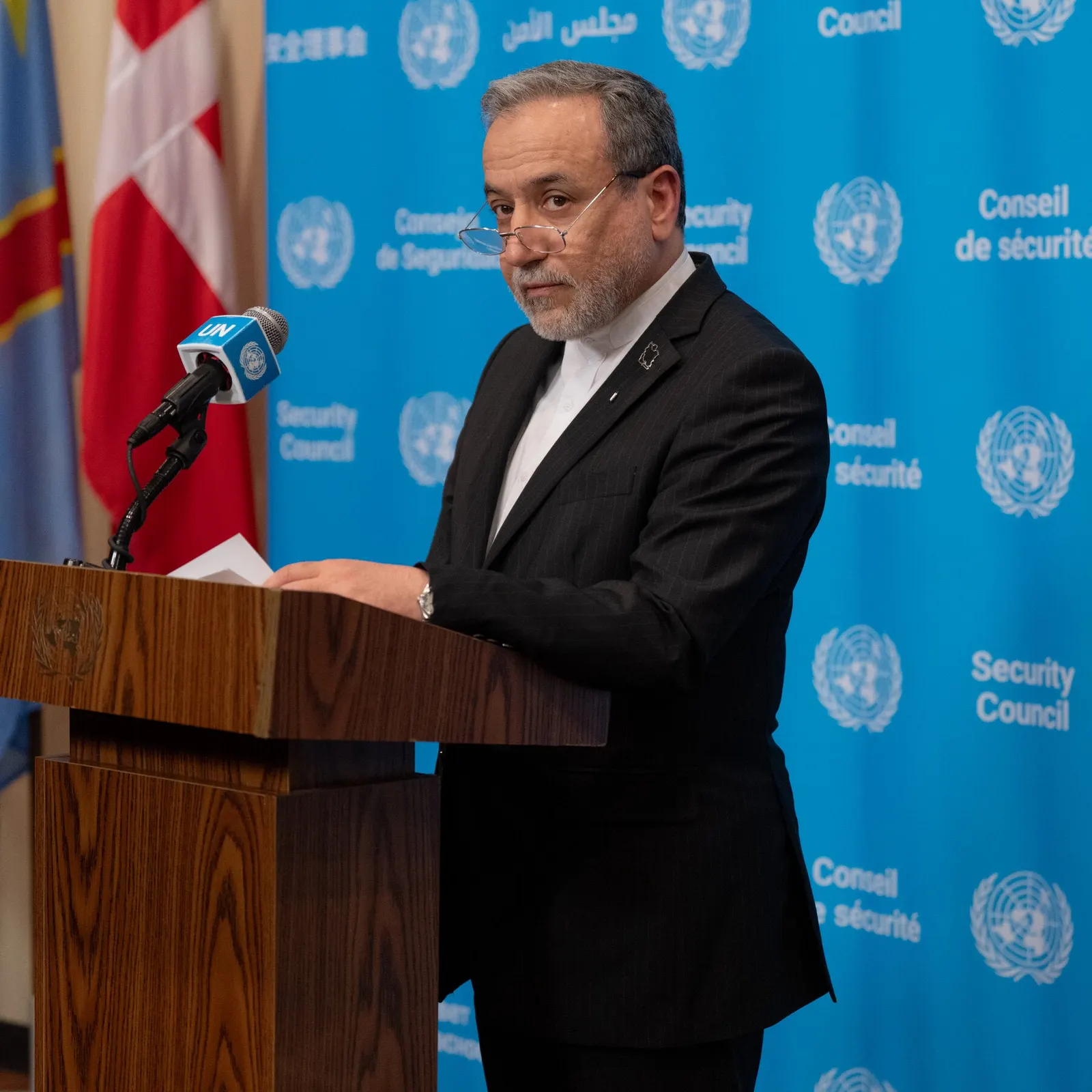
- Iran's Foreign Minister Abbas Araghchi outlined a week-long timeline for reopening the Strait of Hormuz
- WTI fell 2.3% Friday to $92.41, down 7.9% for the week
- Brent settled at $104.32, roughly flat to slightly higher for the week
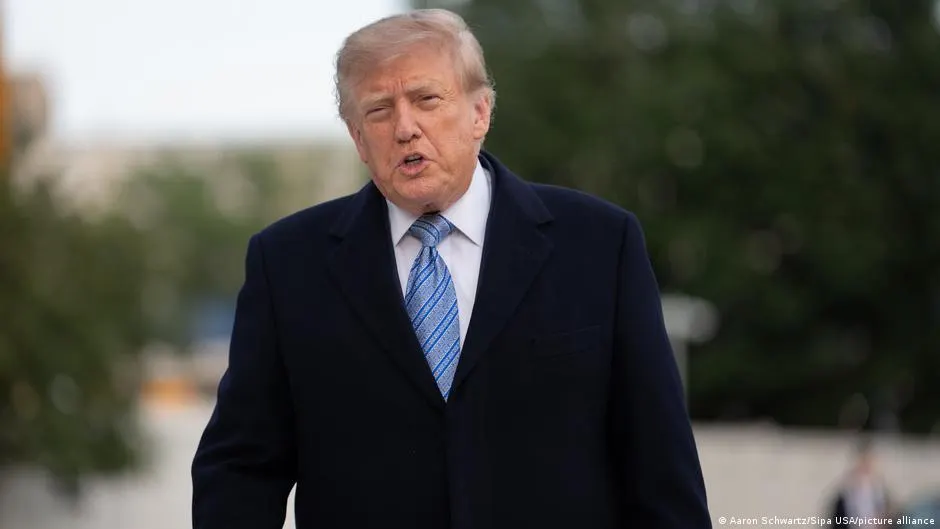
- Trump told Axios he expects more US-Iran talks this week
U.S. crude oil posted its sharpest weekly loss since late August after Tehran and Washington held talks on the sidelines of the U.N. General Assembly in New York, with West Texas Intermediate settling at $92.41 a barrel on Friday, down 2.3% on the day and 7.9% for the week, as Iran offered a plan to reopen the Strait of Hormuz within seven days.15
Iran's proposal
Speaking with journalists at the U.N., Iranian Foreign Minister Abbas Araghchi said Tehran is willing to open the Strait of Hormuz within a week, provided Washington fulfills terms of the June 17 interim peace agreement known as the Islamabad Memorandum of Understanding.13
According to Araghchi, the seven-day clock would begin once Washington accepts the plan, with the process potentially completed in four or five days, the strait reopening on day six and a final agreement reached on day seven. He said, "If the necessary measures are taken, we believe that we can complete the process within four or five days in a way that the Strait of Hormuz is opened on the sixth day, and the United States enters into a final agreement on the seventh day."3
Araghchi said Iran has informed Washington of the measures required under the June MOU and that Tehran began technical discussions with Oman to implement maritime commitments. In addition, he stated, "We are not in a hurry," and further remarked, "I think it would be much better if it is done before the midterm election, but it depends on the U.S. administration to decide."134
According to a White House official cited by the Financial Times, Washington is in no hurry to reach an agreement, noting, "The United States is in a very strong position with control of the Strait of Hormuz, so we are not in a rush."4
Markets react
On Friday, West Texas Intermediate dropped $2.20, or 2.3%, closing at $92.41 per barrel—marking its first weekly loss since late August and a 7.87% decline for the week, per EnergyNow.com. Meanwhile, Brent crude dropped $2.28, or 2.1%, closing at $104.32, though it edged up 0.43% over the week, putting the Brent-WTI spread at roughly $11.91.125
Analysts at Ritterbusch and Associates said, "The complex is again coming under pressure as the market continues to assess the possibility of a (US) diesel export ban while talk of diplomatic progress toward opening the Strait of Hormuz is adding to today's selling."2
CNBC reported that the June memorandum fell apart soon after clashes erupted concerning passage rights through Hormuz, and it remains uncertain whether the new proposal could avert further conflict. Tehran said it will restart talks toward a final deal if Washington implements the MOU conditions and is awaiting a U.S. response.1
Wider tensions
Negotiators from the US and Iran meeting in New York were said to be considering a step-by-step resolution that would include reopening the strait and easing the US economic blockade, although Iran indicated it would not compromise on its nuclear program even if the Hormuz plan is approved by Washington.2
President Trump indicated that he anticipated further discussions between American negotiators and Iran this week, while also noting he was "always thinking about renewing strikes against Iran," as reported by the Jerusalem Post, which cited Axios.64
Oil markets were also shaped by other factors: Houthi attacks on Saudi Arabia continued even as truce hopes weighed on prices, and a drone attack damaged Russia's Novoshakhtinsk oil refinery, forcing a temporary suspension of operations. Russia, a member of OPEC+, ranked as the third-largest global producer of crude oil in 2025, trailing only the United States and Saudi Arabia.2
Why it matters
Continued Middle East supply risk is keeping Brent above $100 even as US benchmark prices fall on truce hopes, a divergence that matters for energy-import planning in Europe.25
Videos
Related stories
same actors
background

Version history
- version 1 ·