World · United States of America, Islamic Republic of Iran
US and Iran Set for Separate Talks With Qatari Mediators
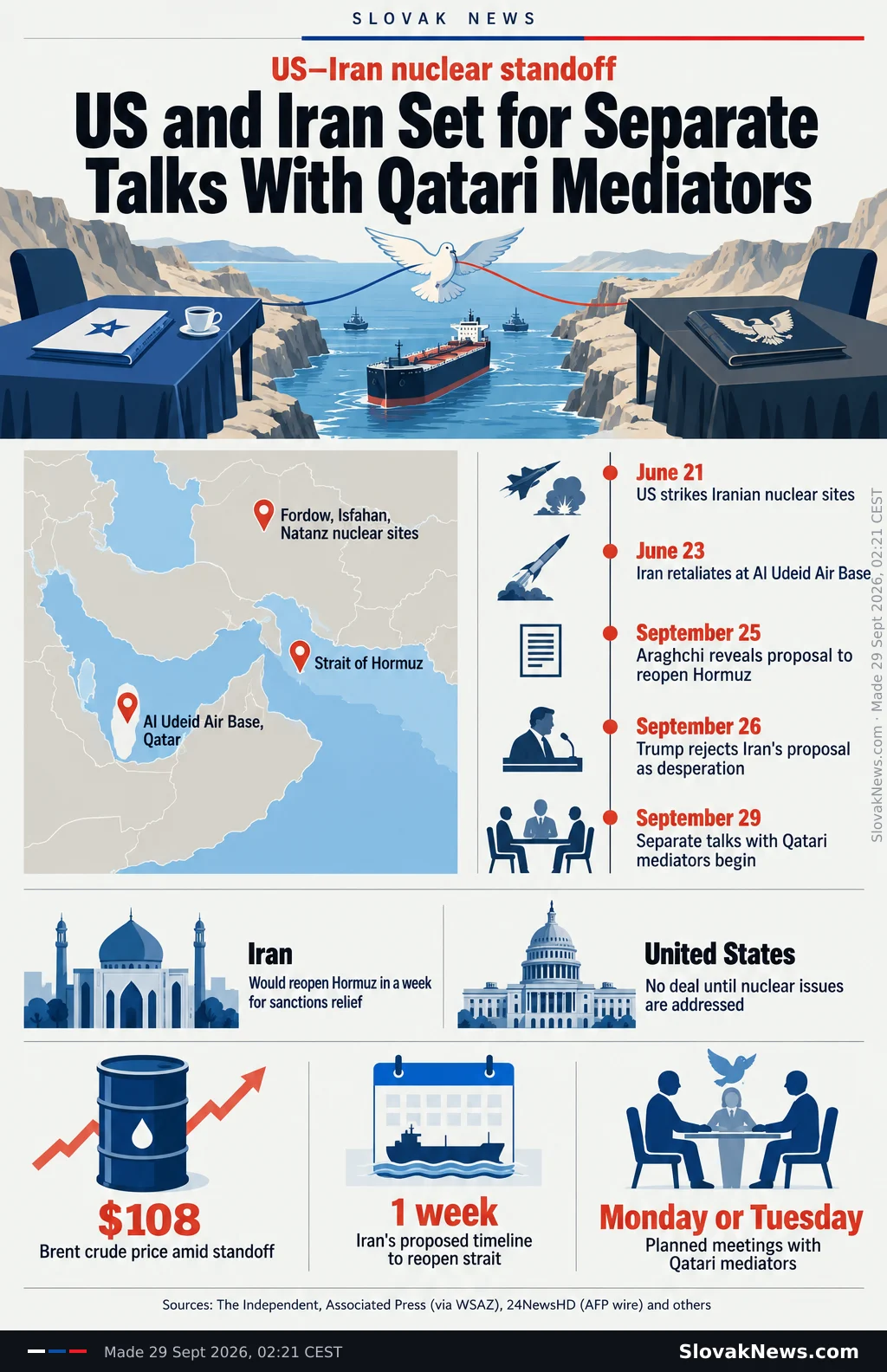
Iranian Foreign Minister Abbas Araghchi and a US delegation are expected to hold parallel meetings with Qatari mediators in New York, as Washington and Tehran remain divided over nuclear conditions and reopening the Strait of Hormuz.
Listen to the story
Short version
Iran and the US are set for separate, parallel talks with Qatari mediators in New York over nuclear issues and reopening the Strait of Hormuz.
- Araghchi to meet Qatari mediators Monday or Tuesday in New York
- US delegation holds separate talks with same mediators
- Iran proposes reopening Hormuz in a week for sanctions relief
- Trump rejected an earlier proposal but expects talks to resume
- Brent crude trades above $108 amid the standoff
What's new
- Araghchi expected to meet Qatari mediators in New York Monday or Tuesday
- US delegation to hold separate, parallel talks with the same mediators
- Iran's seven-day Hormuz reopening proposal reported to be under discussion
- Trump said to have rejected an earlier version of the proposal but expects talks to resume
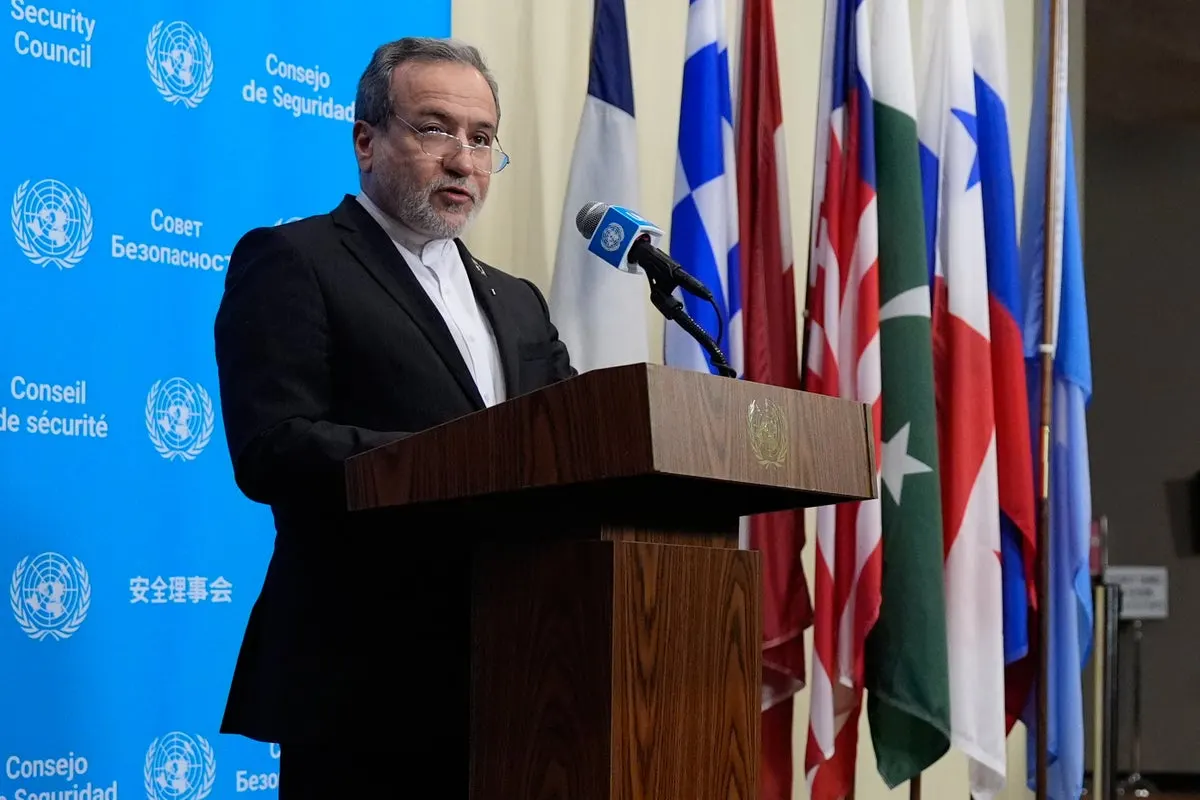
Iran's Foreign Minister Abbas Araghchi is expected to meet Qatari mediators in New York on Monday or Tuesday, while a US delegation holds separate talks with the same mediators, as Washington and Tehran seek progress on Iran's nuclear program and a possible reopening of the Strait of Hormuz, according to an official cited by The Straits Times.638
Parallel meetings in New York
Qatari mediators are expected to hold separate discussions with Araghchi and with the American side, according to an official cited by The Straits Times. Iranian state broadcasting said the foreign minister would meet Qatari counterparts acting as intermediaries between Tehran and Washington, and Mehr News reported that an NBC journalist confirmed the Araghchi meeting had taken place, with Qatari mediators also holding separate talks with the US delegation.638
Per Middle East Eye's citation of Iranian outlets, ISNA indicated the newest offers and stances would come up during the discussions, whereas Tasnim said Iranian and US officials had no direct meeting scheduled. Middle East Eye reported that Qatari representatives had traveled to the US beforehand and delivered Iran's plan to American officials.5
Nuclear conditions remain the sticking point
According to the Associated Press and The Independent, the Trump administration will not conclude a deal until nuclear issues are addressed, and Washington is seeking Iranian concessions including access for inspectors. A US official said, "Trump is open to pursuing a non-military resolution to the conflict if one can be achieved," adding that Trump is willing to offer sanctions relief and release frozen funds in exchange for concrete nuclear progress, though the US remains skeptical that Iran can be persuaded to meet his conditions.12
An official informed The Jerusalem Post that the back-channel discussions involving American and Iranian representatives have stayed on a constructive footing, and that Trump could soften sanctions given nuclear headway, but any agreement hinges on first settling the nuclear dispute.7
Strait of Hormuz proposal
According to The Jerusalem Post, negotiators are set to center their discussions on a revised week-long plan that Iran first put forward at the UN General Assembly. Araghchi has said the plan would see the strait reopened within a week if Washington agreed to lift its blockade, release frozen assets and waive sanctions, telling a closed-door meeting Tehran had pitched the deal as beneficial to Trump ahead of the US midterm elections. "The seven-day timeline will start as soon as the United States accepts this plan," Araghchi said.17
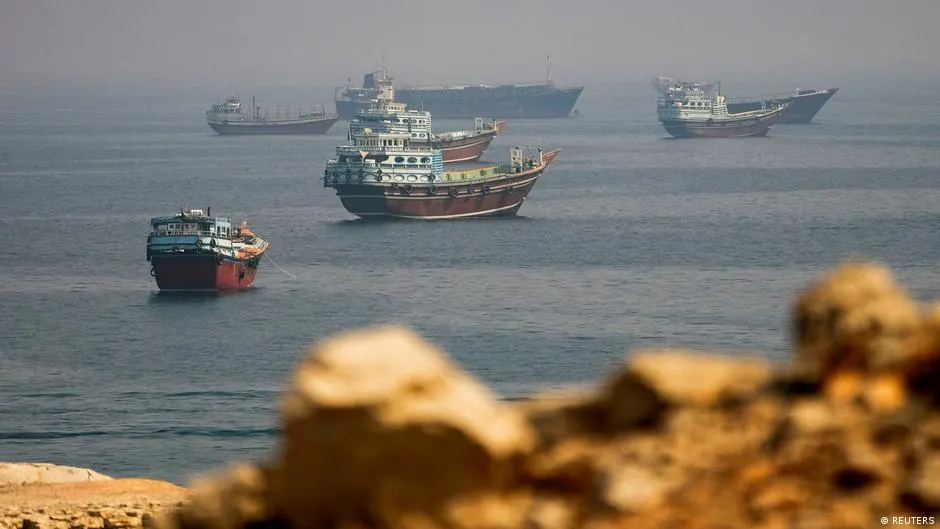
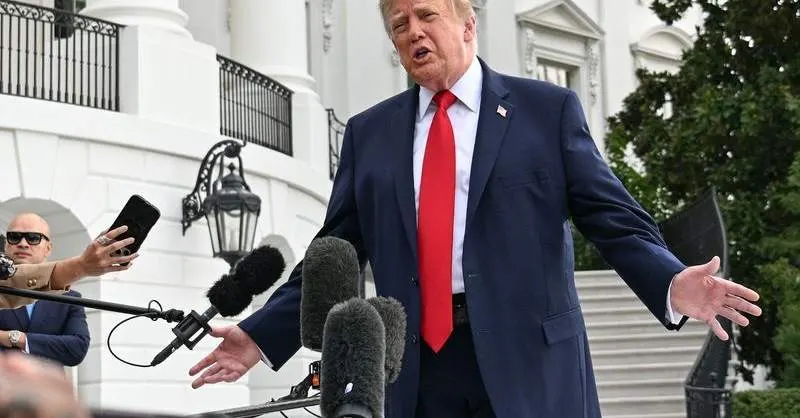
The Associated Press and 24NewsHD reported that Trump initially turned down Iran's plan, though he informed Axios that negotiations would likely pick back up shortly. Mediators are also said to be working on an arrangement, separate from talks with Oman, under which the strait would reopen without tolls. Citing 24NewsHD, prior to the outbreak of fighting this shipping channel handled roughly one-fifth of global oil and LNG shipments, and the turmoil has since driven Brent crude prices past $108.231
Background to the conflict
The confrontation, now entering its eighth month according to The Independent, began in February with US and Israeli strikes on Iran. The Council on Foreign Relations records that Iran's Supreme Leader Ayatollah Ali Khamenei was killed in a US-Israeli attack on 28 February 2026, the same day Israel launched an offensive into southern Lebanon. A brief ceasefire in April and an interim deal mediated by Pakistan in June were followed by direct US strikes on Iranian nuclear sites at Fordow, Isfahan and Natanz on 21 June, and Iranian retaliation against US forces at Al Udeid Air Base in Qatar two days later. A memorandum of understanding on the nuclear program signed in June collapsed within days.412
Iran's new Supreme Leader, Ayatollah Mojtaba Khamenei, issued a rare statement warning of further strikes against opposing forces, saying, "Before long, the Arabian Sea, too, will be rid of them." Houthi rebels have positioned themselves along the Bab el-Mandeb Strait, though Iranian officials said the group's dispute with Saudi Arabia is separate from the US-Iran conflict, noting "the Houthis have their own demands."12
Why it matters
An extended shutdown of the Strait of Hormuz—a passage that historically handled around 20 percent of global oil and gas exports—has driven Brent crude past $108, carrying direct consequences for Europe's energy costs and supply security. Any breakthrough or further breakdown in the US-Iran talks would shape both the price of imported energy and broader regional stability that affects European markets and diplomacy.123
Videos
Related stories
same actors
same actors
background
Version history
- version 1 ·