World · United States of America
US judge rejects visa limits for foreign students and journalists
Dennis Saylor rejected Trump administration restrictions on the length of foreign students’ and journalists’ stays, according to reports by The Straits Times and Middle East Eye.
According to The Straits Times and Middle East Eye, a US judge rejected administration restrictions on foreign students’ and journalists’ stays.
- The Straits Times reported a proposed four-year maximum for student admissions.
- Journalists faced shorter admission periods, according to The Straits Times.
- Middle East Eye reported that status-based stays remain available.
What's new
- The Straits Times reported on November 16 that Saylor struck down the restrictions.
- Middle East Eye reported on November 18 that the ruling preserved stays tied to a person’s immigration status.
- Saylor questioned the government’s evidence for the restrictions, according to Middle East Eye.
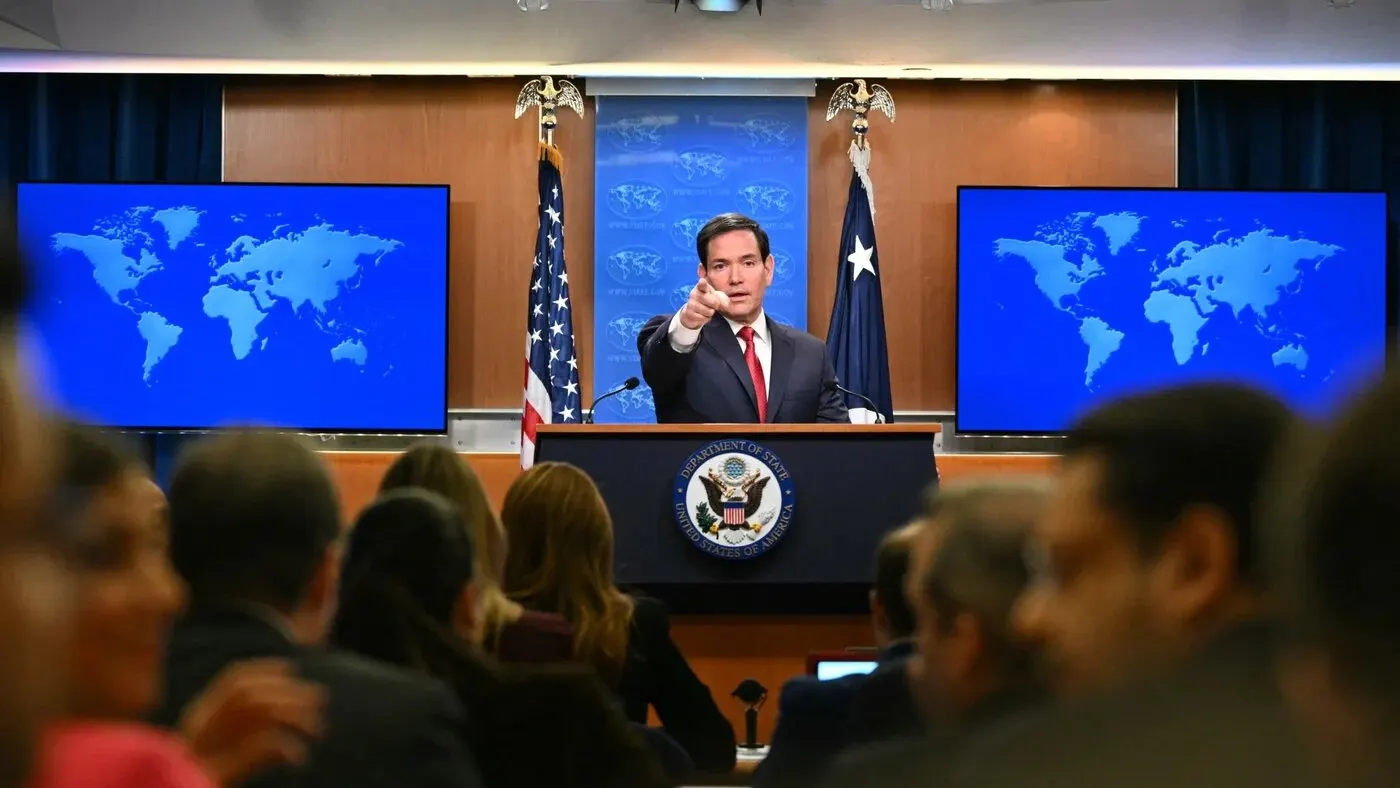
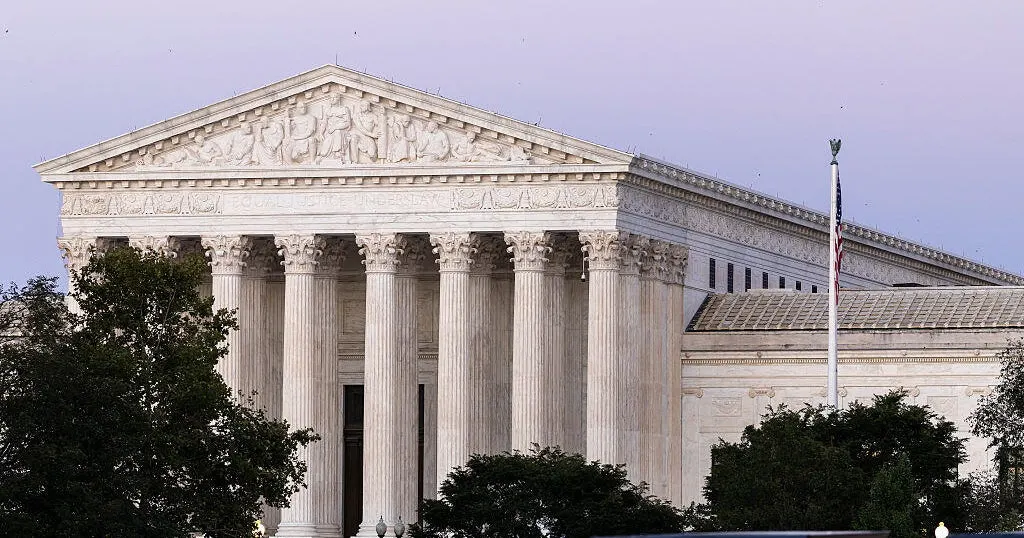
A US federal judge has struck down Trump administration rules that would shorten the time foreign students and journalists could remain in the United States, The Straits Times reported on November 16. Massachusetts District Judge Dennis Saylor rejected the policy after unions challenged the Department of Homeland Security.1
The court’s reasoning
Saylor found the restrictions unlawful, describing them as “arbitrary, capricious, an abuse of discretion, and otherwise not in accordance with law”, according to The Straits Times. Middle East Eye reported on November 18 that he had vacated the rule establishing fixed admission periods and procedures for extending stays.12
According to Middle East Eye, Saylor said the government had not demonstrated widespread visa fraud or national security concerns associated with the programme. That account places the adequacy of the government’s justification among the issues addressed in his decision.2
The Straits Times reported that Saylor also found the policy would obstruct educational opportunities Congress had sought to support. He said its restrictions would prevent extended courses of study, including PhD programmes and joint degrees, as well as changes in academic concentration, according to the newspaper.1
Limits on study and reporting
Under the proposed system, foreign students would have been admitted for no more than four years before needing an extension, The Straits Times reported. Previously, students could remain for the length of their studies rather than being subject to that maximum admission period.1
Foreign journalists would have faced a 240-day limit, with the option of requesting extensions of a similar length, according to the same report. It said journalists had previously been allowed stays of up to five years. Chinese journalists would instead have received 90-day admission periods, renewable through 90-day extensions.1
Middle East Eye reported that the decision allows international students and working foreign journalists to remain in the country while they continue to hold their qualifying status. Depending on that status, the permitted stay could run for months or years, rather than ending at the proposed fixed deadline.2
The legal challenge
University and media unions brought their lawsuit against the Department of Homeland Security in August, according to Middle East Eye. The Straits Times reported that the regulations were due to begin in September, but Saylor temporarily blocked them. The administration appealed that temporary hold to a higher court.12
The Straits Times placed the visa changes within a broader immigration crackdown involving deportation operations and restrictions on legal routes to citizenship. The newspaper reported that the United States hosted more than 1.1 million international students during the 2023-24 academic year.1
Why it matters
For readers in Europe considering study or journalism work in the United States, the relevant distinction is between a fixed admission deadline and permission linked to continuing eligibility. According to Middle East Eye, the ruling preserves the latter approach for international students and working foreign journalists.2
Videos
Related stories
same actors

Version history
- version 1 ·