World · United States of America, Islamic Republic of Iran
US Officials Detail Uranium Offer and Strike Threats Against Iran
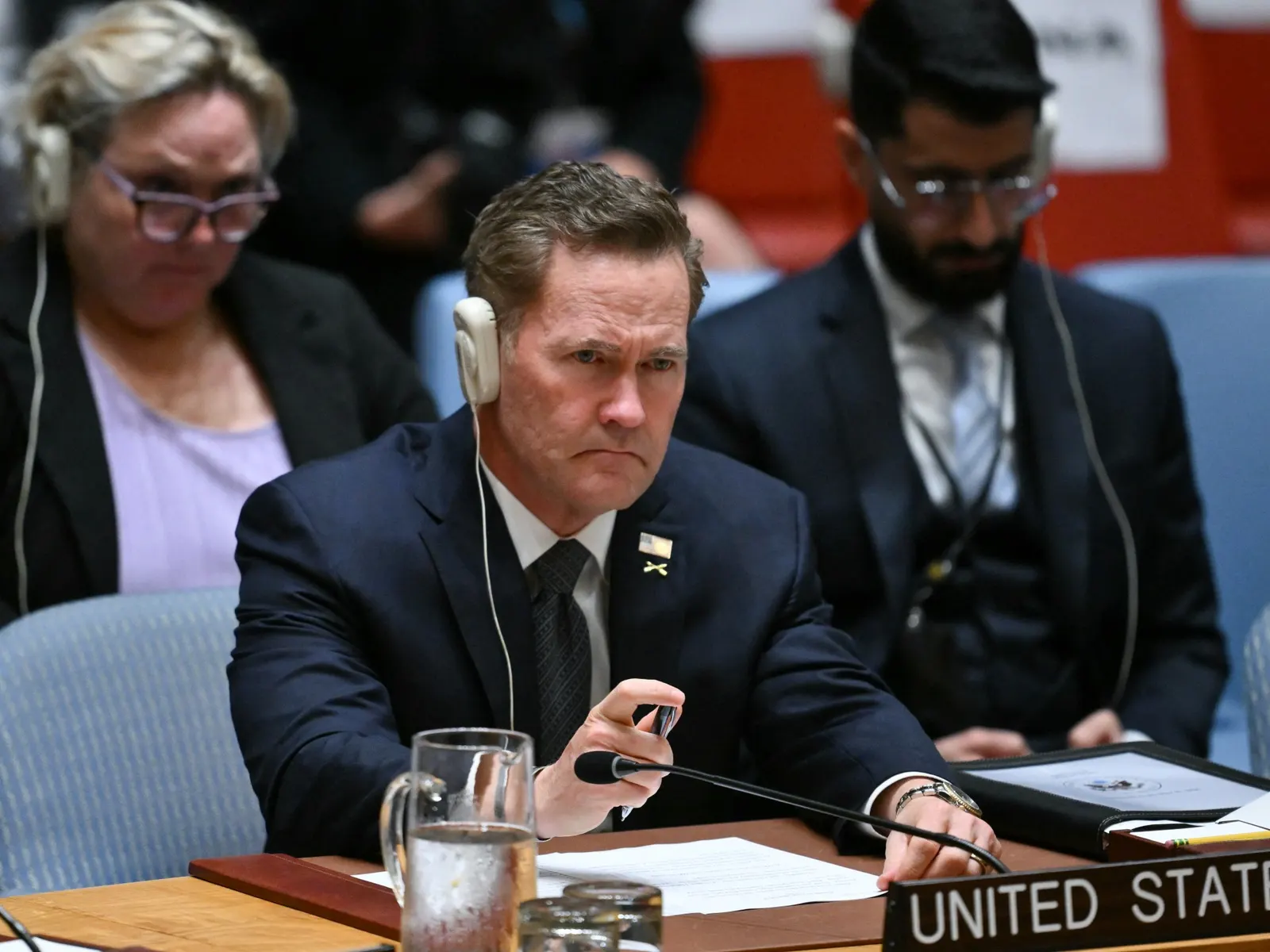
US Ambassador Mike Waltz said Washington offered to sell Iran uranium for a civilian nuclear programme, which Iran rejected, as President Donald Trump said he is weighing renewed military strikes while new talks are set for next week.
US officials say Washington offered Iran uranium for civilian use, which Iran refused, while Trump weighs renewed strikes and new talks are set for next week.
- US offered uranium for Iran's civilian nuclear programme; Iran refused
- Iran proposed reopening Strait of Hormuz in seven days; Trump rejected it
- Trump says military action possible within about ten days
- IAEA has had no access to key Iranian nuclear sites since June 2025
- Another round of US-Iran talks planned for next week
What's new
- Waltz says US offered Iran uranium for civilian nuclear use, which Iran refused
- Trump says he is 'always thinking about' renewed strikes on Iran
- Iran's seven-day Strait of Hormuz proposal rejected by Trump
- Trump tells US governors military action could follow within about ten days without a deal
Mike Waltz, America's envoy to the UN, stated on September 27, 2026 that the US had proposed selling uranium to Iran for peaceful nuclear purposes—an offer Tehran turned down—while President Donald Trump said that same day he continually contemplates fresh military action against Iran and informed US governors on September 28 that strikes could occur in roughly ten days if no deal is reached.134
Uranium offer and Iran's refusal
Waltz said the United States had offered to sell Iran uranium for a civilian nuclear programme, an offer Iran turned down, according to his account. He said the Trump administration was open to allowing Iran to retain a civilian nuclear programme if it met international obligations, and that there were multiple ways Washington was willing to deal with Iran on uranium. Waltz cited the United Arab Emirates as a model, noting it struck a nuclear deal with Washington in 2009 under which it pledged to forgo domestic uranium enrichment and spent-fuel reprocessing, calling it "a peaceful programme, right there in their neighbourhood, and they abide by international law and inspection regimes." He further referenced Trump's remarks that Washington and Riyadh finalized a civilian nuclear arrangement this year, along with Egypt and Turkey's existing civilian nuclear programmes and Pakistan's openly held nuclear arsenal outside the Nuclear Non-Proliferation Treaty.1
Enrichment levels and inspection access
Al Jazeera reports Iran's stockpile of uranium enriched to 60 percent purity exceeds 440kg, though NBC News's reporting challenges that figure. Enrichment near 90 percent purity is generally viewed as the threshold needed for weapons-grade material. The 2015 nuclear accord known as the Joint Comprehensive Plan of Action, abandoned by Trump in 2018 on grounds it favored Iran too heavily, had bound Tehran to keep enrichment levels no higher than 3.67 percent. International inspectors from the IAEA have been barred from important Iranian nuclear sites since the 12-day conflict in June 2025, during which Israel and the US struck those facilities. The IAEA voiced concern on September 10 regarding Iran's ongoing failure to comply with the Nuclear Non-Proliferation Treaty. Iranian officials said the IAEA finding was made "under political pressure from the US and its allies," and said inspections could not resume until facilities are safe from US and Israeli attack. Trump has asserted that he persuaded Iran in April to hand over its enriched uranium, a claim Iranian officials rejected, insisting the material would never leave Iranian territory under any conditions.14
Strait of Hormuz proposal rejected
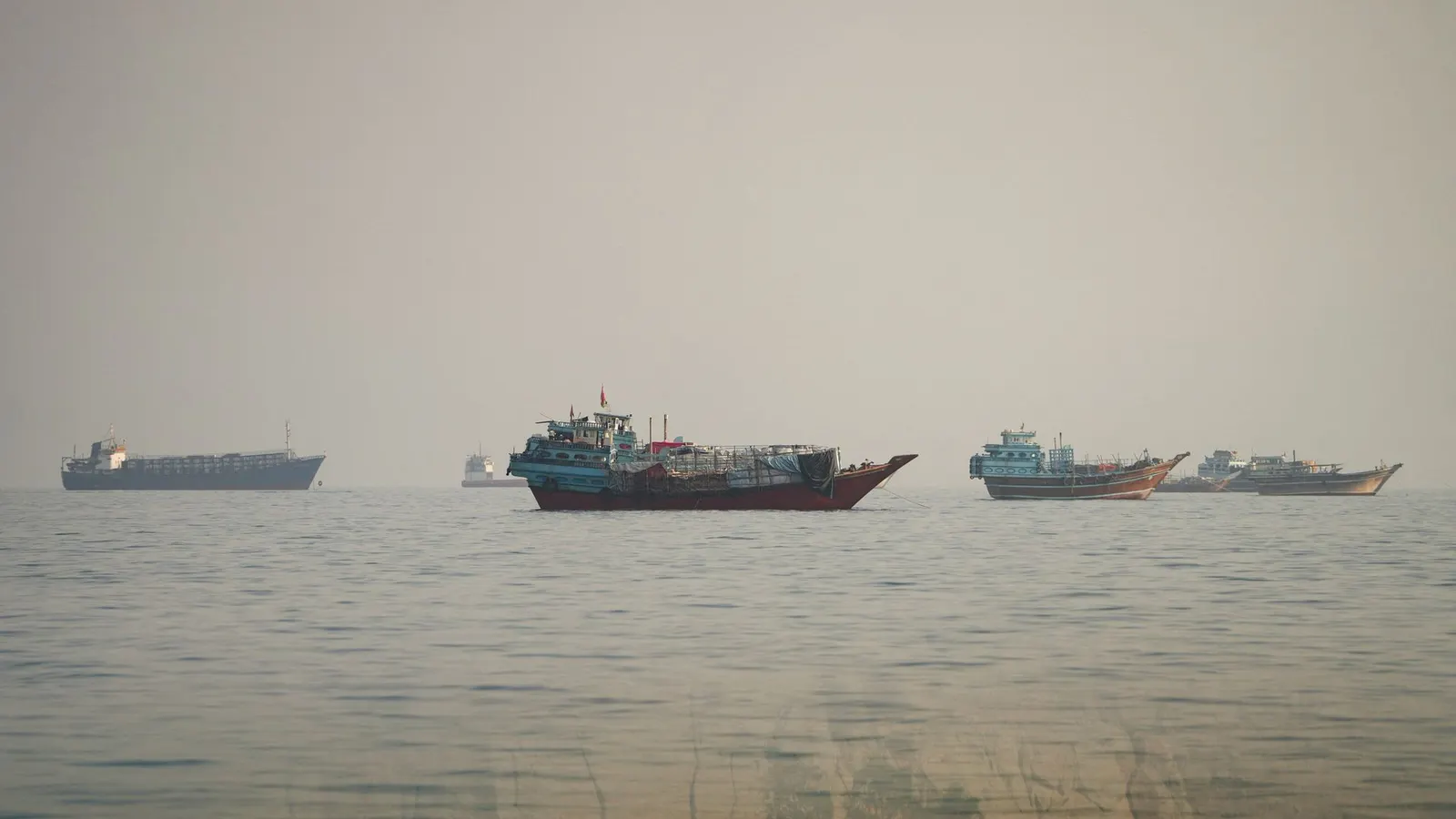
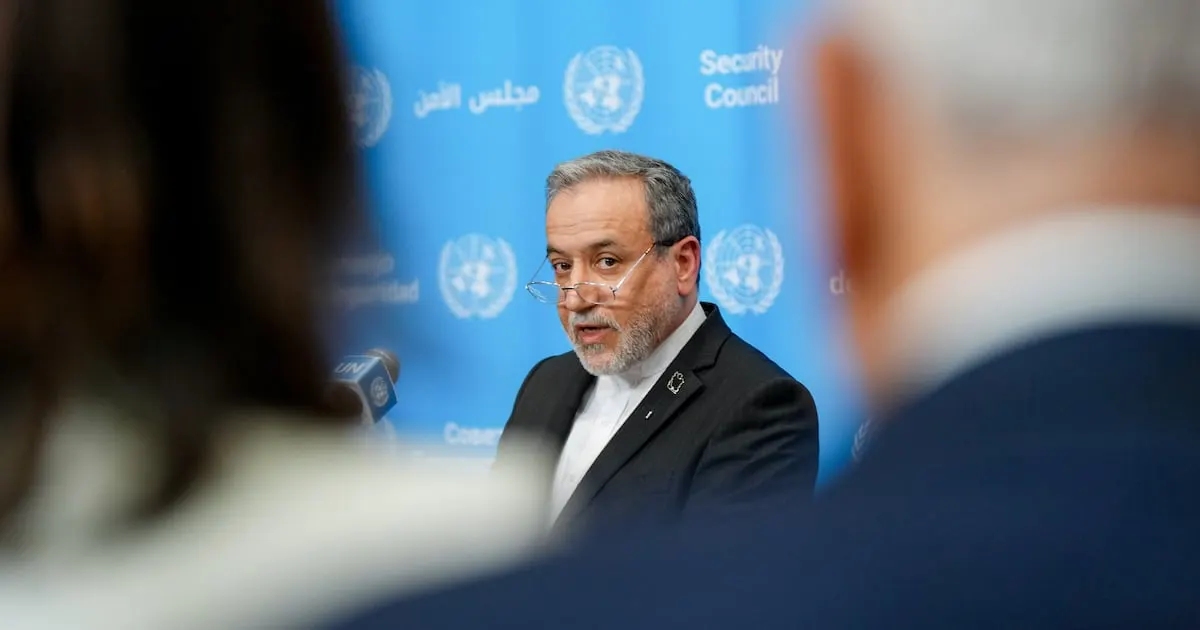
According to the National Council of Resistance of Iran, Foreign Minister Abbas Araghchi presented a seven-day plan to halt hostilities and reopen the Strait of Hormuz, saying, "We have presented the United States, through mediators, with a plan under which, if certain conditions are met, the Strait of Hormuz will reopen at the end of the seventh day." Iran was reportedly prepared to reopen the strait if the US met its conditions. Trump rejected the proposal. Waltz characterized Iran's stance as insisting on sanctions easing and unfrozen assets prior to any discussion of ending its nuclear activities, dismissing the offer as "a pretty cynical attempt to put something on the table that they knew was unacceptable." Araghchi disputed Waltz's framing, remarking, "I am surprised that the ambassador is talking about a seven-day plan, as he has not read it." Trump, for his part, suggested Iran's interest in reopening the Strait of Hormuz stems only from the fact "they are losing so badly."12
Military pressure and upcoming talks
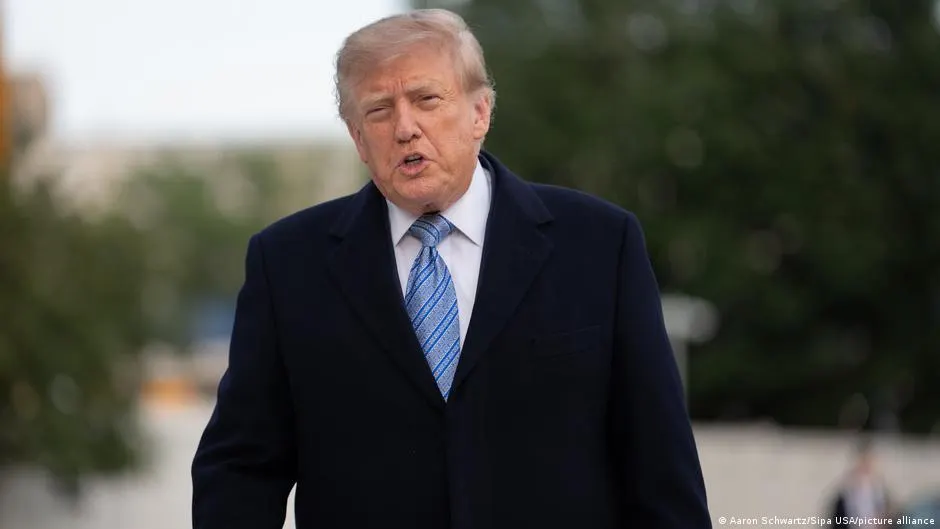
Trump told reporters he is perpetually weighing fresh strikes against Iran, saying, "Always thinking about it," and indicated that Washington plans a further round of discussions with Tehran in the coming week, stating, "I expect more talks with Iran. They want to make a deal, but it is not the deal that I want to make." Trump added that Iran had overreached in the negotiations. Waltz stated that Trump would keep every option available "to ensure the world is safe from Iran holding the world hostage with a nuclear weapon." Speaking to US governors on September 28, Trump indicated he is weighing potential airstrikes on Iran to push for a new nuclear agreement, cautioning, "Iran must reach an agreement or risk bad things," and noted that military action could follow within roughly ten days if no deal materializes. The NCRI reported that Iran had deployed 51,000 security forces on heightened alert in Greater Tehran on September 27, and that Canada's Foreign Minister Anita Anand told the UN General Assembly, "Iran is the principal threat to peace and security in its region, and it must never acquire a nuclear weapon," as Canada announced targeted sanctions against Iran.342
Iran's position
Iran maintains that diplomacy remains the only path to resolving its dispute with Washington, even as Araghchi remarked, "If you ask us, there is no reason why we should go back to diplomacy. But I'm still trying diplomacy, because I think we shouldn't miss any chance for peace." Araghchi also indicated Iran stands ready for hostilities to resume, "even if it comes to a doomsday war." The NCRI reports that hardline lawmakers in Tehran have criticized Araghchi's engagement with the US.12
Why it matters
The standoff bears on global nuclear nonproliferation enforcement and on the security of the Strait of Hormuz.124
Related stories
same actors
same actors
Version history
- version 1 ·