Climate · United States of America
Twenty-one US states challenge EPA repeal of power-plant climate limits
A New York-led coalition is asking a federal appeals court to overturn the Environmental Protection Agency’s removal of Biden-era greenhouse-gas standards. The agency says it lacks authority to impose the rules and argues that repeal will reduce industry costs.
A New York-led coalition of 21 states is asking a federal appeals court to overturn the EPA’s removal of power-plant greenhouse-gas limits. The agency says the rules exceed its authority and impose substantial costs.
- The challenge covers coal- and natural-gas-fired power plants.
- Several major cities joined the states’ legal action.
- The EPA says repeal will reduce industry compliance costs.
- The coalition says additional emissions will worsen climate harms.
What's new
- Twenty-one states are challenging the EPA action in federal appeals court.
- Cities including New York, Chicago and Denver joined the legal effort.
- The EPA says repeal will reduce compliance costs for power producers.
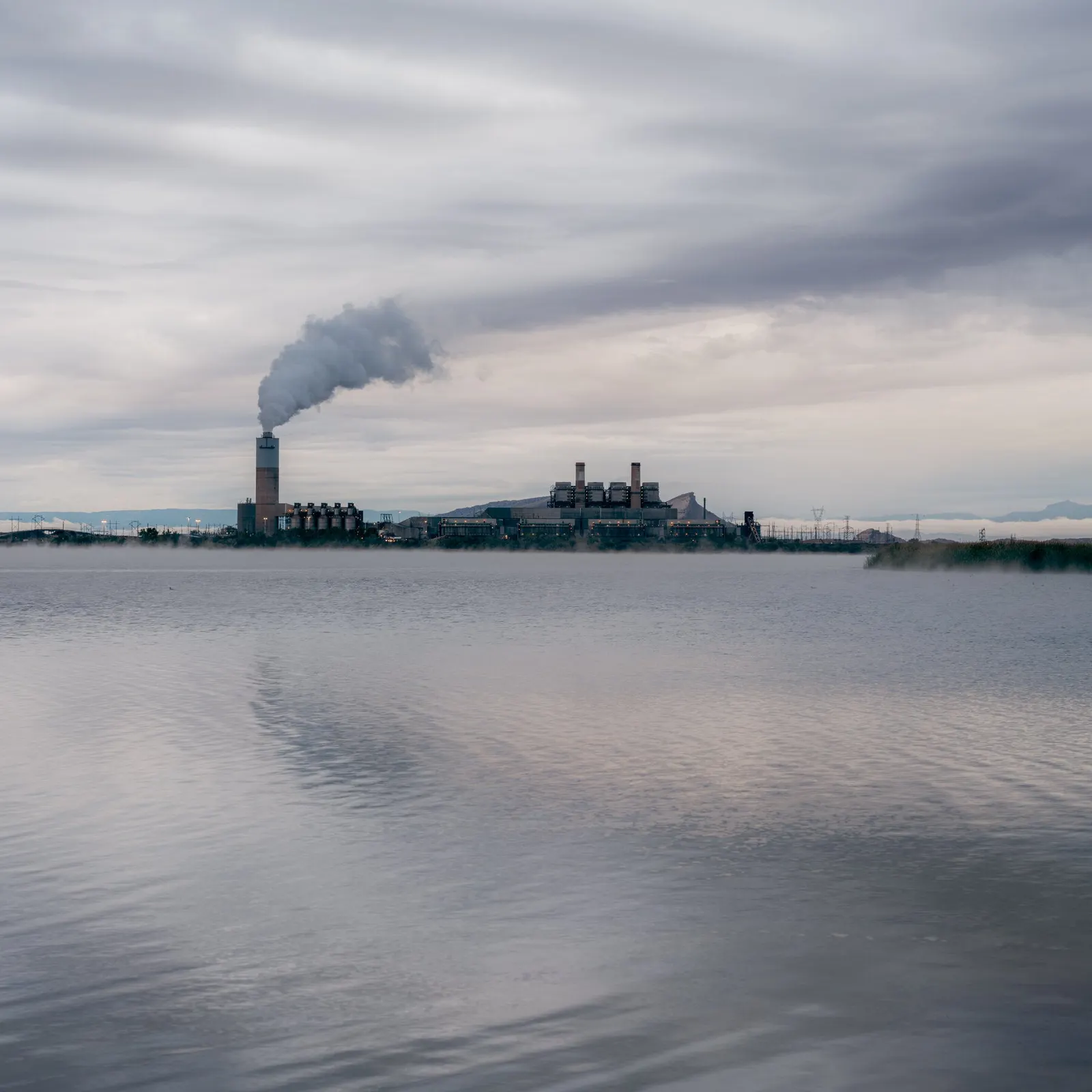
On Oct. 1, 2026, New York and 20 other states, joined by several cities, asked the US Court of Appeals for the District of Columbia to invalidate the Environmental Protection Agency’s decision to eliminate Biden-era climate-pollution rules for power stations fueled by coal or natural gas.123
The legal challenge
The participating states are mostly led by Democrats, according to The New York Times, while Inside Climate News reported that all the state attorneys general who filed the case are Democrats. Besides the states, the alliance comprises Washington, DC; New York City; Chicago; Denver’s consolidated city-county government; and Pennsylvania’s governor. North Carolina and California are among the states taking part.123
The coalition says the EPA unlawfully discarded the pollution limits without adequately weighing alternatives or the associated health and climate costs. The coalition further says the move would allow greenhouse-gas pollution to rise by millions of tons. The states contend that removing the standards would reverse years of climate policy and intensify the climate crisis.12
The Guardian said the EPA had withdrawn the rule adopted under Biden, whereas Inside Climate News characterized the measure as a proposal to cancel most pollution requirements for gas- and coal-powered generating facilities. The coalition has also notified the agency that it intends to sue over what it regards as a failure to control pollution from many gas-fired plants.12
The EPA’s case
The EPA contends that the Clean Air Act does not empower it to control climate-warming pollution from electricity generators, and it says the standards rest on flawed science and law. Aaron Szabo, an EPA assistant administrator, said repeal would allow utilities to “make the best decision for the ratepayers based on cost and cost savings, instead of being required to shut down facilities”.12
The agency has said the repeal would save industry more than $300 billion. Inside Climate News separately reported an EPA estimate of $95 billion to $160 billion in power-sector compliance savings over 20 years, excluding health and environmental costs associated with greenhouse-gas emissions. The Biden administration had calculated that the standards would deliver $370 billion in climate and public-health benefits through 2047.12
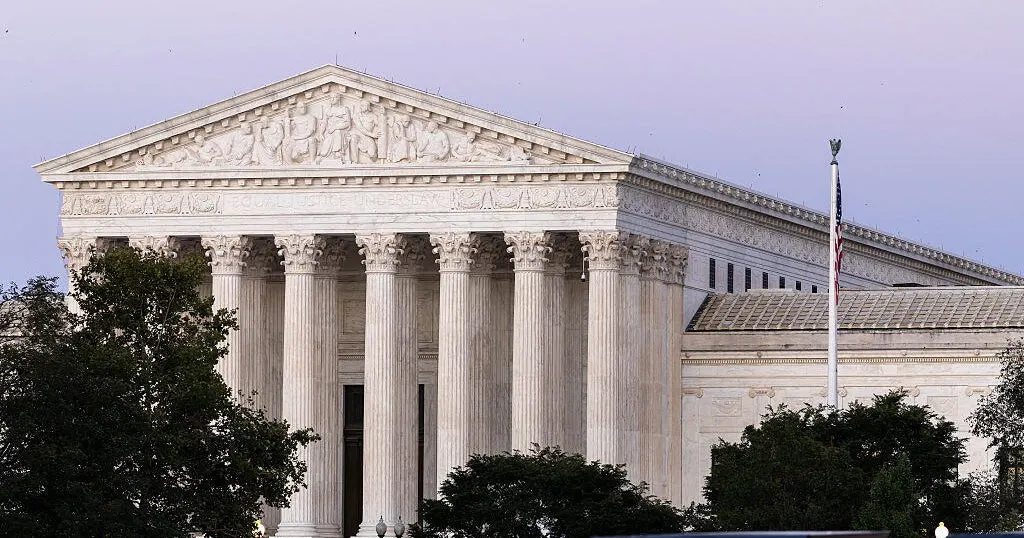
John Broderick, an assistant attorney general in New York’s Environmental Protection Bureau, disputed the EPA’s legal position, saying the agency has “a statutory duty to regulate greenhouse gases from power plants”. In 2007, the US Supreme Court ruled that the EPA could regulate greenhouse gases if it found that they endangered public health and welfare.2
A wider regulatory dispute
The Guardian reported that another EPA measure, expected to be finalized, could bar future administrations from imposing rules on climate pollution from electric generating plants. Inside Climate News reported that the agency had also revoked, earlier in 2026, an endangerment finding covering pollutants associated with motor vehicles.12
The case comes as other climate litigation advances through US courts. The Supreme Court is due to hear a case involving Boulder, Colorado, and oil and gas companies on the opening day of its new term. The Guardian described the broader litigation as involving billions of dollars.1
Inside Climate News reported that greenhouse-gas emissions contribute to climate change and cause or aggravate extreme weather. It also reported that August 2026 was the hottest August recorded globally since recordkeeping began in 1850.2
Why it matters
For European readers, the case provides a direct test of the US federal government’s claimed authority to regulate greenhouse-gas emissions from power generation. The dispute also concerns rules affecting emissions that drive climate change and contribute to extreme weather.2
Videos
Related stories
same actors

Version history
- version 1 ·