World · United Kingdom
Burnham seeks debate on restoring UK-EU free movement
The prime minister wants Britain to consider free movement as part of closer relations with the EU. Labour figures have expressed differing views, while Conservative and Reform UK politicians oppose reopening the issue.
Listen to the story
Short version
Burnham wants public discussion of restoring UK-EU free movement, drawing differing Labour responses and opposition criticism.
- Labour’s 2024 manifesto excluded free movement and single-market membership.
- Single-market membership requires accepting free movement.
- Rayner supports discussion; Philp and Farage oppose restoration.
- Burnham will meet EU officials on November 20, Al Jazeera reports.
What's new
- Burnham wants public discussion of a possible return to EU free movement.
- Rayner and Creasy support discussion, while other Labour figures have raised objections.
- Burnham is due to meet EU officials on November 20.
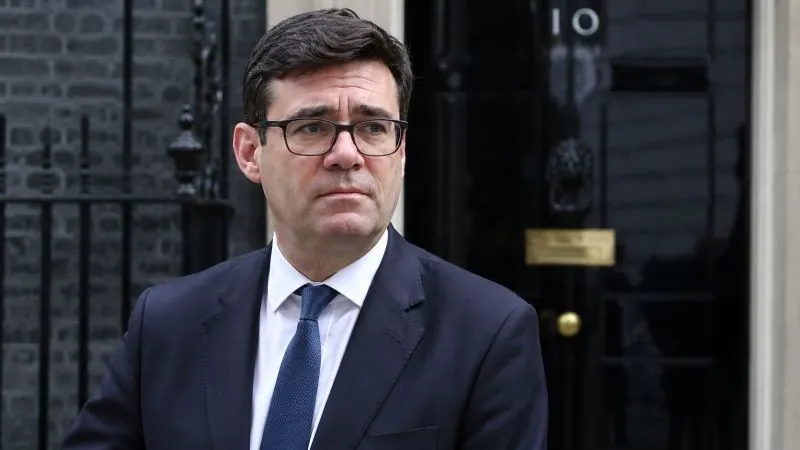
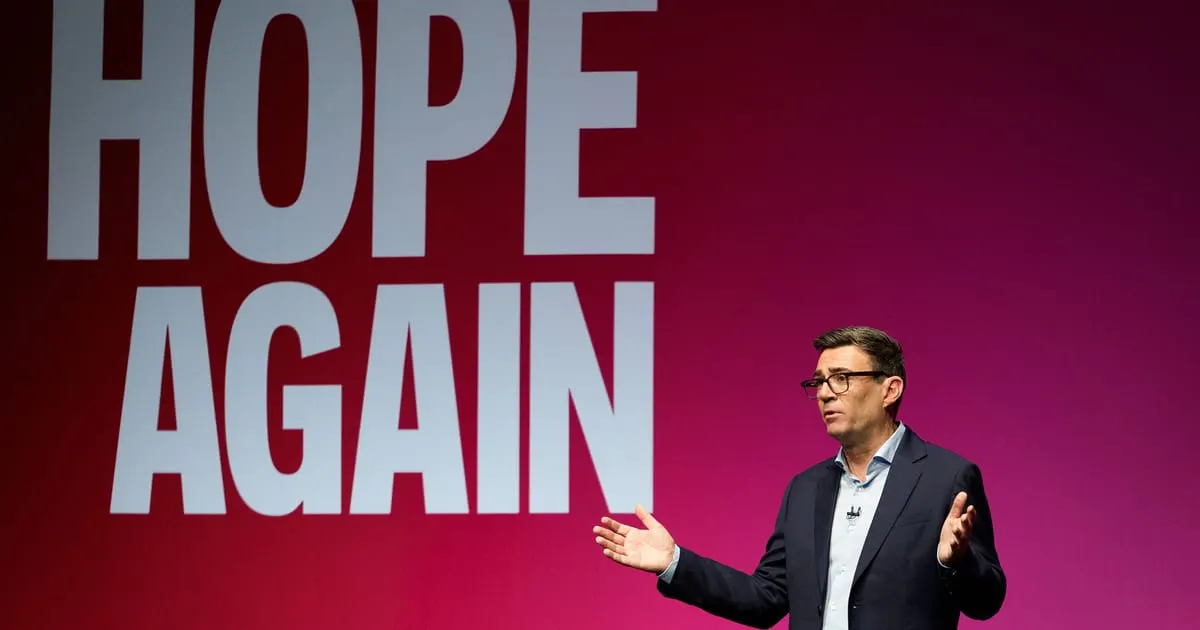
Prime Minister Andy Burnham has called for a public debate in the United Kingdom about restoring free movement with the European Union, according to reports published on October 25, 2026, prompting support and objections within Labour and criticism from opposition politicians.123
Options for a closer relationship
Burnham wants the question considered alongside wider choices about Britain’s relationship with the EU, rather than treated separately. According to the Guardian, excluding free movement would no longer be a fixed condition in negotiations. He has also raised the possibility of Britain eventually seeking full EU membership.12
That approach differs from Labour’s 2024 election manifesto, which excluded restoring free movement, entering the single market and joining a customs union. Single-market membership would require accepting free movement. According to the Guardian, a customs-union arrangement would also require Britain to accept EU rules.13
Burnham is due to meet senior EU officials on November 20, Al Jazeera reported. Voice of Vienna said he intended to set out options for future relations at the Brussels summit and had said major constitutional changes would require a new electoral mandate. He has ruled out recommending adoption of the euro or membership of Schengen.23
Different views within Labour
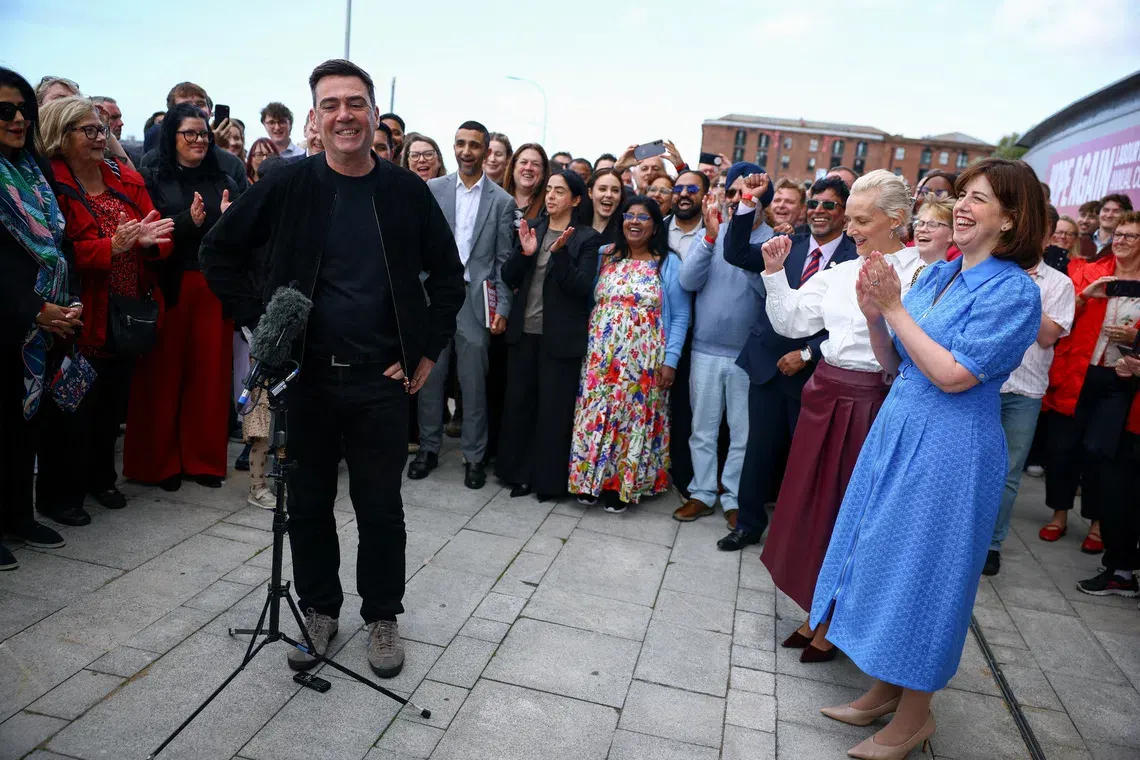
Housing Secretary Angela Rayner supported holding the discussion, saying a pragmatic approach meant keeping all options available. Labour MP Stella Creasy also backed examining the implications of free movement for supply chains and British employment, according to the Guardian.1
The newspaper reported that senior cabinet ministers favour closer EU ties that could include single-market membership and free movement. But it also described concern among Labour MPs representing strongly pro-Brexit constituencies. Shabana Mahmood cautioned that rejoining the bloc would entail difficult compromises.1
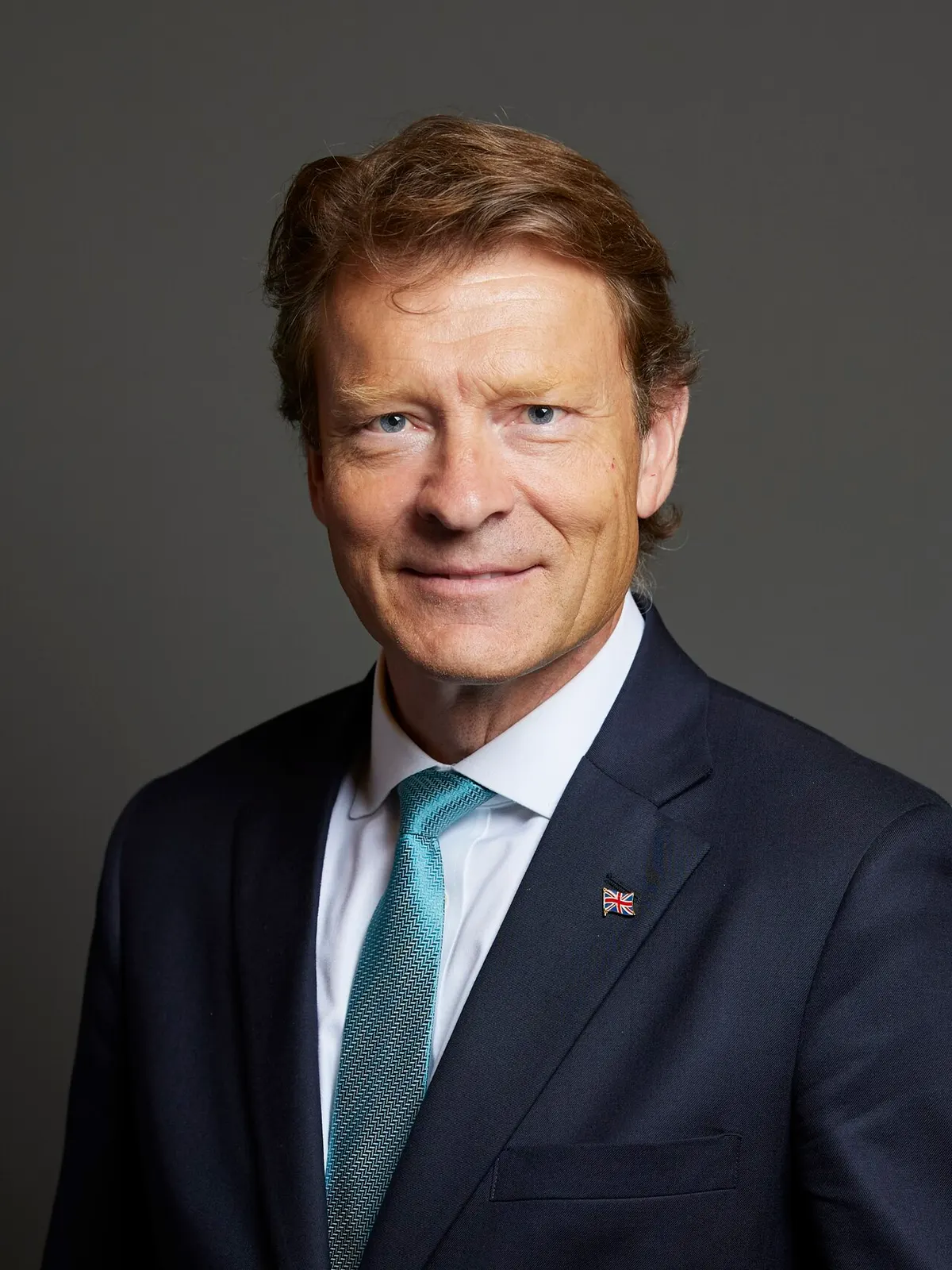
Richard Walker, the Labour peer and Iceland executive chair, opposed restarting the debate. He called it a “dangerous precedent” and argued that it would not help the one million unemployed young people he cited, the Guardian reported.1
Opposition and the migration debate
Conservative shadow home secretary Chris Philp said voters had chosen to end free movement and rejected its return. He argued that restoring it would surrender control over Britain’s borders. Kemi Badenoch said most Brexit voters opposed free movement and accused politicians of failing to understand immigration’s effects on communities.13
Reform UK leader Nigel Farage described Burnham’s comments as a betrayal of Brexit voters. Burnham, meanwhile, has argued that migration patterns have changed since Brexit and that the earlier arrangements also offered British citizens opportunities to move, according to Al Jazeera and Voice of Vienna.123
Al Jazeera reported that long-term net migration fell from 331,000 to 171,000 in 2025, with tougher government measures restricting arrivals under the post-Brexit system. Burnham told the outlet that free movement should be assessed within the wider relationship: “You’ve got to see it in the round, rather than just looking at freedom of movement on its own”.2
Why it matters
Free movement previously enabled British and EU citizens to move within the bloc, so its possible restoration concerns people on both sides of the relationship. It is also a condition of single-market membership, linking the debate over migration to Britain’s options for closer economic ties with Europe.13
Videos
Related stories
same actors
Version history
- version 1 ·