World · Islamic Republic of Iran
Iran claims Hormuz attacks pushed US warships back as oil flows recover
Tehran says pressure on shipping has forced American naval vessels farther from Iran. Tanker data indicate energy traffic is rising, though security risks and competing flow estimates remain.
Iran is presenting attacks near Hormuz as a strategic success while oil traffic through the strait recovers. Naval claims, casualty reports and precise flow volumes remain unconfirmed or disputed.
- Iran claims US warships moved farther from its coast.
- Hormuz energy flows reportedly reached 80 percent of pre-war levels.
- Daily oil-flow estimates differ substantially.
- Iran and Washington remain divided over reopening terms.
- Shipping security and insurance risks persist.
What's new
- Iran says US warships withdrew into the central Arabian Sea.
- Hormuz energy flows reportedly reached nearly 80 percent of pre-war levels.
- Washington and Tehran pursued indirect talks through mediators.
- Iran rejected the latest US proposal for reopening the strait.
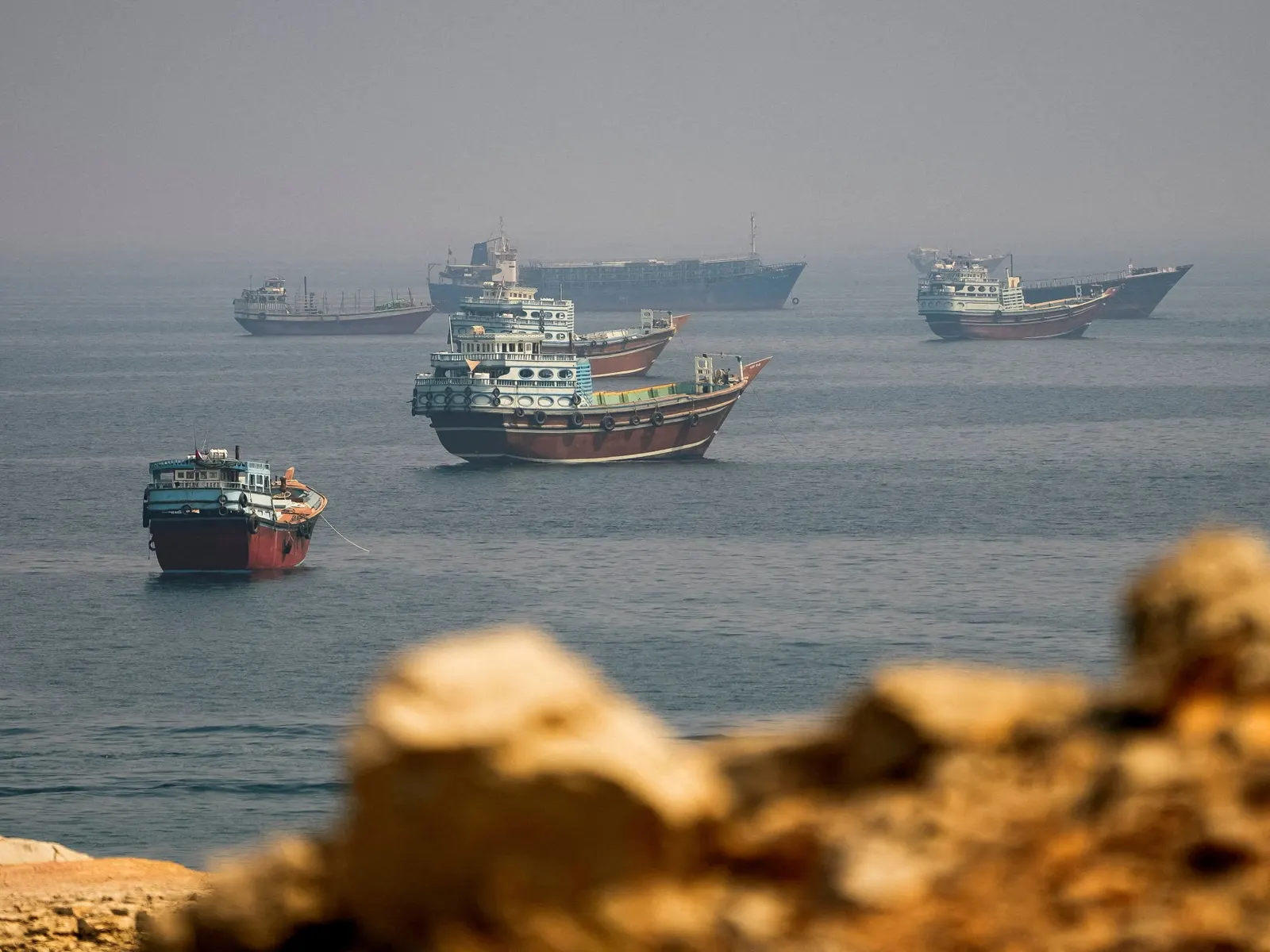
Iran claimed on September 28 that its attacks on vessels near the Strait of Hormuz had pushed US warships farther from the Iranian coast, even as oil shipments through the waterway increased. Iranian state-linked media placed the American vessels in the central Arabian Sea, while tanker estimates indicated that energy flows were approaching four-fifths of their pre-war level.1
Iran asserts naval pressure
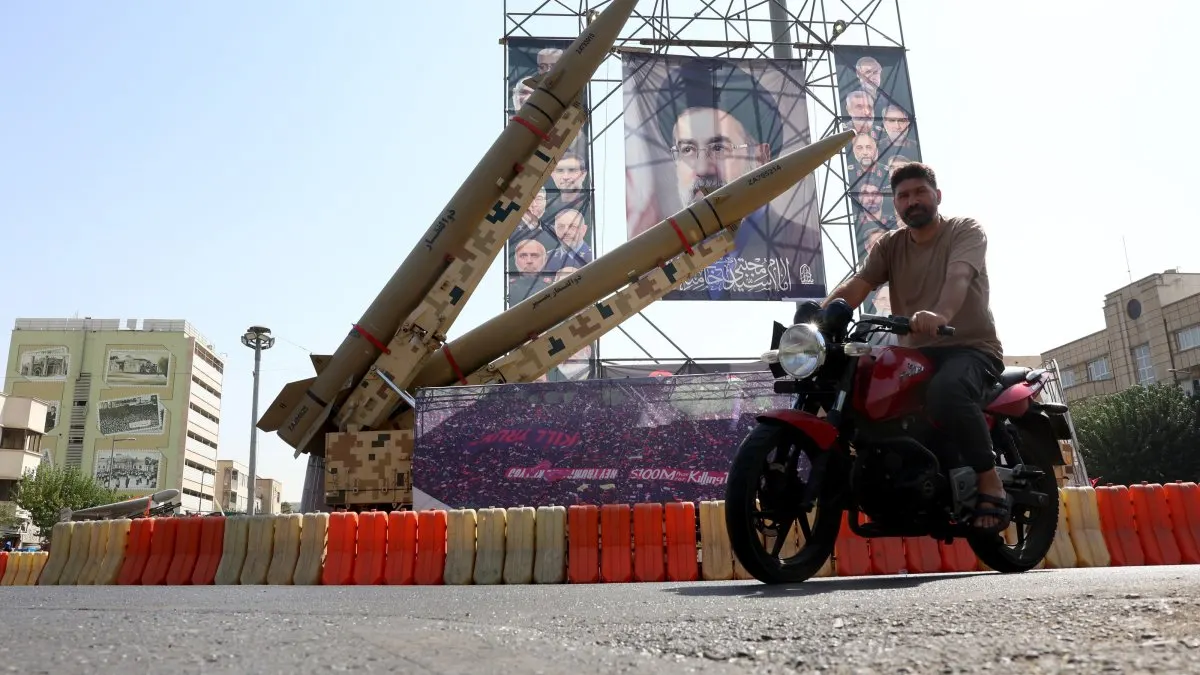
Mojtaba Khamenei, Iran’s Supreme Leader, said US forces had refrained from moving closer after suffering damage from Iranian attacks. Iranian state-linked media reported that US warships shifted from positions near Chabahar and the Gulf of Oman into the central Arabian Sea to reduce their exposure to Iranian missiles.1
The Pentagon was reported on September 28 to have added sailors and Marines to its list of personnel wounded in the conflict. According to the report, eight Marines suffered smoke inhalation and possible traumatic brain injuries after an Iranian missile strike, bringing the number of US service members wounded since February 28 to 861, with at least 19 deaths. Those figures and the circumstances of the injuries remain single-source claims.1
Iranian forces were also reported to have fired an antiship cruise missile at a vessel in the Strait of Hormuz on September 14. The report said the target was not a US Navy ship. It also said American vessels had evaded Iranian ballistic missiles earlier in the month, but those accounts remain unconfirmed.1
Oil traffic recovers unevenly
Shipping figures indicate a marked rebound in tanker movements from the conflict's nadir, when reported daily transits dropped to only two vessels. Before the war, about 120 to 140 vessels crossed daily, roughly half of them carrying a combined 20 million barrels of oil. Tanker-tracking estimates reported on September 30 placed current oil and petroleum flows at nearly 80 percent of the earlier level.1
Kpler recorded 19 tanker transits through Hormuz during the seven days through September 27; 17 were very large crude carriers said to hold up to two million barrels apiece. Reported regional exports averaged 12.8 million barrels per day in September, the strongest level since the conflict started. A separate estimate put total Middle East crude exports at 16.328 million barrels a day, while projected Hormuz flows of about 9.719 million barrels a day differed from other figures cited in the reporting.1
US officials offered still higher assessments. Energy Secretary Chris Wright estimated that close to 13 million barrels of crude were moving through Hormuz each day, while Treasury Secretary Scott Bessent gave a range of 15 million to 22 million barrels. Because the available estimates use differing measures and conflict with other figures, the precise volume remains disputed.1
The recovery has affected market expectations but has not removed the security risk. On the report's Tuesday, Brent settled 2.6 percent lower at $102.59 per barrel, though it was still headed for an approximately 13 percent gain over the month. Susannah Streeter of Wealth Club said shipments were moving but that continued uncertainty meant flows could not yet be treated as fully secure.1
Blockade and negotiations
According to the report, Washington was still maintaining some version of restrictions on Iran's southern ports. The restrictions were said to prevent Iran from shipping out its own crude, leaving it with roughly 15 million barrels stored offshore. The Islamic Revolutionary Guard Corps maintained that vessels not coordinating their passage with Iranian authorities could not treat the strait as open under normal conditions.1
Iran and the United States also worked through mediators to seek an end to hostilities. Reports said Tehran and Washington conducted indirect negotiations for three hours on September 30, with Iranian Foreign Minister Abbas Araghchi taking part alongside US envoys Steve Witkoff and Jared Kushner. Araghchi received Washington’s response through Qatari mediators after Iran proposed restoring normal maritime traffic if its conditions were met.1
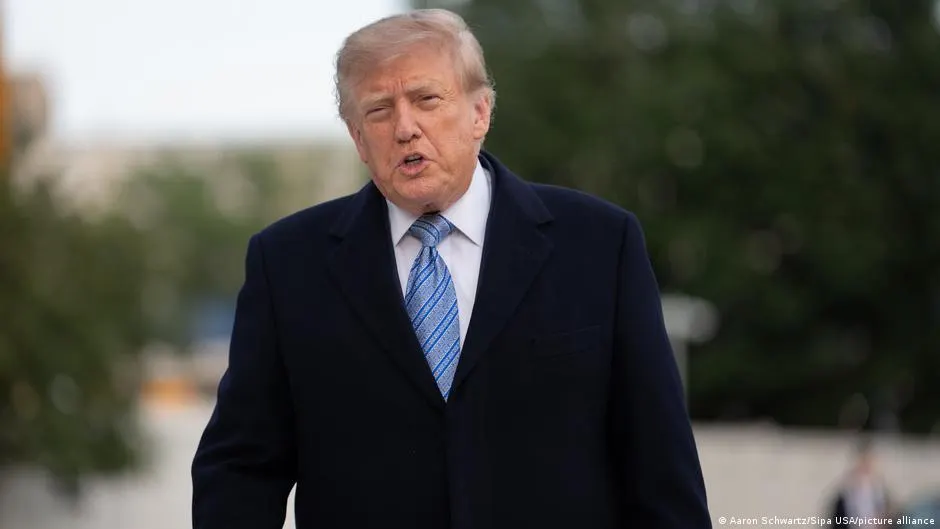
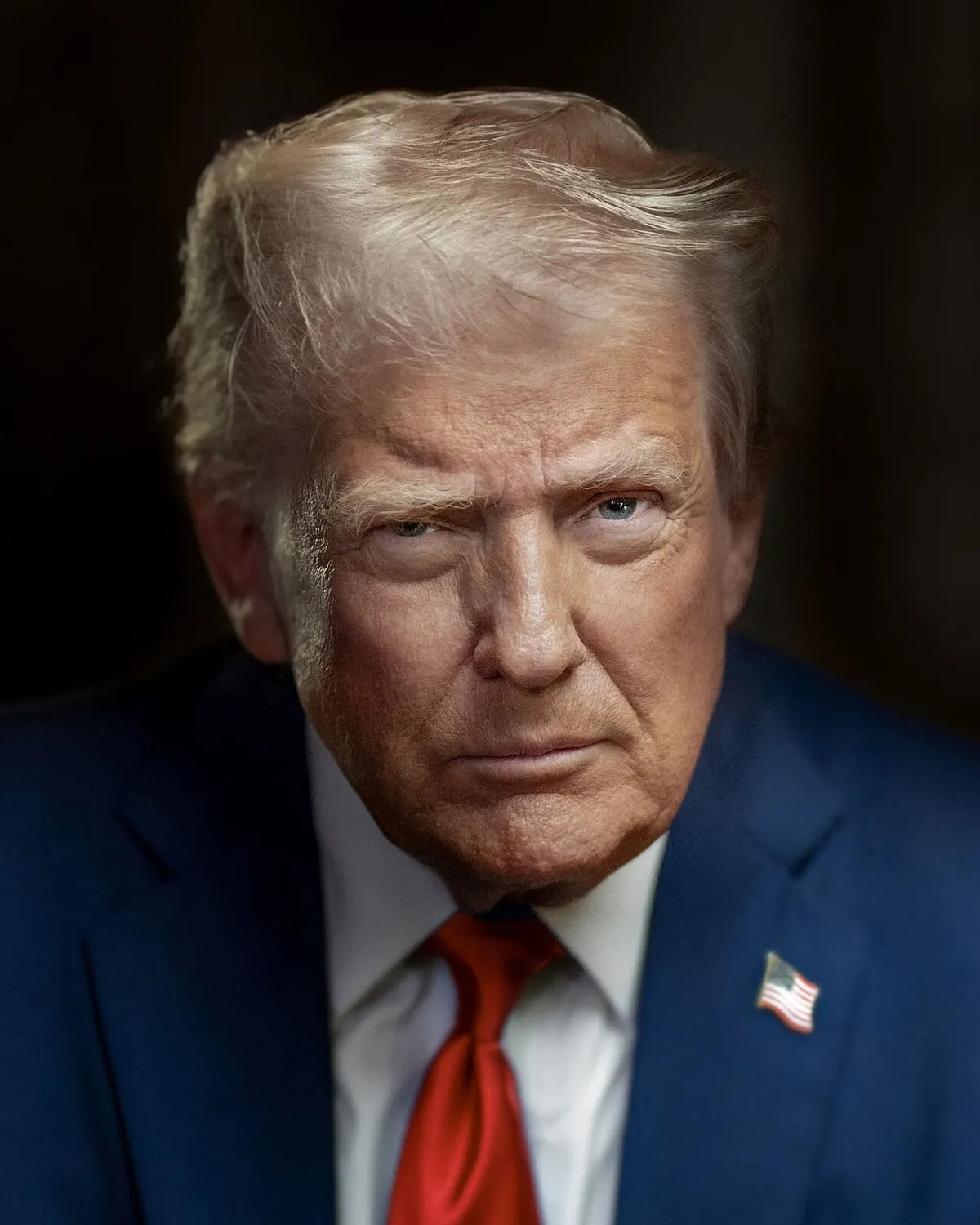
US President Donald Trump rejected Iran’s proposed roadmap, while Tehran rejected the latest American proposal for reopening the waterway. Iran said it would not enter direct negotiations and wanted earlier memorandums and the Hormuz arrangement to provide the basis for talks. The report said the principal dispute concerned the order in which agreed steps would occur rather than the plan’s broad components.1
Economic pressure on Iran forms part of the diplomatic setting. From March 21 to June 20, Iran's economy was reported to have declined 10.1 percent from a year earlier, while oil and gas output fell 26.4 percent. Iran's annualized 12-month inflation measure stood at 69.9 percent in September, after the rial had earlier that month slipped past 2.2 million per US dollar.1
Why it matters
For readers in Europe, the immediate significance is the effect of Hormuz security on global energy markets. Recovering tanker traffic may ease pressure on oil prices, but continued attacks, elevated insurance costs and uncertainty over the blockade mean supplies and prices remain exposed to renewed disruption.1
Videos
Related stories
same place
same actors
same actors
Version history
- version 1 ·