Business · United States of America, Islamic Republic of Iran
Middle East oil exports rebound as Hormuz restrictions persist
The BBC reports that regional oil flows approached prewar levels in late September as pipelines and ship-to-ship transfers reduced reliance on the Strait of Hormuz. The recovery comes amid continued attacks, a US blockade of Iranian exports and an expanding American military presence.
Middle East crude flows have nearly regained prewar levels as pipelines and ship transfers bypass restrictions in Hormuz. Attacks continue, Iranian exports remain near zero and the United States is expanding its regional deployment.
- Regional oil flow reached 92% of its prewar level.
- Pipelines carried about 40% of September exports.
- Ship-to-ship transfers moved more than four million barrels daily.
- Iranian crude exports have fallen almost to zero.
- Trump is sending another carrier and 10,000 personnel.
What's new
- Regional oil flow reached 92% of its prewar level, the BBC reports.
- About 40% of September exports bypassed Hormuz through pipelines.
- Trump is sending another carrier and 10,000 personnel, The Japan Times reports.
- Oil has recovered faster than liquefied natural gas and oil products.
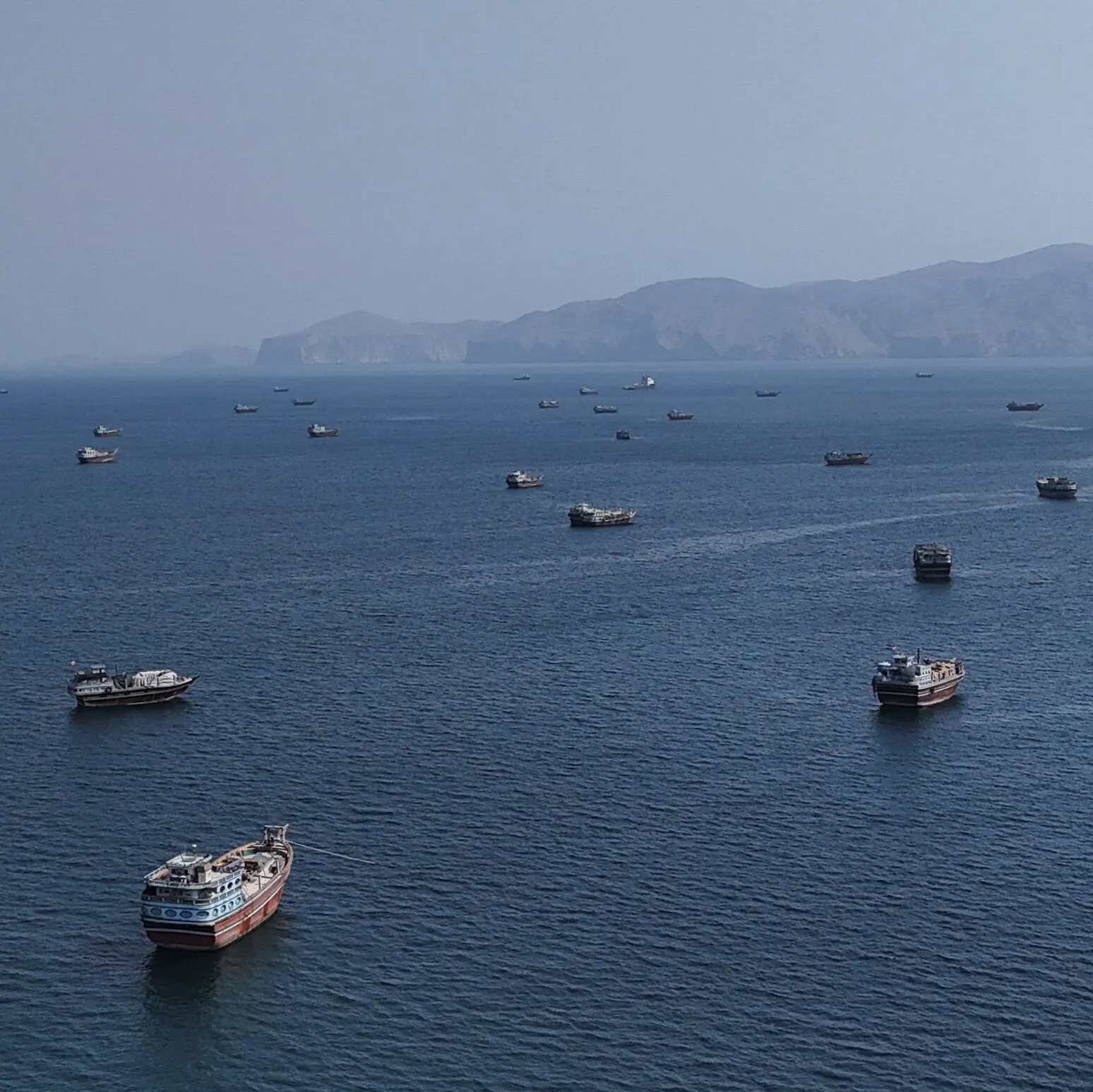
Middle Eastern oil flows reached 92% of their prewar level in the final week of September despite restrictions on shipping through the Strait of Hormuz, according to the BBC. Producers have redirected crude through overland pipelines and used shuttle tankers and transfers in the Gulf of Oman as the US-Israel war with Iran entered its seventh month.1
Traffic returns under military protection
The strait, between the Gulf and the Gulf of Oman, had been effectively closed by the war, the BBC reported. An average of 12 million barrels a day passed through it during the week to September 30, compared with 17 million before the conflict, although that estimate is recorded as disputed. The Japan Times separately reported on October 3 that oil flows were recovering despite continued Iranian attacks.12
US assistance to vessels consists mainly of air support, warnings and the interception of incoming threats. US Navy figures cited by the BBC indicated that the number of vessels assisted in September increased by a third from August. Ships nevertheless continued to be targeted while following the southern route recommended by the United States, the BBC reported on October 2.1
The BBC reported that Iranian strikes on commercial vessels succeeded more often in September than in any month since March. The report said the increase in traffic therefore did not represent an end to the threat facing vessels using the waterway.1
Pipelines and transfers reshape exports
The BBC reported that pipelines on land carried roughly 40% of the region's oil exports around the strait in September, compared with 17% before the conflict. Just under one-fifth of regional crude was leaving from Red Sea ports reached through Saudi Arabia’s East-West Pipeline, which was handling more than four million barrels a day.1
Saudi Arabia was running the East-West Pipeline at full stretch three weeks after an attack blamed on Iran-backed proxies in Iraq, the BBC reported. Almost one-quarter of regional crude was also being piped around the strait to Gulf of Oman terminals, particularly Fujairah in the United Arab Emirates.1
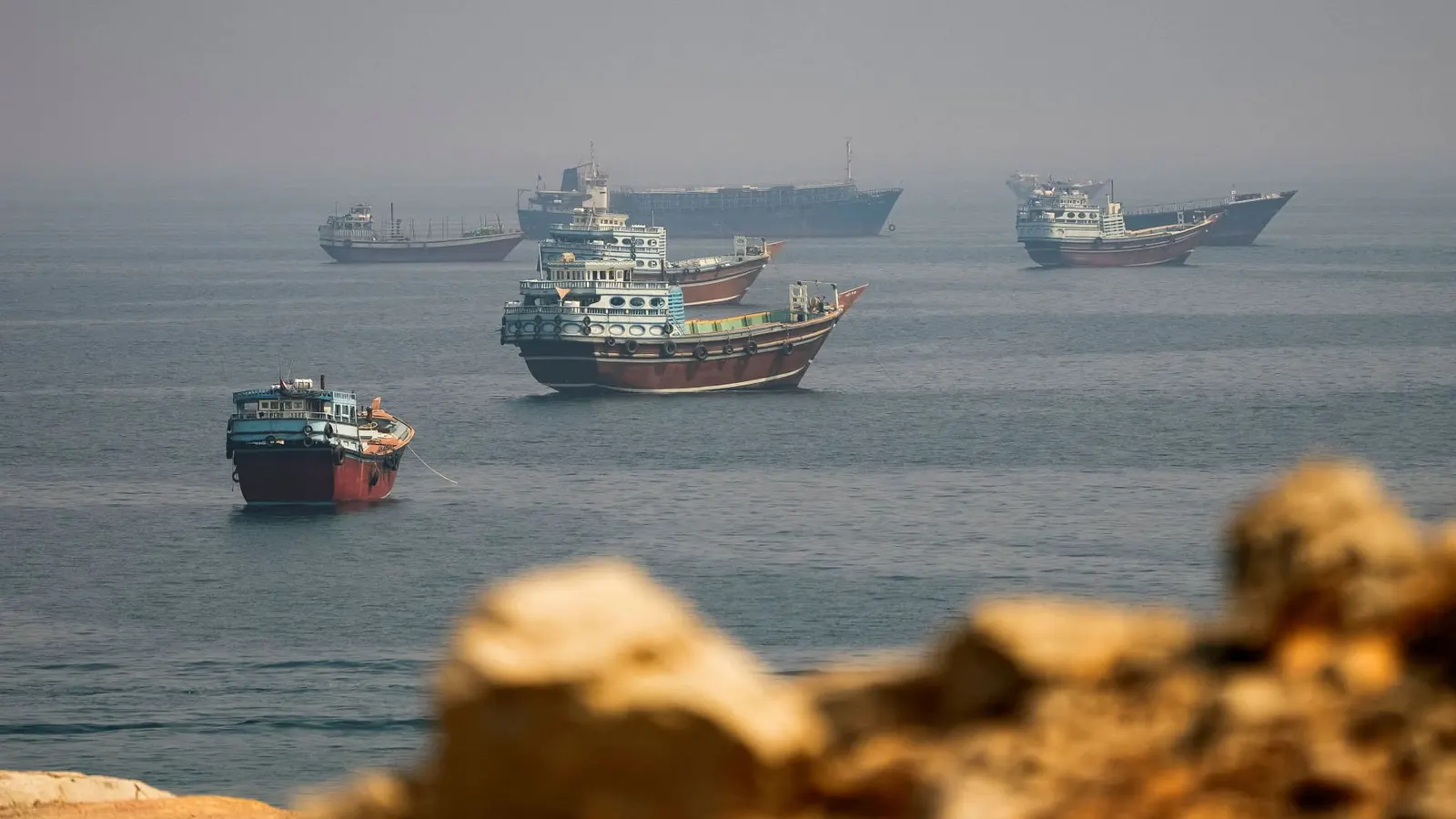
Ship-to-ship transfers provide another route around the restrictions. The BBC reported that more than 70% of the crude moving through Hormuz in August was carried by shuttle tankers and transferred to other vessels in the Gulf of Oman. In September, more than four million barrels a day were transferred on average, with activity observed near the Omani port city of Sohar.1
Iranian exports remain constrained
Iran has not shared in the broader recovery. According to the BBC, Iran's daily oil exports, which stood at 1.7 million barrels before the conflict, dropped to nearly nothing after Washington reinstated its naval blockade in July. The report said 20 empty Iran-flagged tankers were waiting off Sri Lanka because they could not return to the Gulf.1
The Japan Times described the blockade as choking off Iranian crude exports and reported that inflation in Iran was almost 90%. It said Iran’s leaders were under growing pressure seven months into the war and that diplomacy remained deadlocked.2
US presence expands
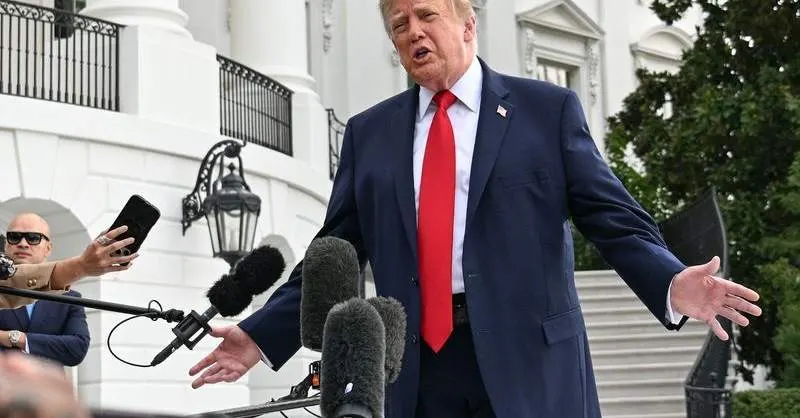
On October 3, The Japan Times reported that Donald Trump planned to deploy an additional aircraft carrier along with 10,000 sailors and Marines to the region. The deployment comes as US forces continue providing military assistance to commercial ships moving through Hormuz.12
The recovery is uneven across energy cargoes. Although crude flows have moved closer to their prewar volume, exports of liquefied natural gas and refined oil products remain well below the levels recorded before the conflict, according to the BBC. Naveen Das, a senior oil analyst at Kpler, described the changed operating pattern as a “new normal”.1
Why it matters
For European readers, the recovery shows that overall crude supply from the Middle East can approach prewar volumes even while its main maritime passage remains restricted. However, continued attacks, military protection requirements and weaker liquefied natural gas and oil-product exports show that the disruption has not ended.12
Related stories
consequence
Version history
- version 1 ·