World · United States of America, Islamic Republic of Iran
Vance says Iran must cut enrichment for war-ending deal
The US vice president said Washington is negotiating with Iranian officials but requires a meaningful reduction in enrichment capacity. Iran’s Foreign Ministry disputed the US account of uncertainty over Tehran’s decision-making.
Vance said US-Iran talks continue, but Washington requires Iran to cut enrichment capacity for a deal ending the war.
- Vance said talks include Iran’s president and foreign minister.
- US seeks action, not future enrichment assurances.
- Proposals reportedly address war’s end and Hormuz reopening.
- Iran disputed US criticism of Tehran’s decision-making.
- Trump reportedly rejected Iran’s latest offer.
What's new
- Vance said the proposals exchanged by Washington and Tehran address a settlement of the conflict and restoring access through the Strait of Hormuz.
- He said Iran must reduce enrichment capacity rather than offer future assurances.
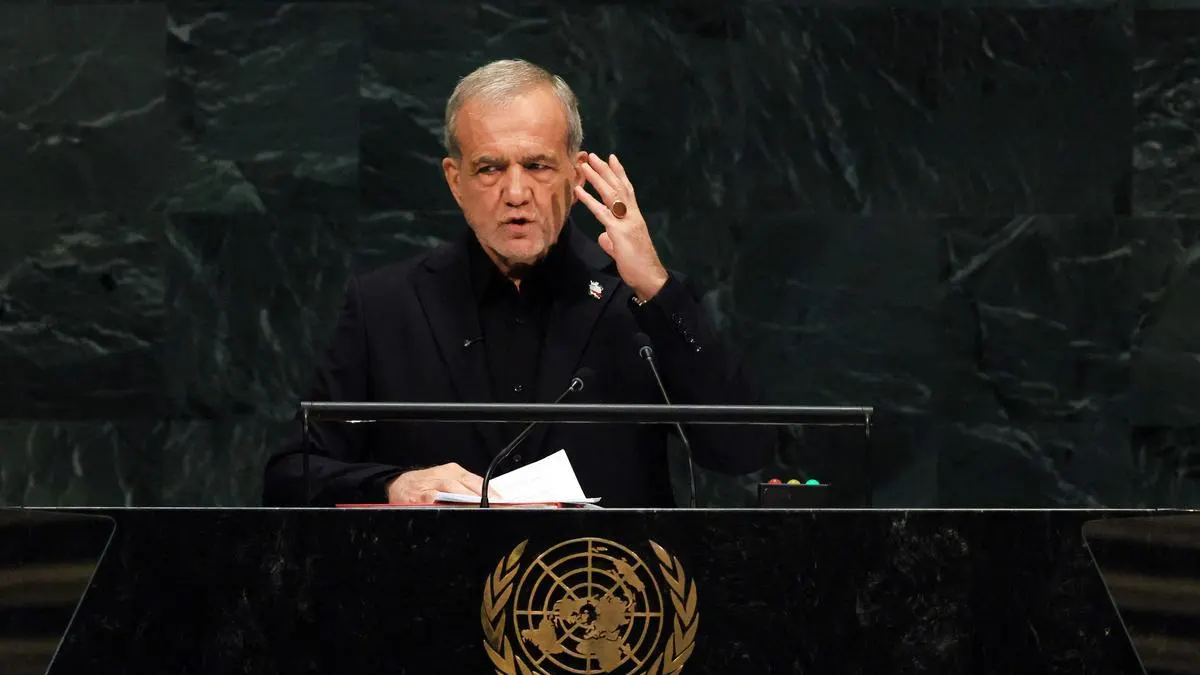
- Vance said Washington’s contacts in Tehran included Iran’s head of state, Masoud Pezeshkian, and its top diplomat, Abbas Araqchi.
- Iran’s Foreign Ministry said mixed US messaging, not Tehran’s system, was the problem.
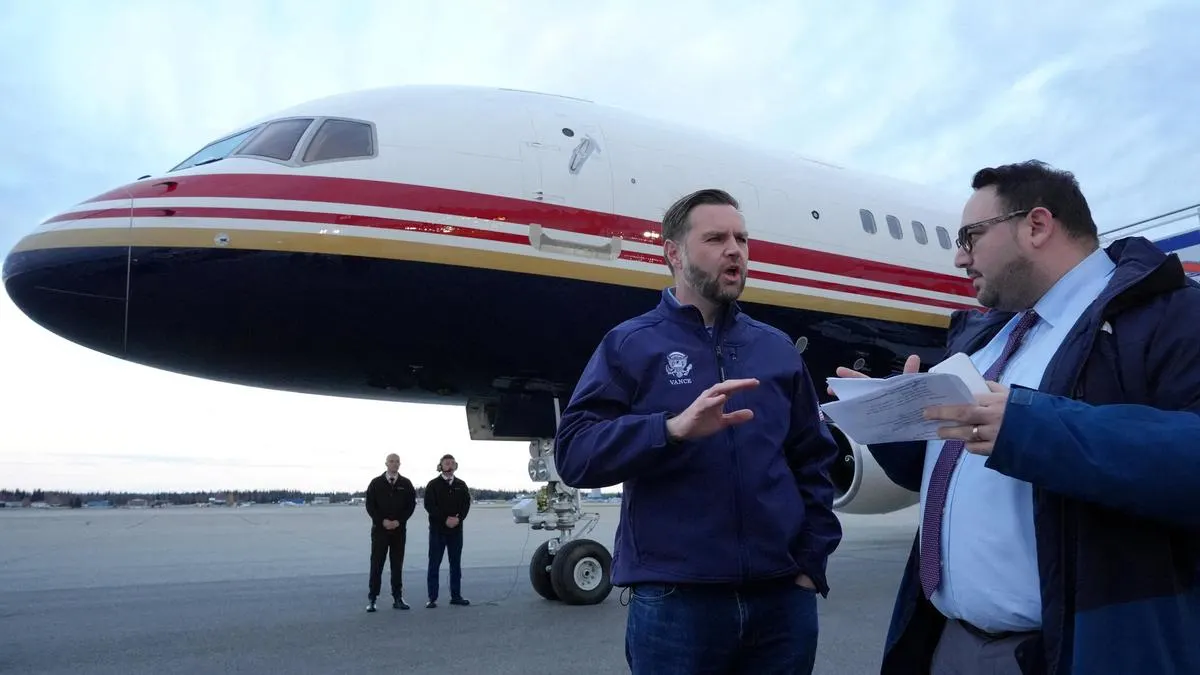
Speaking in Alaska on October 6, US Vice President JD Vance said a deal to stop the war would require Iran to substantially scale back its uranium-enrichment capability, as Washington remained in contact with Masoud Pezeshkian, Iran’s president, and Abbas Araqchi, its foreign minister. The interview followed a campaign rally for Republican Senator Dan Sullivan at Fairbanks International Airport.12
US conditions for an agreement
Vance said the United States and Iran had traded proposals aimed at ending the conflict and reopening the Strait of Hormuz. He said an earlier understanding had involved Iran opening the waterway, the lifting of a US blockade and discussion of Iran’s nuclear programme. Vance said President Donald Trump had turned down Iran’s most recent offer and cautioned that the military campaign might be stepped up following the midterm elections.1
The vice president said Washington would require steps rather than commitments about future policy. “We’re not going to trade words for actions,” Vance said. He said Iran had not made a long-term commitment on its enrichment capacity, and argued that a reduction would demonstrate that it did not intend to build a nuclear weapon.1
Vance said Iran had enriched uranium to 60 percent and questioned the need for that level for energy production. He described the US objective as preventing Iran from acquiring a nuclear weapon and limiting nuclear proliferation in the region. Those statements describe the US position and were not independently established in the material available.1
Dispute over authority in Tehran
Vance said the United States was speaking with Pezeshkian and Araqchi, but that it remained uncertain how much authority either held within Iran’s power structure. He said the US assessment was that Iranian political decision-making was not fully clear, with some people seeking a deal and others attempting to undermine one.12
Iranian Foreign Ministry officials responded that US officials knew their Iranian counterparts and understood the country’s decision-making system. Ministry spokesperson Esmaeil Baghaei said: “The problem is actually the opposite: it lies in the contradictory positions and mixed messaging from US officials.”1
Vance said Trump was directing the negotiations. He also said the United States was engaging Iran’s political leadership, including its foreign minister, while acknowledging uncertainty over who ultimately takes decisions in Tehran.1
Hormuz and the conflict’s economic effects
Vance said Iran had responded to the reported destruction of its nuclear programme with attacks on commercial shipping intended to pressure the United States. He said Iranian forces could periodically strike merchant vessels in the Strait of Hormuz, but were largely unable to halt energy exports through the waterway. These accounts were made by Vance and were not independently confirmed in the dossier.1
The vice president also said Iran had been attempting to strike US assets around the world, although no such attack had happened at the time of the interview. He said the war was costing the United States $3 billion a month. According to the report, the war has disrupted worldwide energy markets, and rising fuel costs have created political strain for Trump and Republican candidates in battleground states before the midterms.1
Vance said the Iranian nuclear programme and enrichment facilities had been destroyed and that Washington would seek an agreement preventing their reconstruction. He said the United States would intensify pressure if Iran tried to constrain the world economy, but these claims were not independently verified in the available reporting.1
Why it matters
The talks concern both the Strait of Hormuz and a conflict that has affected global energy markets, according to the report. For readers in Europe, the negotiations are relevant because the reported proposals combine the waterway’s reopening with efforts to end the war, while the outcome remains uncertain amid disagreement over authority in Tehran.12
Videos
Related stories
background
same actors
same actors
Version history
- version 1 ·